


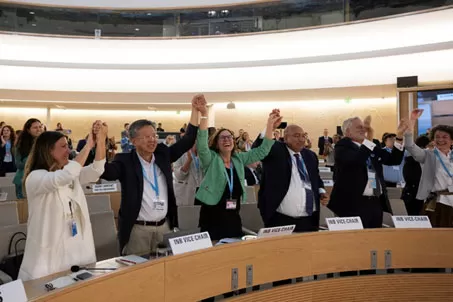
When the COVID-19 pandemic struck the world in 2020, it caught us all off guard. The rapid spread of the virus and its devastating impact on human lives and the global economy exposed the vulnerabilities of our healthcare systems and the need for better preparedness for future pandemics. In response to this wake-up call, the World Health Organization (WHO) held its World Health Assembly on 19 May, where member states adopted the first global pandemic treaty. This milestone in international health cooperation is a result of three years of difficult negotiations and serves as a promise to be better prepared for the next pandemic.
The pandemic treaty, officially known as the “International Health Regulations (IHR) Treaty,” aims to strengthen global health security and improve the world’s ability to prevent, detect, and respond to future pandemics. It is a legally binding agreement that requires countries to work together and share information and resources in times of health emergencies. This treaty is a significant step towards a more coordinated and effective global response to pandemics, and it is a testament to the power of international cooperation.
The negotiations for the pandemic treaty were not easy, with countries having different priorities and concerns. However, the urgency and severity of the COVID-19 pandemic brought all nations together to find common ground and work towards a shared goal. The treaty’s adoption is a clear indication of the commitment of member states to prioritize global health and work towards a safer and healthier world for all.
One of the key elements of the pandemic treaty is the establishment of a Global Health Threats Council, which will be responsible for monitoring and assessing potential health threats and providing guidance to member states on how to respond. This council will also facilitate the sharing of information and resources between countries, ensuring a more coordinated and efficient response to pandemics. Additionally, the treaty also calls for the strengthening of national and regional capacities for disease surveillance and response, as well as the development of a global system for the sharing of pathogens and data.
The pandemic treaty also recognizes the importance of equitable access to vaccines, treatments, and other medical supplies during a pandemic. It calls for the fair and timely distribution of these resources to all countries, regardless of their economic status. This is a crucial step towards addressing the inequalities that were highlighted during the COVID-19 pandemic, where wealthier nations had better access to vaccines and medical supplies, leaving developing countries at a disadvantage.
Moreover, the pandemic treaty also emphasizes the need for continued investment in research and development for new and emerging diseases. It calls for the establishment of a global research and development hub to facilitate the sharing of knowledge and resources and promote collaboration between scientists and researchers worldwide. This will not only help in the fight against future pandemics but also in addressing other global health challenges.
The adoption of the pandemic treaty is a significant achievement, but it is only the first step. The real test will be in its implementation and enforcement. Member states must now work together to ensure that the treaty’s provisions are put into action and that the necessary resources are allocated to strengthen global health security. This will require political will, financial investment, and a commitment to international cooperation.
In conclusion, the adoption of the pandemic treaty at the World Health Assembly is a historic moment for global health. It is a promise made by member states to be better prepared for the next pandemic and to work together towards a safer and healthier world. This treaty is a testament to the power of international cooperation and serves as a reminder that we are stronger when we work together. Let us hope that this treaty will be the foundation for a more resilient and prepared world when the next pandemic strikes.
