


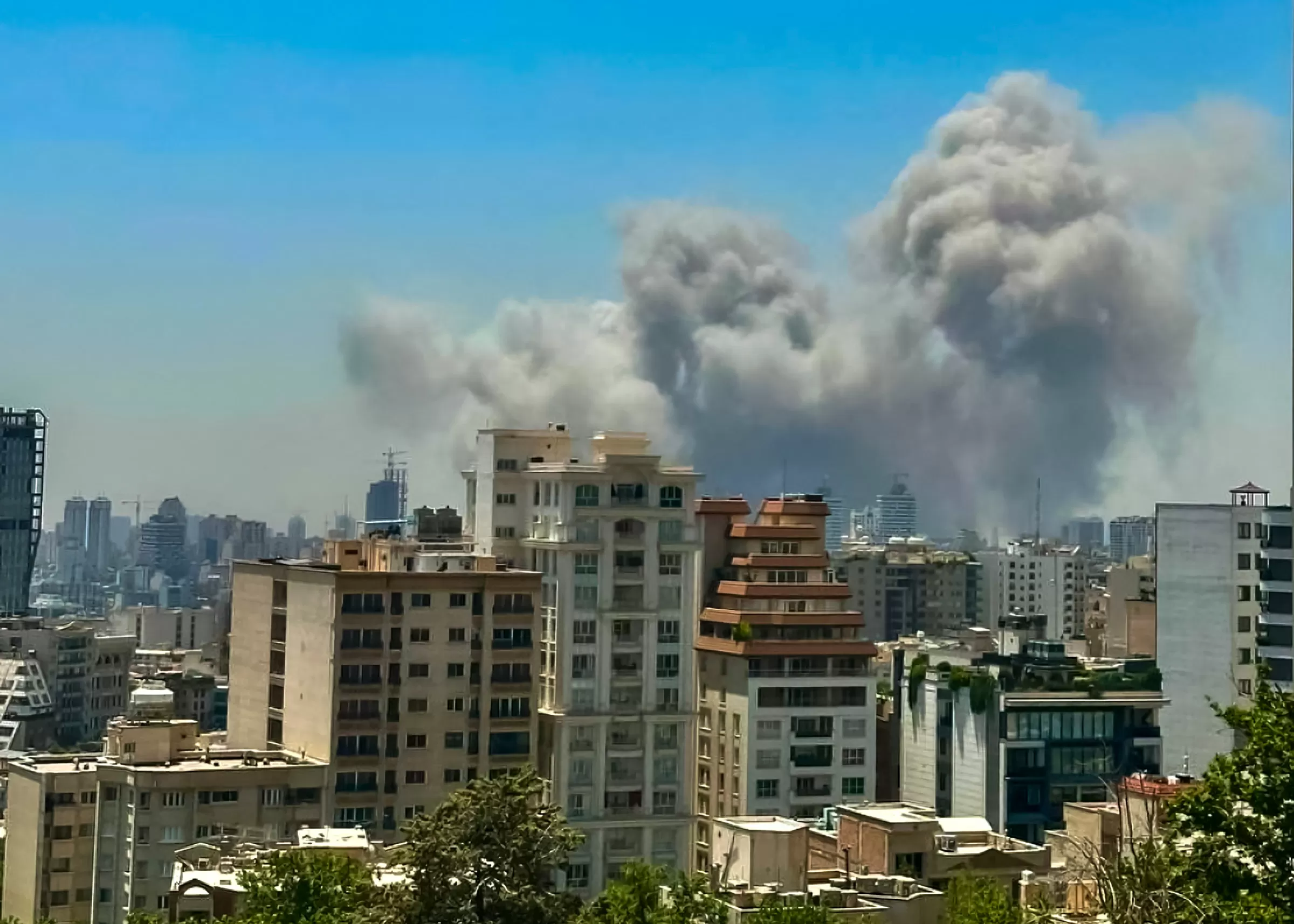
Israel’s recent airstrike has caused a stir in the international community, with many questioning the morality and justification behind such a move. However, one voice that stands out among the rest is that of Siamak Namazi, a man who knows firsthand the consequences of such actions. As a political prisoner for eight long years, Namazi has a unique perspective on the situation, and his words carry a weight that cannot be ignored.
In his recent article, Namazi highlights the devastating impact of Israel’s airstrike, not just on the intended targets but also on innocent civilians and political prisoners. He writes, “The airstrike did not distinguish between evil magistrates and political prisoners.” This statement is a powerful reminder that in times of conflict, it is often the innocent who suffer the most.
Namazi’s words are a poignant reminder of the human cost of war. As the world watches from the sidelines, it is easy to forget that behind the headlines and statistics, there are real people whose lives are being torn apart. The airstrike may have been aimed at specific targets, but its effects have been far-reaching, causing destruction and chaos in its wake.
As someone who has experienced the horrors of being a political prisoner, Namazi understands the pain and suffering that comes with being caught in the crossfire of political conflicts. He knows what it feels like to be stripped of your freedom, to be separated from your loved ones, and to live in constant fear for your life. His words serve as a powerful reminder that no one should have to endure such atrocities, regardless of their political beliefs.
Namazi’s article also sheds light on the larger issue at hand – the ongoing conflict between Israel and Palestine. He writes, “The airstrike has only added fuel to the fire, further escalating tensions and deepening the divide between the two sides.” This conflict has been ongoing for decades, and it is clear that there can be no winners in this situation. Innocent lives are being lost, families are being torn apart, and the cycle of violence seems never-ending.
In the midst of all this chaos, Namazi’s words offer a glimmer of hope. He urges both sides to put aside their differences and work towards finding a peaceful resolution. He writes, “It is time for both sides to come to the table and engage in meaningful dialogue, to listen to each other’s grievances and work towards a solution that benefits all.” His words serve as a reminder that peace can only be achieved through understanding and compromise, not through violence and aggression.
Namazi’s article is a powerful call to action, not just for Israel and Palestine but for the entire international community. It is a reminder that we must all take responsibility for our actions and strive towards creating a world where conflicts can be resolved through peaceful means. As Namazi himself says, “We must learn from our mistakes and work towards a better future for all.”
In conclusion, Siamak Namazi’s article serves as a wake-up call for all of us. It is a reminder that in times of conflict, we must not lose sight of our humanity and the impact our actions have on others. His words are a powerful reminder that we must strive towards peace and understanding, not just for ourselves but for the sake of future generations. Let us all heed his call and work towards a world where no one has to suffer the consequences of war.
