

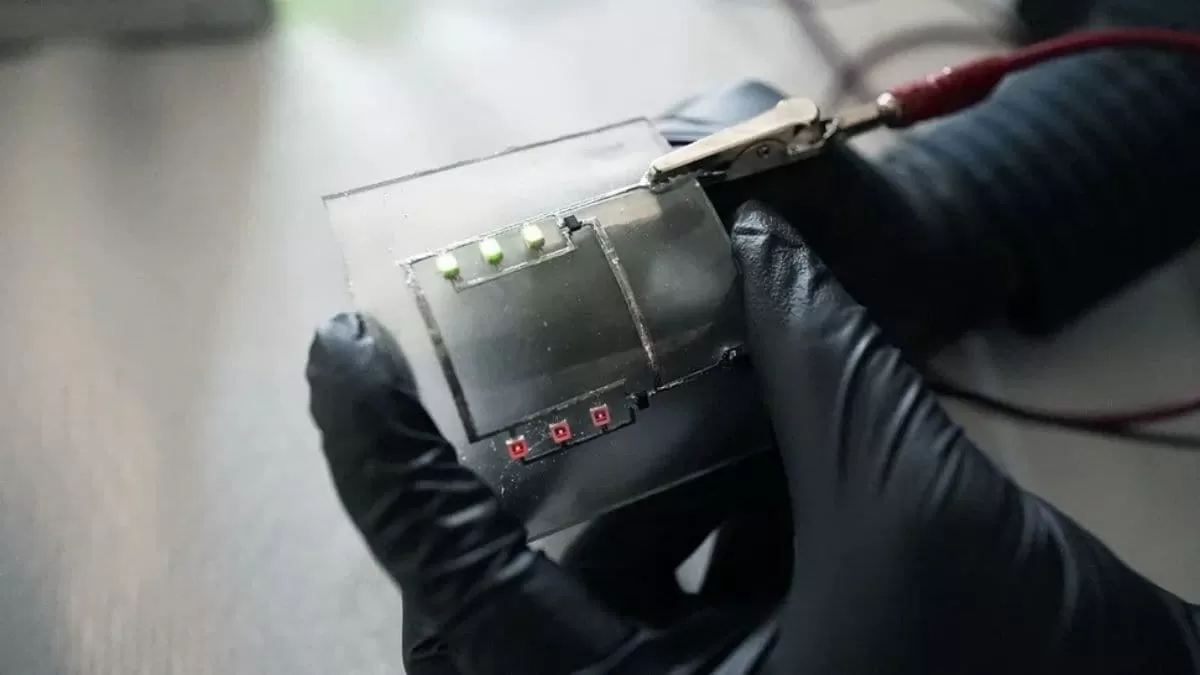
Scientists have made a groundbreaking discovery in the world of electronics – a self-healing, recyclable circuit board. This new material, made from a combination of vitrimer and liquid metal, has the potential to revolutionize the way we think about and use electronic devices. Not only does it maintain conductivity after damage, but it also reshapes under heat and has the potential to reduce the growing problem of e-waste. This innovative solution offers a sustainable and eco-friendly alternative for electronics such as smartphones, laptops, and wearables.
The traditional circuit boards used in electronic devices are made from non-renewable materials and are not designed to be easily repaired or recycled. This has led to a significant increase in electronic waste, with millions of tons of discarded devices ending up in landfills every year. This not only poses a threat to the environment but also results in the loss of valuable resources.
However, with the development of this new self-healing, recyclable circuit board, scientists have found a way to address these issues. The material is made from a combination of vitrimer, a type of polymer that can be reshaped and repaired, and liquid metal, which is known for its high conductivity. This unique combination allows the circuit board to maintain its functionality even after being damaged.
One of the most impressive features of this new material is its ability to self-heal. When the circuit board is damaged, the vitrimer acts as a healing agent, repairing any cracks or breaks in the material. This means that even if the device is dropped or experiences wear and tear, the circuit board will continue to function without any loss of conductivity. This not only extends the lifespan of electronic devices but also reduces the need for constant replacements.
Moreover, the material is also recyclable, making it a sustainable solution for electronic waste. Unlike traditional circuit boards, which are difficult to recycle due to their complex composition, this new material can be easily broken down and reused. This not only reduces the amount of electronic waste but also conserves valuable resources.
Another advantage of this new material is its ability to reshape under heat. This means that if the circuit board is damaged, it can be heated and reshaped back to its original form, restoring its functionality. This eliminates the need for expensive repairs or replacements, making it a cost-effective solution for electronic devices.
The potential applications of this self-healing, recyclable circuit board are vast. It can be used in a wide range of electronic devices, from smartphones and laptops to wearables and medical devices. This material has the potential to make our devices more durable, sustainable, and cost-effective.
In addition to its practical benefits, this new material also offers a more user-friendly experience. Traditional circuit boards are often difficult to repair, requiring specialized equipment and expertise. However, with this new material, repairs can be easily done by heating and reshaping the damaged area. This not only makes it easier for consumers to repair their devices but also reduces the need for professional repairs, saving time and money.
The development of this self-healing, recyclable circuit board is a significant step towards a more sustainable future. It offers a solution to the growing problem of electronic waste and provides a more eco-friendly alternative to traditional circuit boards. With the increasing demand for electronic devices, it is crucial to find ways to reduce their environmental impact, and this new material offers a promising solution.
In conclusion, the self-healing, recyclable circuit board made from vitrimer and liquid metal is a game-changer in the world of electronics. Its ability to maintain conductivity after damage, reshape under heat, and be easily repaired and recycled makes it a sustainable and eco-friendly alternative to traditional circuit boards. This material has the potential to reduce electronic waste and conserve valuable resources, making it a step towards a greener and more sustainable future.
