


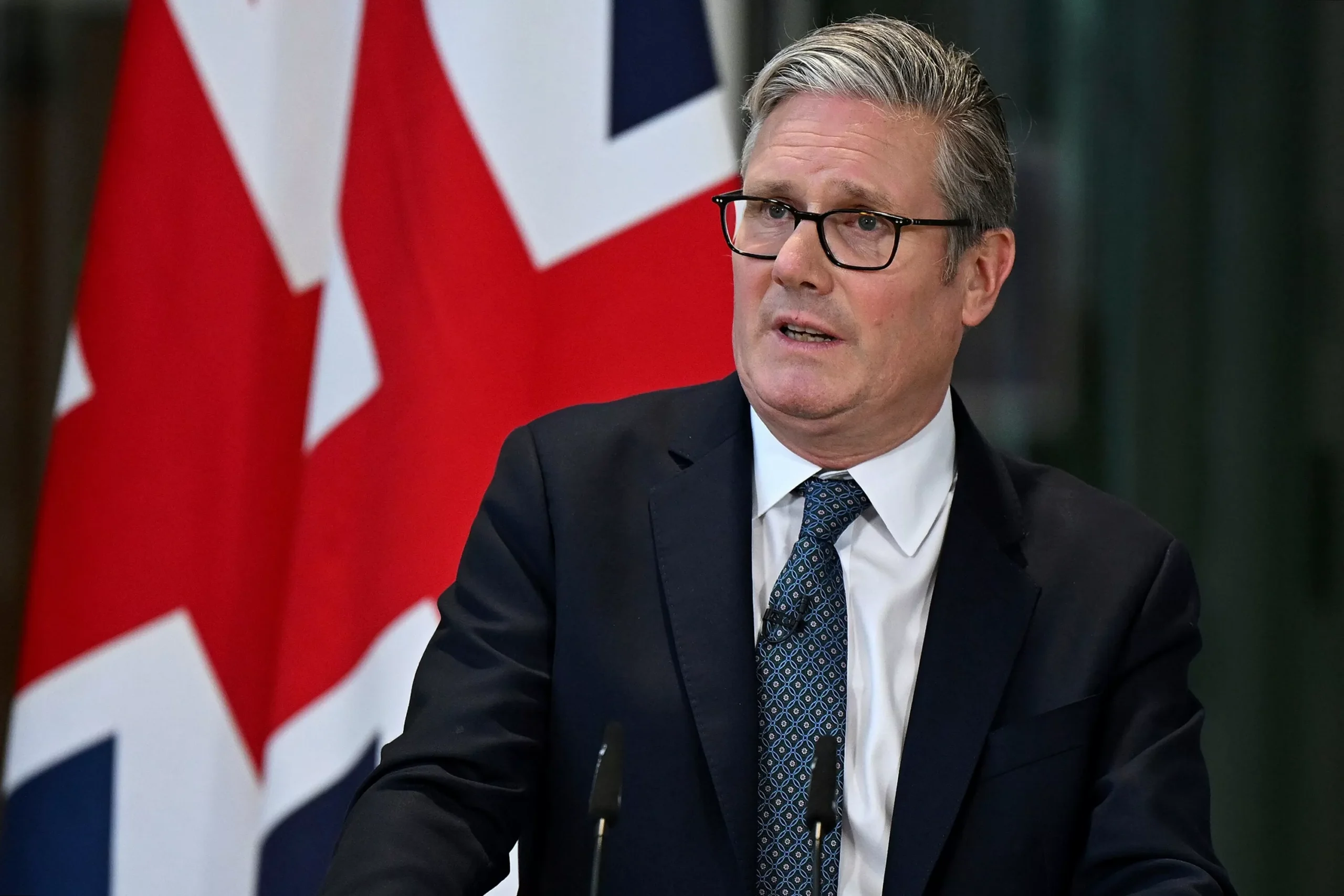
The past few months have been challenging for Keir Starmer’s Labour party, as they find themselves caught in a political squeeze from all sides. The latest YouGov poll shows that Reform UK, a right-wing party, has stretched its lead over Labour by six points, with 28% of support compared to Labour’s 22%. This is a disappointing result for Starmer, but it’s not just the rise of Reform UK that should concern him – it’s where the loss of support from previous Labour voters is going.
The polling data shows that both the Liberal Democrats and the Green party have seen a one point increase in support, putting them at 16% and 12% respectively. This backs up the theory that Labour is at risk of losing more support to left-wing parties than to Reform UK and the Conservatives. According to a report by the More in Common think-tank, Labour has already lost 7% of its 2024 general election vote to the Lib Dems and 5% to the Greens. This combined loss is greater than the 11% of Labour voters who have shifted to Reform UK.
Furthermore, a study by Thinks Insight & Strategy found that over half of 2024 Labour voters (52%) would consider voting for the Lib Dems or Greens in the next election, while only 25% said they would vote for Reform UK. These results highlight the tightrope that Labour is currently walking – with a slim majority and a coalition that is growing increasingly fragile.
The various findings also call into question the political strategy that Starmer and his chief of staff Morgan McSweeney have been pursuing, which is to target former Labour voters who have switched to Reform UK. This approach has seen the government take a hardline stance on immigration – a topic that has long been a contentious issue in British politics. Prime Minister Boris Johnson’s recent speech, in which he warned of Britain becoming “an island of strangers”, has been criticized for echoing Enoch Powell’s infamous “rivers of blood” speech from 1968. Starmer has since stated that he “deeply regrets” the remarks.
However, this tough stance on immigration has the potential to alienate left-wing and liberal voters, who may have voted for Labour in the last election to get rid of the Tories but are now disillusioned with the party’s shift to the right. The More in Common report found that the 11% of former Labour voters who have switched to Reform UK cite the government’s failure to control immigration as the main reason for their switch. On the other hand, the 12% who have moved to the Lib Dems or Greens point to Labour’s failure to reduce the cost of living and their perception that the party has become too right-wing. The report also highlights policies such as changes to the benefits system and winter fuel allowance as key factors in pushing progressive voters away from Labour.
Carla Denyer, co-leader of the Green party, stated that their consistently principled approach on issues such as disability benefits, the climate crisis, and the ongoing conflict in Gaza is a major reason why people are turning to the Greens instead of Labour. This highlights the need for Labour to take a stronger stance on progressive issues and distinguish themselves clearly from the Conservatives.
In a potentially damaging move, former Labour leader Jeremy Corbyn has announced his plans to form a new party. Polling by More in Common suggests that this could cost Labour 10% of the vote. This is a major concern for the PM, who is banking on the fact that in a choice between Starmer and Nigel Farage (leader of Reform UK) for prime minister, progressive voters will put aside their reservations and vote Labour. However, the latest polling data suggests that this is a risky gamble that could backfire in the next election.
As Labour continues to struggle in the polls, it’s clear that they need to reassess their strategy and appeal to a wider range of voters. With the rise of left-wing parties such as the Greens and the potential impact of a new party led by Corbyn, Labour cannot afford to neglect their progressive values and alienate their base. It’s time for Starmer to take a strong stance on issues that matter to progressives, such as tackling inequality and protecting the most vulnerable in society.
In the face of these challenges, Starmer needs to find a way to bring back the voters who have lost faith in Labour and win over those who may be considering other left-wing parties. He must also navigate
