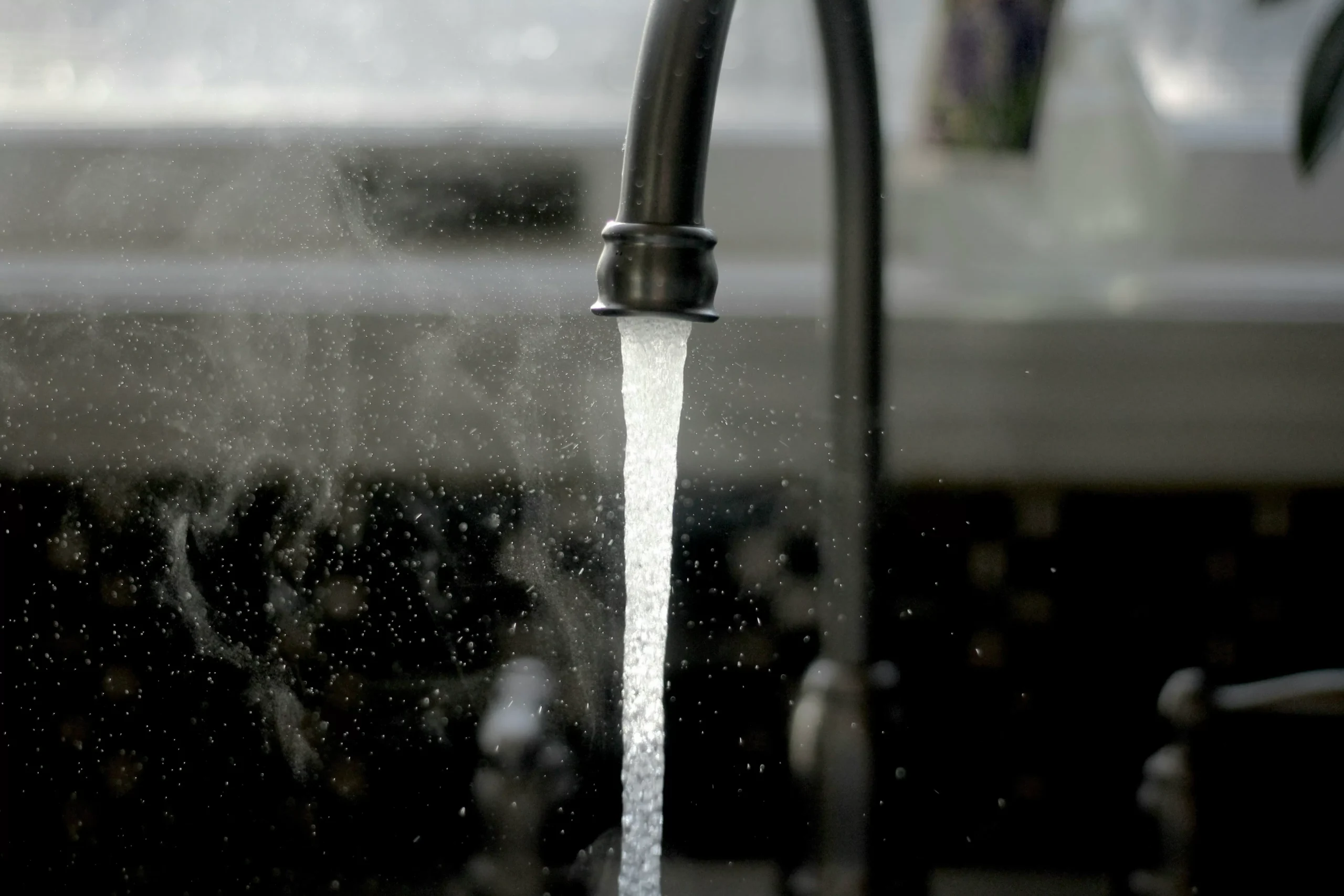
Tap water is something that we often take for granted in our daily lives. We use it to cook, to clean, and to stay hydrated. But recent developments have brought the safety and quality of our tap water into question. With the UK government making changes to address the growing sewage scandal and food safety experts warning about potential risks in our tap water, it’s time we pay more attention to the water we use in our own homes – especially after traveling.
In a recent announcement, Environment Secretary Steve Reed revealed plans to tackle the increasing number of sewage leaks in the UK. This comes after a shocking 60% surge in sewage leaks last year. It’s a necessary step in addressing a pressing issue that affects not only the environment but also our health and well-being.
But it’s not just about sewage leaks. Food safety expert Mark McShane from Food Hygiene Certificate has also urged people to pay attention to the tap water in their own homes, especially after traveling. While most tap water in the UK is still safe, McShane reminds us that this doesn’t mean we should let our guard down. With regulations often lagging behind new contaminants, it’s important to be aware of the potential risks that can go unnoticed without proper testing or awareness.
One of the silent risks that McShane highlights is the build-up of bacteria like Legionella and E. coli when we don’t run water through our taps for an extended period of time. This is more likely to happen in guest bathrooms and other rarely-used faucets. Even new builds are not exempt from this risk.
Legionnaires’ disease, a severe lung infection, is caused by Legionella bacteria and may require hospitalization and antibiotic treatment. On the other hand, E. coli can lead to diarrhoea and vomiting, which can be particularly dangerous for children and older adults. To prevent the build-up of these harmful bacteria, McShane advises running the tap for at least two minutes before using it for food or drink if it hasn’t been used in a week.
This is also important to keep in mind for showers, as pointed out by PA Housing on their website. It’s always a good idea to flush out any built-up bacteria and sediment before using the water for personal hygiene.
So how can we tell if something is wrong with our tap water? McShane suggests paying attention to the taste and smell of our water. A sweet, musty, or chemical taste can be an indicator of corroding pipes, while low water pressure that comes and goes may be caused by leaks or air bubbles. If your water appears “milky” when you first turn on the tap, it could be a sign of a burst main.
If you notice any strange tastes or smells in your tap water or if your water pressure is low and interrupted, it’s important to contact your water supply company. According to Citizens’ Advice, they must respond within 10 working days. Taking action and reporting any concerns about our tap water is crucial in ensuring its safety and quality.
But ultimately, it’s the responsibility of the water supply companies to ensure that our tap water is safe and free from any harmful contaminants. With the rise of new chemicals and pollutants, it’s important for these companies to stay up-to-date with regulations and to regularly test and monitor the quality of our tap water.
In light of recent developments and warnings, it’s time for us to pay more attention to our tap water. As consumers, we have the right to clean and safe water, and we must hold our water supply companies accountable for providing it. So let’s stay informed, report any issues, and take necessary precautions when using tap water, especially after traveling. Let’s not take our tap water for granted and work together to ensure its safety and quality for everyone.
