


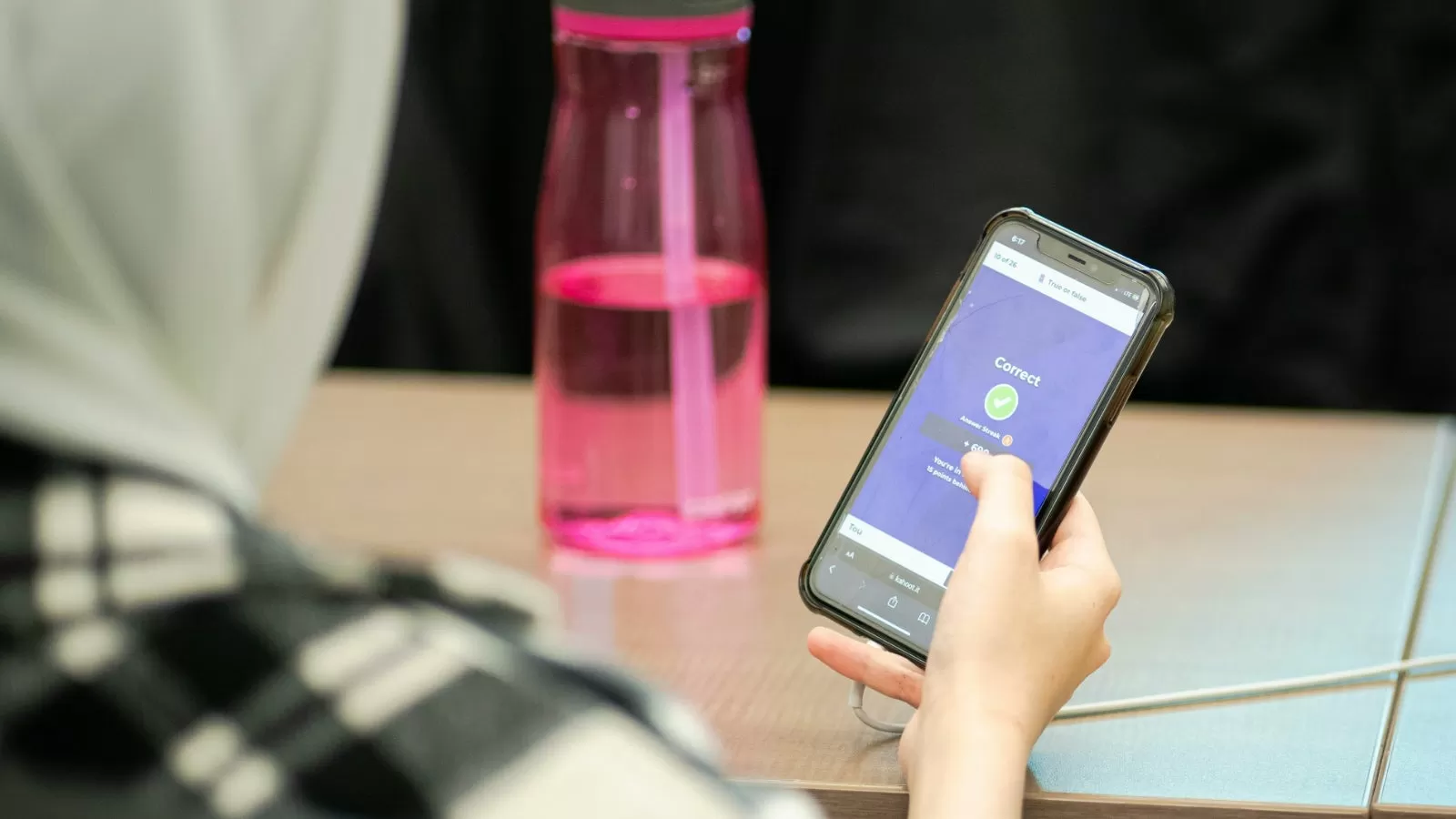
The news is enough to make one’s blood boil. The mere thought of it sends shivers down the spine. Eyes bulge with disbelief and anger as the phone trembles in hand. The Independent reports that Gen Z students are being taught to use phones in schools. The target reader, I assume, would be outraged and exclaim over their breakfast, “What? Are these youths – these Gen Z reprobates – really being coached to use phones in school?!”
The headline screams, “Get a grip!”, implying that the teenagers need to be reined in. The writer despairs, “What hope have they got in the real world?” But let me tell you, dear reader, it is a relief to know that the reports of schools implementing phone call lessons are vague, and the idea is actually quite sensible.
According to statistics, 63% of people in the UK experience “phone fear,” but only 29% of them are under the age of 25. And not all of that 29% suffer from “telephobia” – a fear of phone calls. However, it is true that younger people do bear a higher proportion of that anxiety. So, wouldn’t it make sense to have basic phone skills sessions in place for them?
In an interview with The Times, Jo Saxton, the chief executive of UCAS, explained that calls to their helpline have decreased by a third since 2019. She added, “That is how difficult teenagers these days can find making a phone call.” So, it seems quite practical to have mock phone interviews to help them overcome their fear.
In the same article, James Johnstone, the headteacher at Bacup & Rawtenstall Grammar School, shared that their school’s phone call course also teaches students how to handle university interviews, manage student loans, advocate for their rights as tenants, and cook healthy meals. And in that light, the program seems like what the same writer eventually concedes it is – a sensible way to manage a growing trend and prepare students for the “real world.”
So, why not make a potentially stressful time a little easier for these young people? After all, this is training to secure post-A-Level courses. Let’s admit that most of us could use a refresher on how to talk to one another better. And if these schools, whose number is still undefined, want to continue holding phone call workshops, then good for them. We should applaud their efforts, wherever they may be.
Related… Do School Phone Bans Work? A New Study Shares Unexpected Results
The idea of teaching students how to use phones may seem trivial, but it has its merits. In today’s digital age, where communication is mostly done through texts and emails, phone calls are slowly becoming a lost art. But the reality is, phone calls are still an essential part of our lives. Whether it’s for job interviews, making appointments, or simply checking in on a loved one, the ability to make a phone call confidently and effectively is a valuable skill.
Moreover, phone call lessons can also help students with their future career prospects. Many jobs require employees to make phone calls, and having this skill can give students an edge over their peers. It can also help them become more independent and confident individuals, both in their personal and professional lives.
Some may argue that teaching basic phone skills is not the responsibility of schools. But in today’s fast-paced world, where technology is constantly evolving, it’s essential to adapt and equip the younger generation with the necessary skills to navigate the real world successfully. And if schools can also teach students how to manage their finances and cook healthy meals, then why not add basic phone skills to the curriculum?
As someone who has gone through the stressful process of clearing after receiving better A-level results than expected, I can attest to the importance of phone call skills. During that time, I had to make numerous phone calls to universities and UCAS to secure a place. And I must admit, I was grateful for the phone call workshops I had attended in school. They gave me the confidence and skills to handle those nerve-wracking phone calls.
In conclusion, let’s not dismiss the idea of teaching basic phone skills to students. Instead, let’s embrace it and acknowledge its benefits. It may seem like a small step, but it can make a significant difference in the lives of young people. And who knows, maybe one day, they will thank their schools
