


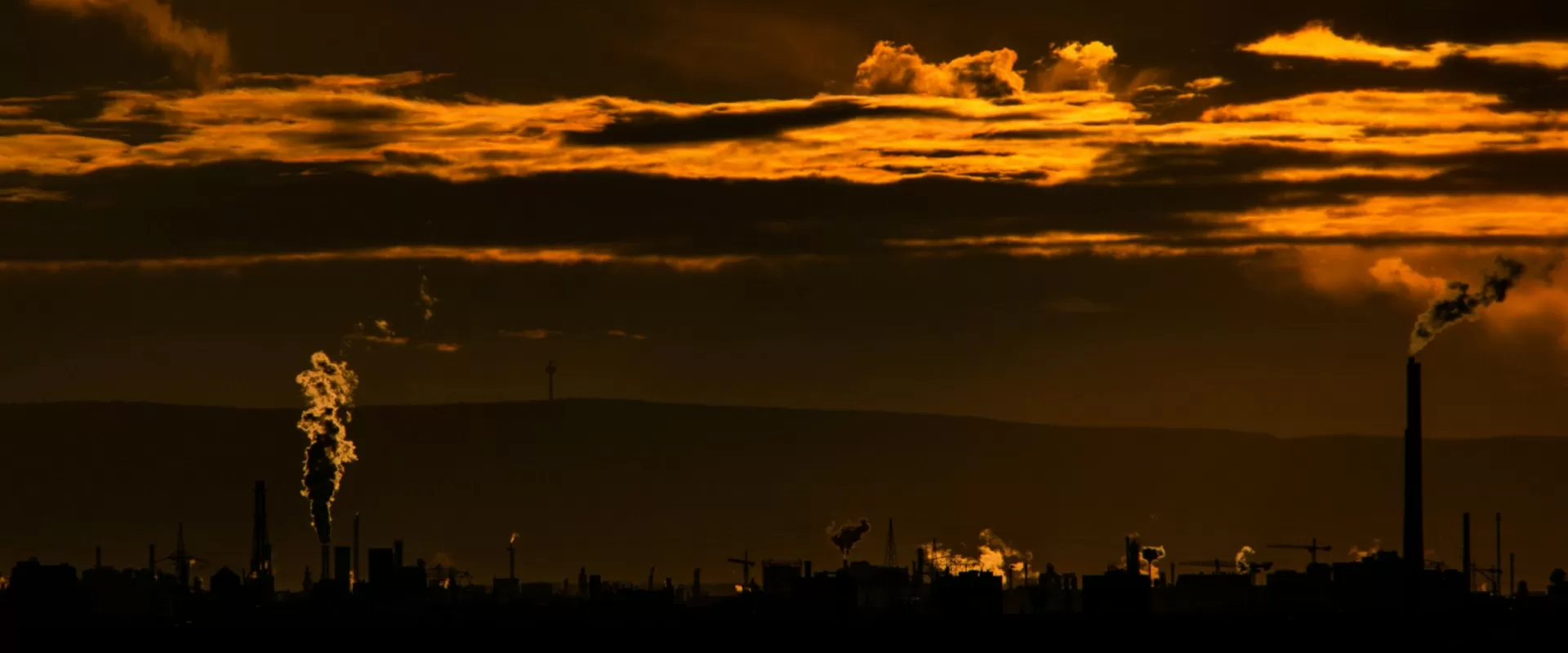
After years of studying the minds of criminals, I have recently shifted my focus to a new type of crime – crimes against our planet. As a criminal psychologist, I have always been fascinated by the complex and often twisted thought processes of those who commit heinous acts against others. But as I delve deeper into the world of environmental crime, I am struck by the alarming rise in offenses against our planet and the urgent need for a new breed of criminal psychologists to tackle this issue.
The term “environmental crime” may evoke images of poaching, illegal logging, and toxic waste dumping. And while these are certainly serious offenses, the scope of environmental crime goes far beyond these activities. It includes everything from air and water pollution to deforestation and climate change denial. And the perpetrators of these crimes are not just individuals, but also corporations and governments.
So why has it taken so long for us to recognize and address these crimes against our planet? The answer lies in our understanding of criminal behavior. Traditionally, criminal psychology has focused on the individual offender and their motivations. But when it comes to environmental crime, the offenders are often faceless entities with no clear motive or intent. This makes it challenging for traditional criminal psychologists to apply their methods and theories.
But as the severity and frequency of environmental crimes continue to escalate, it is clear that we need a new approach. This is where the world of criminal psychology must expand to include crimes against our planet. We need a new breed of criminal psychologists who can understand the complex dynamics of environmental crime and develop effective strategies to prevent and address it.
One of the key challenges in addressing environmental crime is the lack of awareness and understanding among the general public. Unlike traditional crimes, environmental crimes are not always visible or immediately tangible. They often occur over a long period of time and their impact can be felt in different parts of the world. This makes it difficult for people to connect the dots and understand the gravity of the situation.
This is where criminal psychologists can play a crucial role. By using their expertise in understanding human behavior, they can help bridge the gap between the abstract concept of environmental crime and its real-world impact. They can work with communities, organizations, and policymakers to raise awareness and educate people about the consequences of their actions on the environment.
Another important aspect of environmental crime is the role of corporate and government entities. These entities have immense power and resources, making it difficult to hold them accountable for their actions. But with the help of criminal psychologists, we can develop strategies to address this issue. By understanding the motivations and thought processes of these entities, we can devise effective interventions and regulations to prevent environmental crimes.
Furthermore, criminal psychologists can also play a crucial role in rehabilitating offenders of environmental crimes. While traditional criminals may have clear motives and can be held accountable for their actions, the same cannot be said for those who commit crimes against the environment. By working with these offenders and understanding their underlying motivations, we can develop interventions that not only prevent future offenses but also promote a more sustainable and responsible mindset.
In recent years, there has been a growing recognition of the need for criminal psychologists to address environmental crime. Organizations such as the Environmental Psychology Society and the International Criminal Police Organization (INTERPOL) have started to focus on this issue and collaborate with criminal psychologists to develop effective solutions. This is a positive step towards creating a more sustainable and just world.
In conclusion, as a criminal psychologist, I have witnessed the devastating impact of crimes against our planet. But I am also hopeful that by expanding the scope of criminal psychology to include environmental crime, we can make a positive impact and create a more sustainable future. It is time for us to shift our attention and use our expertise to address this urgent issue. Let us work together to protect our planet and ensure a better future for generations to come.
