


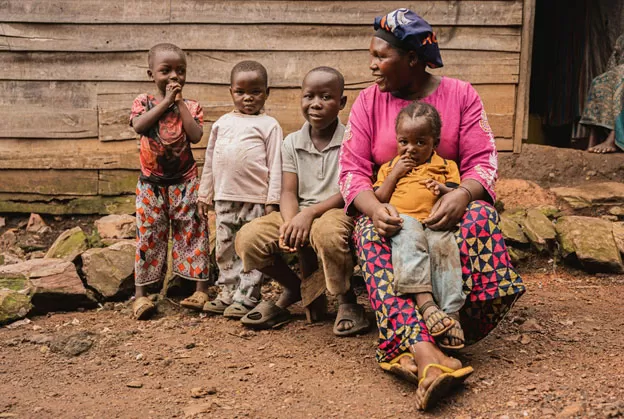
In 2025, the world is facing a crisis like never before. Unprecedented cuts to foreign aid and humanitarian funding have left millions of people across the globe without access to food or basic services. The consequences of these funding shortfalls are dire, with aid agencies forced to scale back or suspend lifesaving programs in some of the most vulnerable and food-insecure regions of the world. This is a situation that demands immediate attention and action from world leaders and individuals alike.
The Global South, which includes countries in Africa, Asia, and Latin America, is bearing the brunt of these devastating cuts. For years, these regions have been grappling with poverty, conflict, natural disasters, and other challenges that have left their populations vulnerable and in need of assistance. Foreign aid and humanitarian funding have been a lifeline for these communities, providing crucial support for food security, healthcare, education, and other basic services. However, with the recent cuts, the already fragile systems in these regions have been pushed to the brink.
The consequences of these funding cuts are far-reaching and devastating. In countries like Yemen, South Sudan, and Syria, where conflict has already caused immense suffering, the cuts have only exacerbated the humanitarian crises. Millions are at risk of starvation and disease, as aid agencies struggle to provide essential aid and services. In other regions, such as the Sahel in Africa, the threat of famine looms large as funding cuts have resulted in reduced food assistance and nutrition programs. Children, who are the most vulnerable in these situations, are suffering the most, with many at risk of malnutrition and even death.
But it’s not just about the immediate consequences of these funding cuts. The long-term effects are equally concerning. Without access to food and basic services, entire communities are pushed into a cycle of poverty and desperation. Children are unable to attend school, families cannot work and provide for themselves, and the most vulnerable, such as women and the elderly, are left without any support. This not only impacts their present but also their future, as the lack of investment in these regions will lead to a generation of people with limited access to education, healthcare, and economic opportunities.
The situation is dire, but it’s not too late to make a change. We need to come together as a global community to address this crisis. First and foremost, world leaders must prioritize funding for foreign aid and humanitarian assistance. It’s time for them to fulfill their commitments to invest in the well-being of people in need. Governments must also work towards long-term solutions to address the root causes of poverty, conflict, and natural disasters in these regions. This will require cooperation and collaboration, but it is vital for the future of our planet.
At the same time, individuals can also play a crucial role in making a positive impact. We can use our voices to raise awareness and advocate for change. We can donate to reputable aid agencies and organizations working on the ground to provide assistance to those in need. Every contribution, no matter how small, can make a difference in the lives of the most vulnerable.
We must also remember that the consequences of these funding cuts go beyond just the affected regions. In an interconnected world, a crisis in one part of the world can have ripple effects in other areas. We cannot turn a blind eye to the suffering of our fellow human beings.
In 2025, we are facing one of the biggest humanitarian crises of our time. But we must not lose hope. We have the power to make a difference and bring about positive change. Let us join hands and work towards a future where no one goes hungry, and everyone has access to the basic necessities of life. We owe it to ourselves and to future generations to make this world a better and more equitable place for all.
