


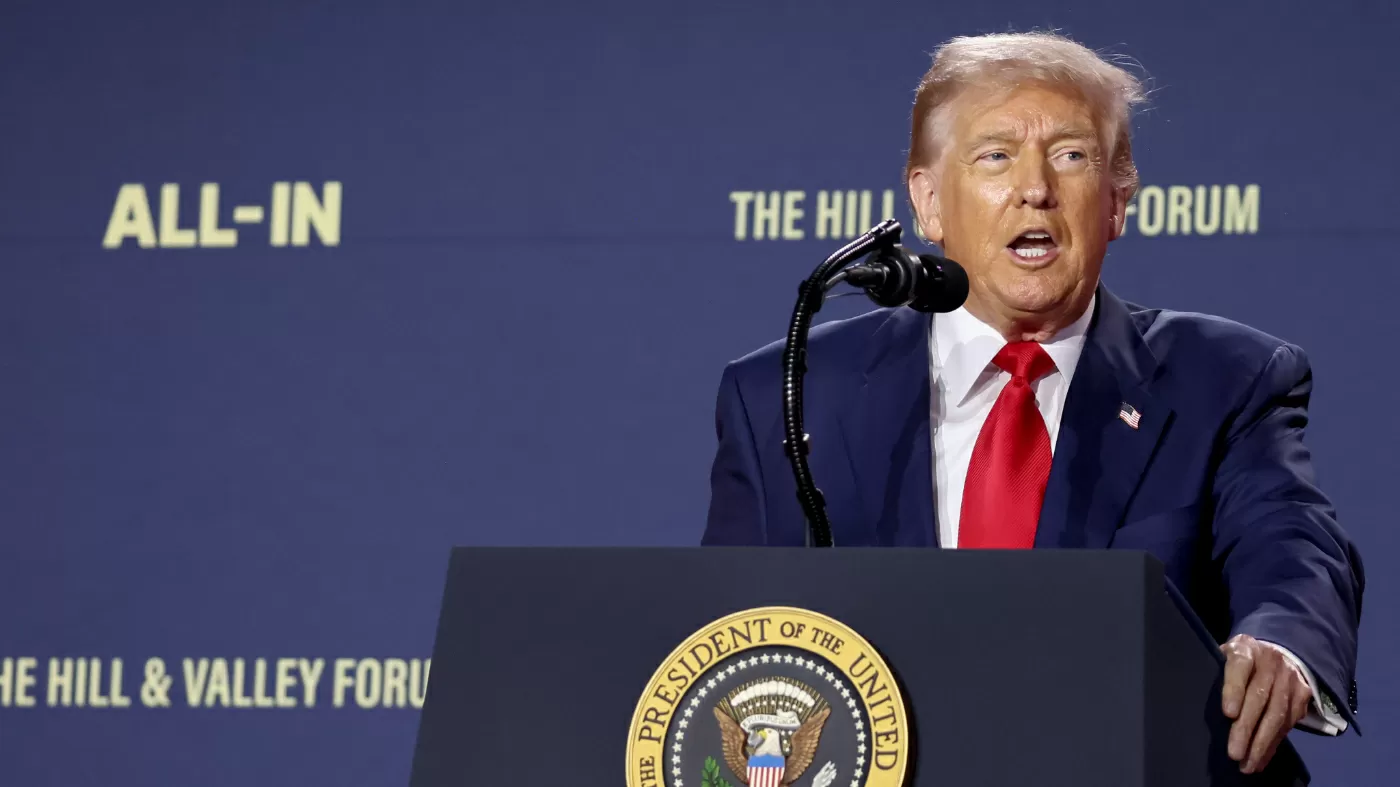
President Trump is once again making headlines with his bold move to consider an executive order that would block state AI laws. The White House is pushing for a federal framework on the technology, and this order would direct Attorney General Pam Bondi to establish a task force focused on challenging state AI measures. Additionally, it seeks to restrict some federal funding to states that pass laws related to AI.
This decision has sparked a heated debate among experts and lawmakers, with some applauding the move while others expressing concern. However, one thing is for sure – this executive order has the potential to shape the future of AI in the United States.
At its core, AI technology has the power to revolutionize industries and improve the lives of people in countless ways. From healthcare to transportation, AI has the potential to make our lives easier, safer, and more efficient. However, with great power comes great responsibility, and it is crucial to have a clear and comprehensive framework in place to regulate this technology.
Currently, there is no federal law governing AI, and states have taken it upon themselves to pass their own laws. This has resulted in a patchwork of regulations, causing confusion and hindering the progress of AI development. President Trump’s executive order aims to address this issue by establishing a federal framework that will provide consistency and clarity for businesses and consumers alike.
The task force created by this order will be responsible for reviewing state laws related to AI and challenging those that are deemed to be hindering progress. This will not only promote a more unified approach to AI but also ensure that the technology is developed ethically and responsibly.
Furthermore, the order seeks to restrict federal funding to states that pass laws that could impede the development of AI. This is a crucial step in ensuring that states do not create barriers that could hinder the growth of this technology. By incentivizing states to align with the federal framework, the government is promoting a collaborative and unified approach towards AI development.
Some critics have raised concerns about the potential conflicts between state and federal laws. However, it is essential to note that this executive order does not aim to override state laws but rather to promote a cohesive and streamlined approach to AI regulation. It also provides a mechanism for states to work with the federal government to align their laws with the federal framework.
President Trump’s decision to consider this executive order is a significant step towards promoting the growth and responsible development of AI in the United States. It demonstrates the government’s commitment to harnessing the full potential of this technology while ensuring that it is developed ethically and responsibly.
Moreover, this order sends a strong message to the international community that the United States is serious about leading the way in AI development. With countries like China investing heavily in AI, it is crucial for the US to maintain its competitive edge in this field. By establishing a federal framework, the US can foster an environment that encourages innovation and attracts top talent in the AI industry.
In conclusion, President Trump’s consideration of an executive order to block state AI laws and establish a federal framework is a significant step towards promoting the responsible development of AI in the United States. It will provide much-needed clarity and consistency in AI regulation, promote collaboration between states and the federal government, and maintain the US’s competitive edge in this rapidly advancing field. Let us embrace this executive order and work towards a future where AI is harnessed for the betterment of society.
