


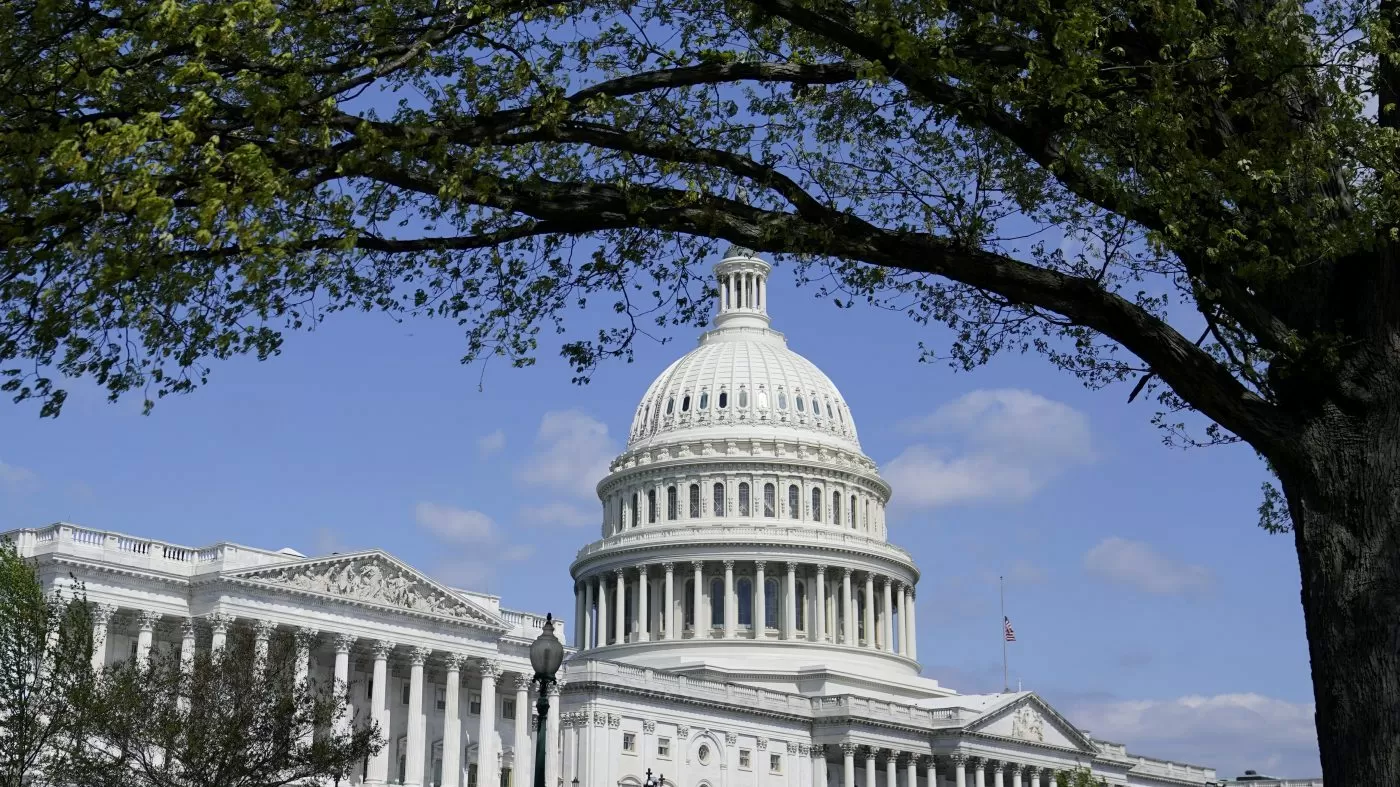
More than 200 state lawmakers are standing together to protect the rights of their states in the face of potential federal interference. In a letter addressed to both the House and Senate, a bipartisan group of lawmakers is urging Congress to reject a provision in an annual defense bill that would preempt state laws regulating artificial intelligence (AI).
The letter, signed by lawmakers from 38 states, highlights the importance of allowing states to retain the ability to regulate AI as it continues to develop and raise ethical concerns. The lawmakers argue that states are in the best position to understand the unique needs and concerns of their communities and should not be overruled by federal legislation.
The potential provision in question is part of the National Defense Authorization Act (NDAA), an annual bill that sets the budget and policies for the Department of Defense. The provision would establish a national framework for regulating AI, effectively preempting any state laws on the matter.
The lawmakers’ letter states, “We believe that states should be allowed to continue to regulate AI within their borders, as they have done with other emerging technologies. States have a long history of successfully regulating new technologies, and AI should be no different.”
The concern over federal interference in state laws is not unfounded. In recent years, there have been several instances where federal legislation has preempted state laws, causing confusion and hindering progress. The lawmakers argue that this should not be the case with AI, as it is a rapidly evolving technology that requires flexibility and adaptability.
The letter also highlights the potential negative impact of preempting state laws on the development and adoption of AI. States have been at the forefront of regulating AI, with some already passing laws to address issues such as bias and privacy concerns. Preempting these laws could stifle innovation and hinder the responsible development of AI.
Furthermore, the lawmakers argue that a one-size-fits-all approach to regulating AI is not feasible. Each state has its own unique challenges and needs, and a national framework may not adequately address these differences. Allowing states to continue regulating AI within their borders would ensure that the laws are tailored to the specific needs of their communities.
The bipartisan group of lawmakers also emphasizes the importance of protecting the rights and privacy of individuals in the development and use of AI. They state, “States have a responsibility to protect the rights and privacy of their citizens, and AI is no exception. We must ensure that any regulations put in place prioritize the well-being and safety of individuals.”
The letter concludes by urging Congress to reject the provision in the NDAA and allow states to continue regulating AI within their borders. The lawmakers believe that this approach will lead to responsible and ethical development of AI while also protecting the rights and privacy of individuals.
The call to action by these state lawmakers is a crucial step in ensuring that the development and use of AI are guided by responsible and ethical principles. By allowing states to retain the ability to regulate AI, we can ensure that the technology is used for the betterment of society and not at the expense of individual rights and privacy.
As AI continues to advance and become more integrated into our daily lives, it is essential to have a regulatory framework that is flexible, adaptable, and tailored to the needs of each state. The bipartisan group of lawmakers is sending a clear message to Congress that states should not be preempted in their efforts to regulate AI. Let us hope that their voices are heard, and the rights of states are protected in the face of federal legislation.
