


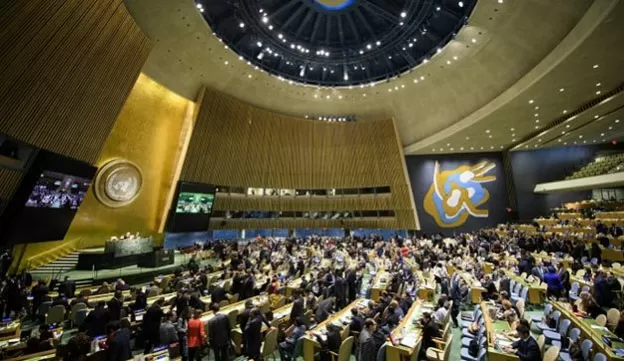
The United Nations (UN) has long been a symbol of hope and unity for the international community. With its 193-member General Assembly (GA) at the forefront of policy-making, the UN has been able to address a wide range of global issues and promote peace and cooperation among nations. However, as the world continues to evolve, so must the UN. In light of the organization’s current financial struggles, there is a growing need for restructuring and streamlining of its operations. This includes addressing the issue of outdated resolutions that have been accumulating for decades and are now lying in cold storage.
The GA, as the highest policy-making body of the UN, has been the repository for numerous resolutions over the years. These resolutions, while well-intentioned at the time, have become outdated and no longer serve their purpose. They have been gathering dust in cold storage, taking up valuable space and resources. This has not only led to inefficiency and wastage but has also hindered the GA’s ability to effectively address current global challenges.
As part of the proposed restructuring of the UN, there is now a move to streamline and modernize the GA’s operations. This includes a thorough review of all existing resolutions and the identification of those that are no longer relevant. The aim is to eliminate these outdated resolutions and make room for new, more pertinent ones that can better address the current needs of the international community.
This move has been met with widespread support from member states, who recognize the need for a more efficient and effective GA. The current liquidity crisis facing the UN has only further highlighted the urgency of this restructuring. With limited resources, it is crucial that the UN optimizes its operations and focuses on addressing the most pressing global issues.
The streamlining of outdated resolutions is not only a practical move but also a symbolic one. It shows the UN’s commitment to adapt and evolve with the changing times. It also reflects the organization’s dedication to staying true to its core values and mission of promoting peace, human rights, and sustainable development.
Moreover, this restructuring will also pave the way for the GA to take on a more proactive role in addressing global challenges. By eliminating outdated resolutions, the GA will have more time and resources to focus on current issues such as climate change, poverty, and conflict resolution. This will not only benefit member states but also the world at large.
Some may argue that eliminating resolutions is a waste of time and resources, as they were passed by member states in the past. However, it is essential to understand that the world has changed significantly since then, and so have the challenges we face. It is crucial for the UN to adapt and prioritize its efforts accordingly.
In addition to streamlining resolutions, the proposed restructuring also includes measures to improve the GA’s financial stability. This includes exploring alternative sources of funding and reducing unnecessary expenses. By addressing the root cause of the UN’s liquidity crisis, this restructuring will ensure the organization’s long-term sustainability and effectiveness.
In conclusion, the proposed streamlining of outdated resolutions is a necessary step towards a more efficient and effective UN. It is a testament to the organization’s commitment to evolve and adapt to the changing world and its challenges. With the support of member states, this restructuring will not only address the current financial crisis but also pave the way for a more proactive and impactful GA. Let us embrace this change and work towards a stronger and more united UN for the betterment of all.
