


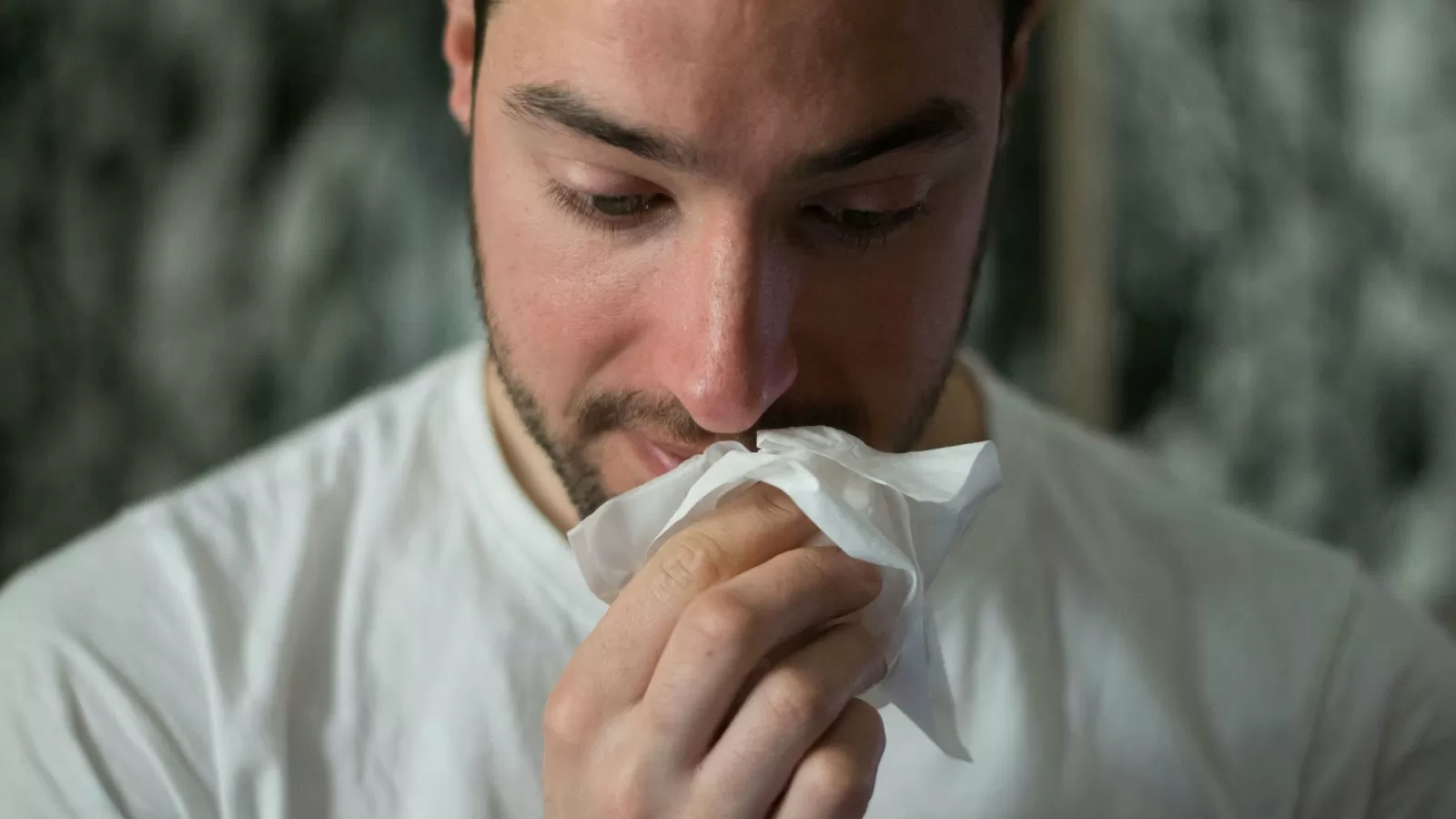
The current flu season has been making headlines due to the presence of the influenza H3N2 strain, which has been referred to by some as a “superflu”. However, according to Dr. Suzanne Wylie, a GP and medical advisor for IQdoctor, the term “superflu” is not a recognized medical diagnosis. Instead, it is often used to describe a combination of different viruses that overlap in symptoms and timing, making the overall picture feel more intense and prolonged than a typical flu season.
Dr. Wylie emphasizes that this does not mean that the NHS is not experiencing an extraordinarily busy flu season, or that patients are not experiencing symptoms that persist longer than usual. In fact, she shares that the current flu season is particularly challenging due to a combination of factors such as co-infection with multiple viruses, reduced background immunity, and a challenging winter.
So, how can one differentiate between a “normal” flu and a “superflu”? Dr. Wylie explains that her definition of a “superflu” is co-infection with more than one virus, or catching a second virus before fully recovering from the first. In contrast, true influenza tends to come on very suddenly, often within a few hours. Symptoms such as high fever, profound fatigue, muscle aches, headaches, dry cough, and a sense of being completely “wiped out” are characteristic of influenza. People often describe being unable to get out of bed or perform basic tasks.
However, what is being labeled as a “superflu” this year is essentially the classic influenza picture, but with the added complication that many individuals are experiencing symptoms that persist longer than usual. These symptoms include lingering coughs, extended fatigue, and a slower return to normal activity. It is important to note that many cases of what people believe to be flu are actually a bad cold or another respiratory infection, which develop more gradually with runny noses, sore throats, congestion, and milder fevers. With a cold, one can typically still function to some extent, whereas influenza tends to be more abrupt and systemically draining.
The question arises, why is the flu so bad this winter? According to Dr. Wylie, immunity in the population fluctuates from year to year, depending on which strains have circulated previously and how closely the current strains match the flu vaccine. If the circulating strain is one that the community has not been exposed to recently, or if vaccine uptake has been lower, more people are left susceptible, leading to higher case numbers and more severe symptoms. The BBC notes that many people have not been exposed to the mutated H3N2 strain much in the past few years.
Dr. Wylie explains that this is partly due to the after-effects of the pandemic, where reduced exposure to seasonal viruses over several years means people’s baseline immunity to common respiratory pathogens may be lower than it once was. Additionally, increased strain on healthcare may mean that people are waiting longer to get help for the flu, making their condition worse by the time they are seen. Environmental and behavioral factors also play a role, such as winter gatherings, indoor living, and schools acting as hubs for virus transmission, all contributing to a more intense flu season. Furthermore, many patients are experiencing simultaneous stresses, poor sleep, or chronic conditions that can make any viral illness feel harder to shake off.
In conclusion, the combination of genuine influenza, overlapping viruses, reduced background immunity, and a challenging winter has created the sense of a particularly tough respiratory season. While Dr. Wylie is skeptical of the use of the word “superflu,” she advises that if someone is unsure whether their symptoms are typical of a cold, flu, or something more serious, it is always sensible to seek medical advice, especially if symptoms are severe, prolonged, or worsening. So, let us all take care of ourselves and each other during this challenging flu season.
