


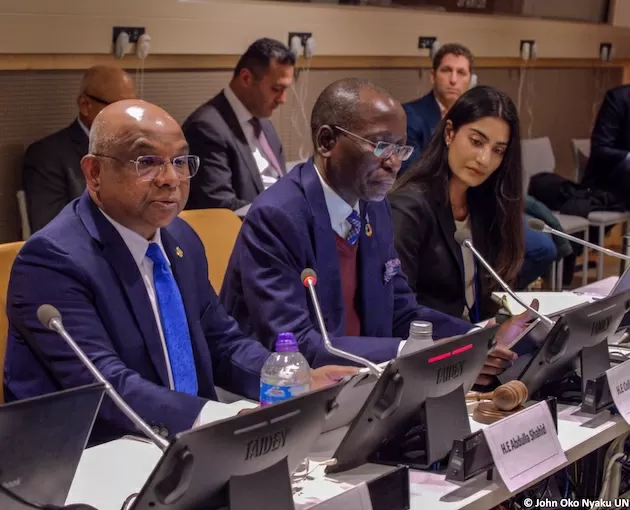
More than one year since its adoption, the UN Pact for the Future continues to be hailed as a crucial framework for countries to address the pressing issues of our time through global cooperation. With its ambitious agenda for global governance and sustainable development, the Pact has the potential to bring about positive change on a global scale. However, as with any ambitious undertaking, the implementation of the Pact poses significant challenges that must be addressed in order for it to achieve its full potential.
The UN Pact for the Future, also known as the Paris Agreement, was adopted in 2015 by 196 countries with the aim of limiting global warming to well below 2 degrees Celsius and pursuing efforts to limit it to 1.5 degrees. It also seeks to strengthen the ability of countries to deal with the impacts of climate change and to make financial flows consistent with a pathway towards low greenhouse gas emissions and climate-resilient development. In addition, the Pact recognizes the need for global cooperation in addressing the root causes of climate change and promoting sustainable development.
One of the main challenges in implementing the Pact is the issue of funding. Developed countries have committed to providing $100 billion annually by 2020 to help developing countries mitigate and adapt to the effects of climate change. However, there is still a significant gap between the pledged amount and the actual funds being delivered. This poses a major obstacle in the implementation of the Pact, as developing countries may not have the necessary resources to implement the necessary measures to combat climate change.
Another challenge is the issue of accountability. The Pact relies heavily on voluntary commitments from countries, and there is no legally binding mechanism to ensure that countries fulfill their commitments. This lack of accountability may lead to some countries not taking the necessary actions to reduce their emissions or failing to provide the promised financial support to developing countries. This could undermine the effectiveness of the Pact and hinder its progress towards achieving its goals.
Furthermore, the Pact faces challenges in terms of political will and cooperation among countries. In order for the Pact to be successful, all countries must work together towards a common goal. However, there are still some countries that are hesitant to fully commit to the Pact, either due to their own economic interests or political agendas. This lack of cooperation and unity could hinder the progress of the Pact and prevent it from achieving its full potential.
Despite these challenges, it is important to note that the UN Pact for the Future has already made significant progress in its first year of implementation. The number of countries ratifying the Pact has steadily increased, with 189 countries having already ratified it. This shows a strong commitment from the international community to address the issue of climate change and work towards a more sustainable future.
In addition, the Pact has also sparked a global movement towards sustainable development and climate action. Many countries, cities, and businesses have pledged to reduce their carbon emissions and implement sustainable practices. This shows that the Pact has not only influenced governments, but also individuals and organizations, to take action towards a more sustainable future.
Moreover, the Pact has also brought about a shift in the global mindset towards climate change. It has raised awareness about the urgency of the issue and the need for immediate action. This has led to a greater sense of responsibility and a call for more ambitious measures to combat climate change.
In conclusion, the UN Pact for the Future is a critical framework for countries to address the pressing issues of our time through global cooperation. Its ambitious agenda for global governance and sustainable development has the potential to bring about positive change on a global scale. However, the implementation of the Pact poses significant challenges that must be addressed in order for it to achieve its full potential. It is crucial for all countries to work together and take concrete actions towards a more sustainable future. Let us all join hands and make the UN Pact for the Future a success for the sake of our planet and future generations.
