


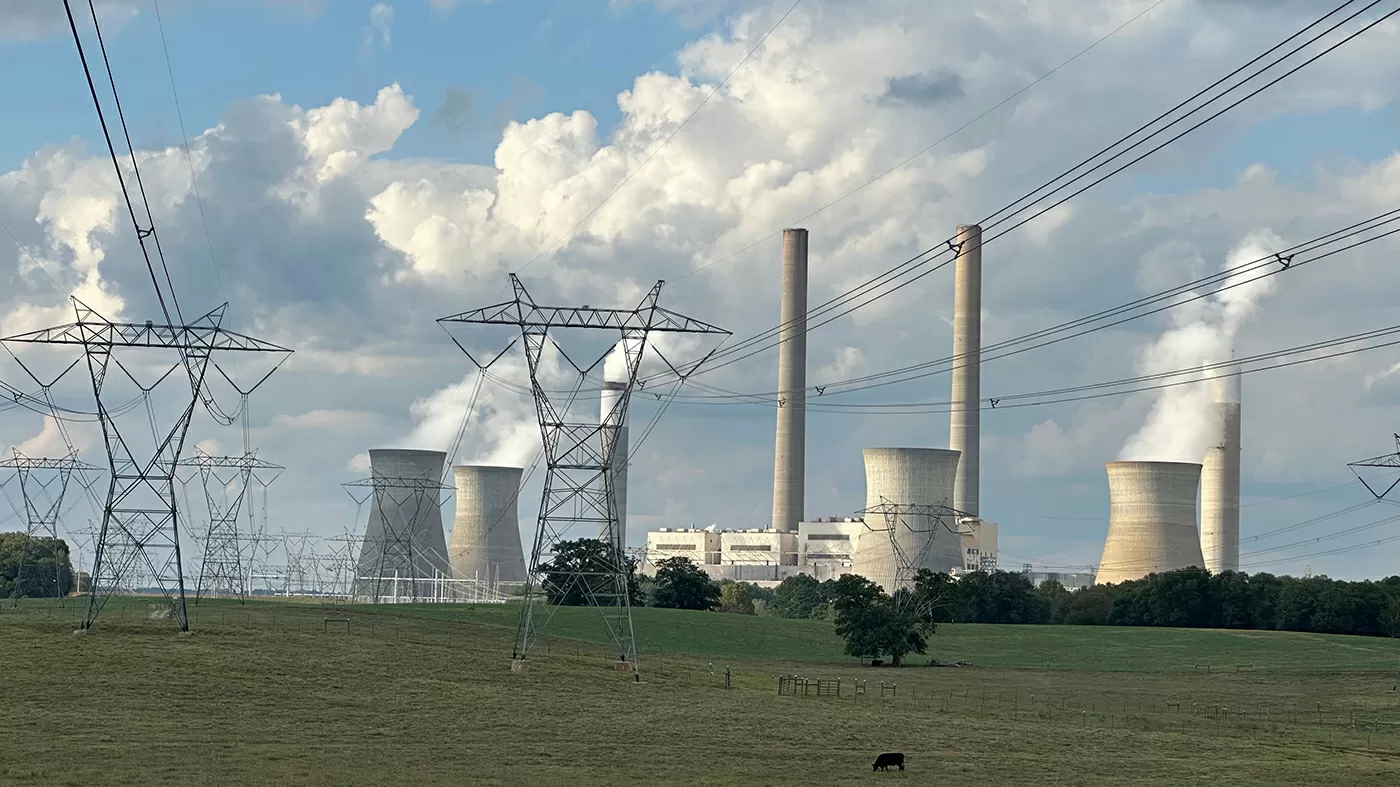
President Trump and major tech companies are joining forces to change the narrative around data centers. As the demand for AI infrastructure continues to rise, so do the electricity costs associated with running these facilities. This has led to growing opposition from local communities and has become a political liability for both the White House and the tech industry. In response, they have launched initiatives to bring down electricity costs and mitigate the negative impact of data centers.
Data centers are the backbone of the digital age, housing the servers and equipment that power our online activities. With the increasing use of AI technology, the demand for data centers has skyrocketed. However, this growth has come at a cost – rising electricity bills. Data centers are energy-intensive, consuming vast amounts of electricity to keep the servers running and cool. This has led to concerns about the environmental impact and sustainability of these facilities.
In recent years, there has been a growing backlash against data centers from local communities. Residents living near these facilities have raised concerns about the noise, traffic, and environmental impact of data centers. They have also expressed frustration over the lack of job opportunities for locals, as data centers often bring in their own specialized workforce. This has resulted in opposition to new data center projects and calls for stricter regulations.
The rising electricity costs linked to data centers have also become a political issue. With the 2020 presidential election approaching, President Trump and his administration are keen to address this issue and limit any potential backlash. The White House has launched the American AI Initiative, which aims to promote the development and responsible use of AI technology. As part of this initiative, the administration has pledged to invest in research and development to improve the energy efficiency of data centers.
Tech companies, on the other hand, are also taking steps to address the issue. Google, for example, has committed to using 100% renewable energy for all its operations, including data centers. The company has also invested in innovative cooling technologies to reduce the energy consumption of its data centers. Other tech giants such as Microsoft and Facebook have also made similar commitments to using renewable energy and reducing their carbon footprint.
In addition to these efforts, the tech industry is also working on developing new technologies to make data centers more energy-efficient. This includes using artificial intelligence to optimize energy usage and implementing advanced cooling systems. These innovations not only reduce electricity costs but also have a positive impact on the environment.
The initiatives taken by the White House and tech companies are not only beneficial for the environment but also for the economy. The data center industry is a major contributor to job creation and economic growth. According to a report by the Internet Association, data centers support over 7 million jobs and contribute $1.3 trillion to the US economy. By addressing the issue of rising electricity costs, these initiatives will ensure the continued growth and success of the data center industry.
Moreover, data centers play a crucial role in advancing AI technology, which has the potential to revolutionize various industries and improve our daily lives. From healthcare to transportation, AI has the power to make our world more efficient and connected. By supporting the development of AI infrastructure, the White House and tech industry are paving the way for a brighter future.
In conclusion, President Trump and major tech companies are taking proactive steps to change the narrative around data centers. By addressing the issue of rising electricity costs and promoting the responsible use of AI technology, they are working towards a more sustainable and efficient future. These initiatives not only benefit the environment but also the economy and the advancement of AI technology. With their combined efforts, we can ensure that data centers continue to be a driving force in the digital age.
