


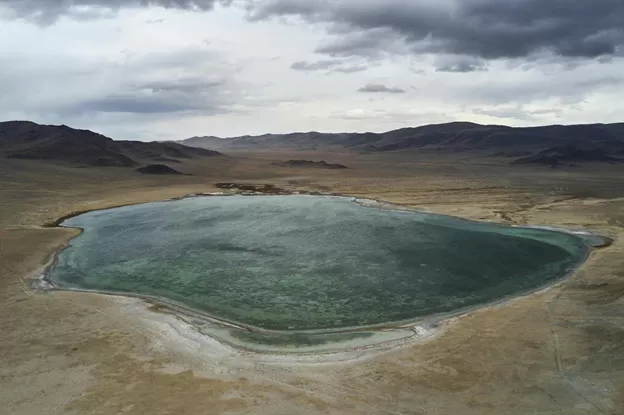
The International Year of Glaciers’ Preservation in 2025 is a significant milestone for Mongolia. This year marks a timely reminder that the stability of our country’s economy is directly linked to the health of our mountain systems. As we continue to witness the rapid melting of glaciers at an unprecedented rate, it is crucial for us to recognize the impact it has on our country’s energy and agricultural systems – two pillars of development that rely heavily on the same finite resource: water.
Mongolia has long been known for its vast, rugged landscapes and harsh climate. The country’s mountainous regions, which cover over 80% of its land area, are home to thousands of glaciers. These glaciers act as a vital source of freshwater, feeding into the country’s rivers and providing water for irrigation, hydropower, and domestic use. However, due to the effects of climate change, these glaciers are disappearing at an alarming rate.
According to a recent study, Mongolia’s glaciers have shrunk by 15% in the last 30 years, and the rate of melting is only increasing. This rapid retreat has severe consequences for our country’s economy and livelihoods. The loss of glaciers leads to decreased water availability, which affects our energy production and agricultural production. This, in turn, has a ripple effect on our economy and the well-being of our people.
The impact of glacial melt is already being felt across Mongolia. In recent years, we have witnessed prolonged droughts, resulting in reduced crop yields and increased food insecurity. The country’s energy sector has also been affected, with hydropower plants struggling to generate electricity due to low water levels in rivers. This has not only resulted in power shortages but also a significant blow to our economy.
However, it is not just the economic consequences that we need to worry about. The loss of glaciers also has severe implications for our environment and biodiversity. Glaciers play a crucial role in regulating our climate by reflecting the sun’s rays and keeping our planet cool. With their disappearance, we are faced with the threat of rising temperatures, which could have catastrophic effects on our ecosystems and wildlife.
But it is not all doom and gloom. The International Year of Glaciers’ Preservation in 2025 serves as a wake-up call for us to take immediate action and protect our fragile mountain systems. The government of Mongolia has already taken significant steps towards addressing this issue. In 2019, the country launched its National Adaptation Plan, which aims to strengthen our resilience to climate change and reduce our vulnerability to its impacts.
Furthermore, the government has been working closely with international organizations and partners to implement projects that promote sustainable development and reduce greenhouse gas emissions. The introduction of renewable energy sources, such as solar and wind power, has been a crucial step in reducing our reliance on hydropower and decreasing our carbon footprint.
But there is still more work to be done. The International Year of Glaciers’ Preservation in 2025 presents us with an opportunity to intensify our efforts and raise awareness about the urgency of this issue. It is essential for all of us to play our part – from policymakers to individuals – in preserving our glaciers and protecting our country’s future.
We must also recognize the importance of international cooperation in addressing this global issue. Glaciers do not recognize borders, and their preservation requires a collective effort from all nations. Mongolia has already taken the lead by hosting the International Symposium on Glaciology in 2025, where experts from around the world will gather to share knowledge and strategies for preserving glaciers.
In conclusion, the International Year of Glaciers’ Preservation in 2025 is a crucial reminder that the stability of Mongolia’s economy rests on fragile mountain systems. We must act now to protect our glaciers and ensure a sustainable future for our country. Let us all come together and take concrete steps towards preserving our glaciers and securing our development for generations to come.
