


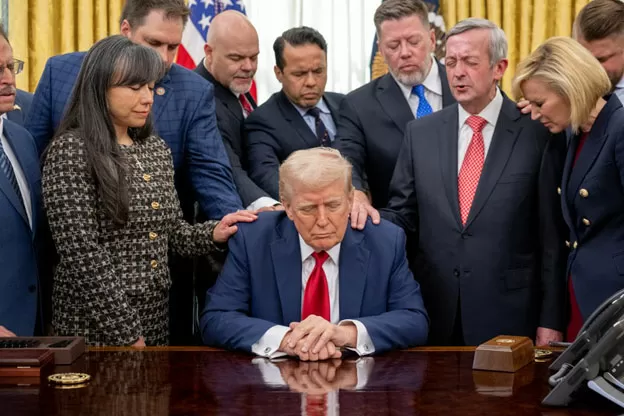
Over the past year, there has been a surge of events, meetings, consultations, and initiatives taking place among faith-inspired and faith-based organizations in the United States. As someone with a background in human rights, international development, and humanitarian service, I have closely observed the evolution of these efforts and I must say, I am concerned.
In the past, faith-based organizations were often seen as separate from mainstream development and humanitarian efforts. However, in recent years, there has been a noticeable shift in the attitudes of Western governments towards these organizations. They are now being recognized as important partners in addressing global challenges and promoting sustainable development.
One of the main reasons for this shift is the increasing understanding that faith-based organizations have a unique and valuable role to play in promoting human rights and social justice. These organizations are deeply rooted in their communities and have a deep understanding of the local context. They are also guided by strong moral and ethical principles, which often align with the values of human rights and social justice.
This recognition has led to a growing interest among Western governments in partnering with faith-based organizations. This is evident in the increasing number of events, meetings, consultations, and initiatives that have taken place over the past year. These efforts have brought together diverse groups of faith-inspired and faith-based organizations, along with government representatives, to discuss ways to collaborate and address pressing global issues.
One such event was the Faith-Based Organizations and Global Challenges Conference, which was held in Washington D.C. in October 2019. The conference brought together representatives from various faith-based organizations, as well as government officials, to discuss how faith-based organizations can contribute to achieving the Sustainable Development Goals (SDGs). The SDGs are a set of 17 global goals adopted by the United Nations in 2015, with the aim of ending poverty, protecting the planet, and promoting peace and prosperity for all.
Another significant initiative that took place over the past year was the launch of the Faith-Based Organizations for Sustainable Development (FBOs4SD) platform. This platform aims to facilitate collaboration between faith-based organizations and other stakeholders to advance the SDGs. It also provides a space for faith-based organizations to share their best practices and lessons learned in promoting sustainable development.
In addition to these events and initiatives, there have also been several consultations between faith-based organizations and government agencies. These consultations have focused on a wide range of issues, including climate change, gender equality, and humanitarian assistance. These dialogues have helped to build trust and understanding between faith-based organizations and government agencies, paving the way for more effective partnerships in the future.
As someone who has worked in the field of human rights and international development, I am heartened by these developments. The increasing interest in faith-based organizations by Western governments is a positive step towards achieving the SDGs and promoting social justice. It also reflects a growing recognition of the important role that faith-based organizations play in addressing global challenges.
However, I also believe that there is still much work to be done. While these events and initiatives are a step in the right direction, there is a need for more sustained and meaningful engagement between faith-based organizations and governments. This will require a shift in mindset from both sides, as well as a commitment to working together towards common goals.
Moreover, it is crucial that these efforts are inclusive and representative of the diverse faith-based organizations and communities around the world. This will ensure that the perspectives and experiences of all faith-based organizations are taken into account in the decision-making processes.
In conclusion, I am hopeful that the events, meetings, consultations, and initiatives that have taken place over the past year will lead to stronger partnerships between faith-based organizations and Western governments. Together, we can work towards a more just and sustainable world, where the rights and dignity of all individuals are respected and protected. Let us continue to build on these efforts and create a brighter future for all.
