


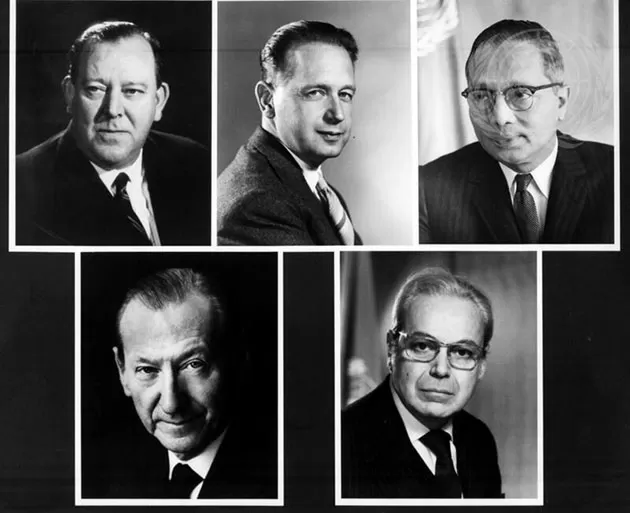
United Nations member countries are gearing up for a significant change in leadership this year as they prepare to select a new UN secretary-general to succeed António Guterres in January 2027. This change in leadership comes at a critical time when human rights and democracy, as well as the international organizations created to uphold those principles and provide lifesaving assistance, are facing unprecedented challenges.
The United Nations, established in 1945, has been a beacon of hope and a symbol of unity for the world. Its mission to maintain international peace and security, promote sustainable development, and protect human rights has been at the forefront of its work. However, in recent years, we have witnessed a rise in attacks on these fundamental principles, threatening the very foundation of the United Nations.
The current UN secretary-general, António Guterres, has been a strong advocate for human rights and has worked tirelessly to promote peace and security around the world. During his tenure, he has focused on addressing the root causes of conflict, promoting gender equality, and tackling climate change. His leadership has been crucial in advancing the UN’s agenda and making a positive impact on the lives of millions of people.
As we look towards the future, it is essential to select a new UN secretary-general who will continue to uphold the values and principles of the United Nations. This decision rests in the hands of the member countries, who must carefully consider the qualities and qualifications of the candidates and choose a leader who will guide the organization towards a brighter future.
The selection process for the new UN secretary-general is a rigorous and transparent one. Member countries will have the opportunity to nominate candidates, who will then be evaluated by the UN General Assembly and the Security Council. The final decision will be made by the General Assembly, with the recommendation of the Security Council.
It is crucial that the new UN secretary-general possesses the necessary skills and experience to lead the organization effectively. They must have a deep understanding of global issues and be committed to promoting human rights, democracy, and sustainable development. They must also have the ability to bring together diverse perspectives and find common ground to address the world’s most pressing challenges.
The change in leadership at the United Nations comes at a time when the world is facing numerous crises. The COVID-19 pandemic has highlighted the importance of international cooperation and the need for a strong and united United Nations. The new secretary-general must be able to navigate these challenges and work towards building a more resilient and equitable world.
Moreover, the new secretary-general must also address the growing threats to human rights and democracy. In recent years, we have seen a rise in authoritarian regimes and attacks on civil liberties. The United Nations must continue to be a strong advocate for human rights and hold those who violate them accountable.
The United Nations is not just an organization; it is a symbol of hope for millions of people around the world. It is a platform for dialogue and cooperation, and it has the power to bring about positive change. The new secretary-general must be a unifying force, bringing together member countries to work towards a better future for all.
In conclusion, the selection of a new UN secretary-general is a crucial decision that will shape the future of the organization and the world. It is a responsibility that must be taken seriously by all member countries. We must choose a leader who will uphold the values and principles of the United Nations and work towards a more peaceful, just, and sustainable world. Let us come together and make the right choice for the future of the United Nations and the world.
