

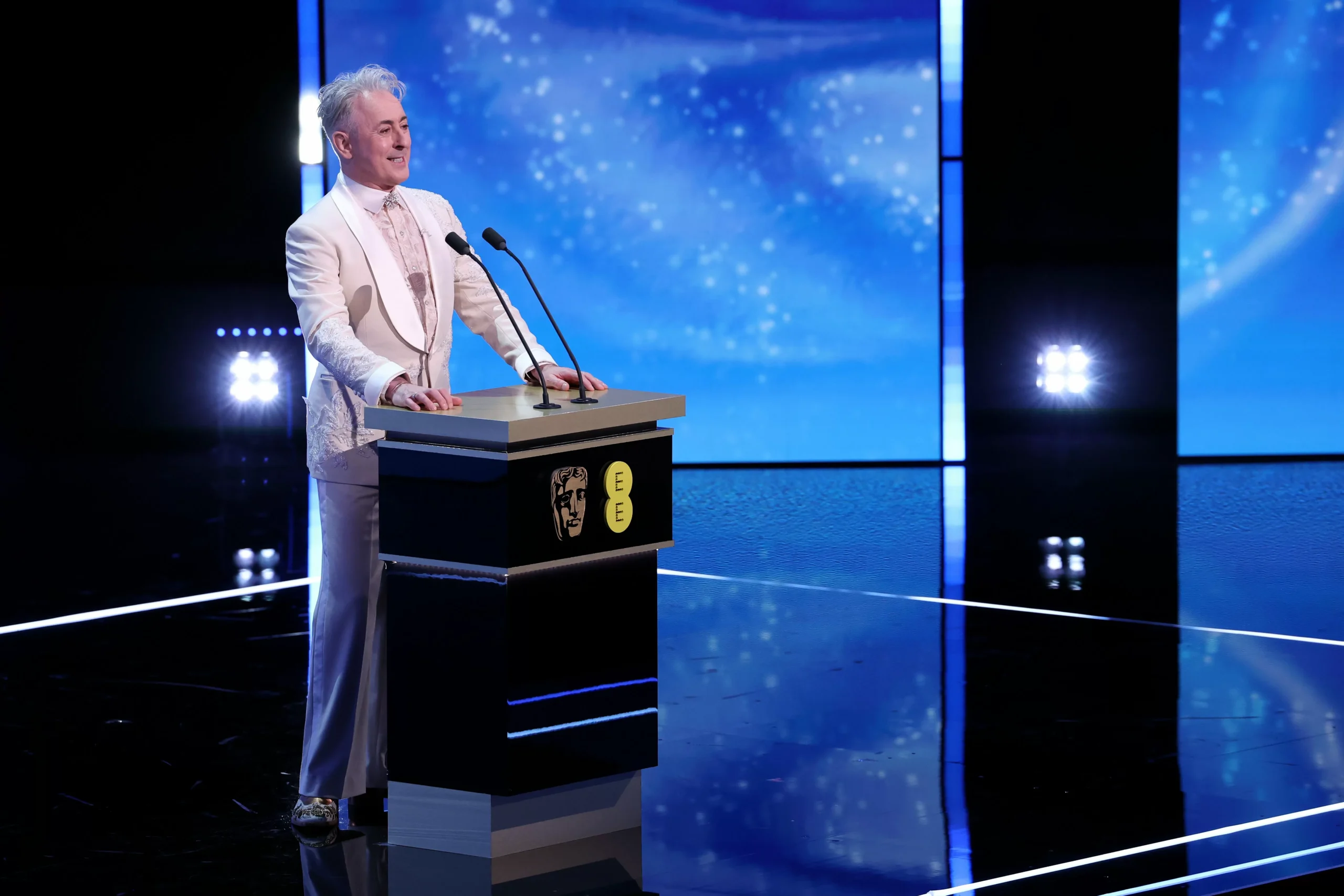
Alan Cumming took the stage at the 2026 Baftas on Sunday night, ready to celebrate the best of British film and television. However, what should have been a night of celebration turned into a controversy for the BBC, as they faced backlash for their coverage of the event.
The controversy began when the BBC aired an uncensored racial slur during the broadcast, causing outrage among viewers. This slur was uttered by Tourette’s advocate John Davidson, who experienced an involuntary tic while actor Michael B Jordan and Delroy Lindo were presenting an award. This incident sparked a heated debate about the use of offensive language on television and the responsibility of broadcasters to censor such content.
But the backlash didn’t stop there. It was later revealed that an acceptance speech by filmmaker Akinola Davies Jr had been edited to remove a message of solidarity with Palestine. This only added fuel to the fire, with many accusing the BBC of censorship and bias.
After days of mounting pressure and criticism, the BBC finally issued an apology on Monday afternoon. They also confirmed that the use of the racial slur had been removed from the version of the Baftas streaming on their iPlayer service. However, this was not the end of the controversy.
On Tuesday, BBC News reported that a second racial slur had been successfully removed from the broadcast ahead of time. This was confirmed by a BBC spokesperson in an internal memo shared with HuffPost UK. The memo, sent by the BBC’s chief content officer Kate Phillips, expressed remorse for the incident and took full responsibility for what happened.
In the memo, Phillips wrote, “I’m so sorry that a racial slur was not edited out of our broadcast. We understand how distressing this was. Award attendees were pre-warned about the possibility of involuntary verbal tics associated with Tourette Syndrome at the start of the show, and Alan Cumming addressed it during the broadcast. Of course, this doesn’t lessen the impact and upset.”
She went on to explain that the edit team had also removed another racial slur from the broadcast, which was aired in error. The BBC spokesperson reiterated this apology to HuffPost UK, stating that the use of offensive language was unintentional and that they take full responsibility for the mistake.
The reason for the original slur not being edited out was attributed to the fact that the producers were working from a truck and missed the moment when it happened in the room. However, this explanation has not been confirmed by Bafta or the broadcaster itself.
The controversy also sparked a response from Delroy Lindo, who expressed his disappointment at the way Bafta handled the incident. In a lengthy statement, a Bafta spokesperson took “full responsibility” for what transpired and apologized for any distress caused.
John Davidson, who unintentionally uttered the racial slur, also released a statement of his own. He expressed his deep mortification and reiterated that his tics were involuntary and carried no intentional meaning.
Despite the controversy, the Baftas continued to celebrate the best of British film and television, with many deserving winners taking home awards. However, the events that unfolded have brought to light important discussions about the use of offensive language on television and the responsibility of broadcasters to censor such content.
The BBC has learned a valuable lesson from this incident and has taken steps to rectify their mistake. As a public broadcaster, they have a responsibility to uphold certain standards and ensure that their content does not cause harm or offense to anyone. And while mistakes can happen, it is commendable that they have taken full responsibility and apologized for their actions.
The 2026 Baftas may be remembered for this controversy, but it should also be remembered for the powerful and inspiring speeches made by winners, the incredible talent on display, and the celebration of British film and television. Let us not allow this incident to overshadow the achievements and contributions of these talented individuals.
As we move forward, it is important for all broadcasters to be more mindful and responsible in their coverage of events. Let us create a more inclusive and respectful media landscape, where everyone feels represented and safe. And let us continue to celebrate and support the incredible talent in the British film and television industry.
