Advanced Microscope 'Curie' Offers Hope Against Incurable IBD
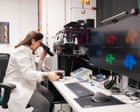
Revolutionary Technology Transforms Inflammatory Bowel Disease Research
Scientists are increasingly optimistic that a groundbreaking imaging system could unlock critical answers about inflammatory bowel disease and pave the way for innovative therapeutic approaches. The emergence of this powerful diagnostic instrument represents a significant leap forward in understanding conditions that continue to affect millions globally, offering researchers unprecedented capabilities to examine cellular structures and disease mechanisms at unprecedented magnification levels.
The 'Curie' Microscope: A Game-Changer in Medical Imaging
Unlike standard microscopy equipment found in typical research facilities, the 'Curie' device operates at magnifications ten times greater than conventional systems. This extraordinary resolution enables scientists to visualize minute biological structures that were previously impossible to examine in sufficient detail. The advanced technology incorporates cutting-edge optical components and sophisticated imaging algorithms designed specifically for biomedical research applications.
The development of this specialized instrument stems from years of collaborative efforts between leading research institutions and engineering teams committed to advancing diagnostic capabilities. By achieving such dramatic improvements in visualization capacity, researchers can now observe disease progression at the cellular and molecular levels with remarkable clarity.
Understanding the Scale of Inflammatory Bowel Disease
The global prevalence of severe and chronic bowel conditions among younger populations continues to rise at concerning rates. Within the United Kingdom alone, epidemiological data compiled by the British Society of Gastroenterology indicates that approximately 550,000 individuals currently manage inflammatory bowel disease in their daily lives. This substantial patient population faces ongoing challenges due to limited treatment options and incomplete understanding of underlying disease mechanisms.
Inflammatory bowel disease encompasses several distinct conditions, with Crohn's disease and ulcerative colitis representing the two predominant forms affecting British patients. Both conditions involve chronic inflammation of the digestive tract, causing significant physical symptoms and substantially impacting quality of life. The progressive nature of these diseases necessitates better diagnostic tools and more effective therapeutic interventions.
Potential Breakthroughs in Treatment Development
Researchers anticipate that the enhanced imaging capabilities provided by this microscope will accelerate discovery of the fundamental biological processes that trigger and sustain inflammatory bowel disease. By identifying previously undetectable cellular changes and molecular interactions, scientists may finally uncover the elusive root causes that have challenged gastroenterologists for decades.
The ability to examine tissue samples with such exceptional detail opens numerous research pathways. Scientists can now study how immune cells interact with intestinal tissue, observe inflammatory mediators in action, and document how disease progression occurs at the microscopic level. These observations could directly inform the development of targeted pharmaceutical interventions specifically designed to address identified disease mechanisms rather than merely managing symptoms.
Advancing Personalized Medicine Approaches
Beyond basic disease understanding, the microscope's capabilities could facilitate personalized treatment strategies tailored to individual patient profiles. By analyzing patient-specific tissue characteristics and disease patterns, clinicians may eventually predict treatment responses and customize therapy regimens accordingly. This precision medicine approach represents a paradigm shift from current standard protocols that often rely on trial-and-error methodology.
The implications extend beyond individual patients to reshape how inflammatory bowel disease is classified and managed at population levels. Detailed microscopic examination may reveal disease subtypes previously considered indistinguishable, enabling more accurate diagnoses and appropriate treatment selections.
Future Prospects and Research Momentum
The introduction of this advanced imaging technology demonstrates scientific commitment to solving one of modern medicine's most persistent challenges. Collaborative research initiatives leveraging the microscope's capabilities are already underway across multiple institutions, with preliminary observations suggesting significant diagnostic potential.
Investment in such sophisticated research infrastructure reflects broader recognition that breakthrough discoveries often require corresponding advances in technological capabilities. The 'Curie' microscope represents precisely this kind of enabling innovation that can accelerate progress toward clinically meaningful solutions for millions experiencing the debilitating effects of inflammatory bowel disease.
Moving forward, researchers remain optimistic that detailed microscopic investigations will eventually transform inflammatory bowel disease from an incurable condition into a manageable chronic illness with improved long-term outcomes for affected patients worldwide.