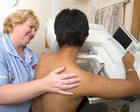
AI Detects Heart Disease in Women Through Mammograms
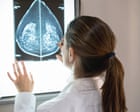
Revolutionary AI Technology Identifies Cardiovascular Risk During Routine Breast Screenings
A significant breakthrough in medical diagnostics demonstrates that AI detects heart disease in women through mammograms, offering a dual-purpose screening approach that could transform preventive healthcare. Researchers have successfully developed an artificial intelligence system capable of identifying cardiovascular conditions during routine breast cancer examinations, addressing a critical gap in women's health monitoring.
The innovative method utilizes machine learning algorithms to analyze mammographic images for markers associated with coronary artery disease, hypertension, and cerebrovascular events. This advancement represents a paradigm shift in how medical professionals approach women's health screenings, potentially reducing the number of undiagnosed cardiac conditions that remain the leading cause of mortality among women globally.
Understanding the Research Methodology
Medical teams conducted comprehensive analysis of mammogram data using advanced artificial intelligence platforms. The researchers trained their AI systems to recognize specific patterns and indicators within breast tissue imaging that correlate with underlying cardiovascular pathology. By processing thousands of clinical datasets, the algorithm learned to identify subtle radiological signatures associated with heart disease risk factors.
The study demonstrated that machines could successfully classify women into risk categories based on mammographic findings alone. This non-invasive approach eliminates the need for additional specialized cardiac imaging in many cases, streamlining the diagnostic process and reducing healthcare costs. The technology proved particularly valuable for identifying asymptomatic women who would benefit from further cardiovascular evaluation.
Clinical Implications for Women's Health Screening
The dual-screening capability of mammograms using AI represents a major advancement in preventive medicine. Current breast cancer screening protocols already involve regular mammographic examinations for millions of women annually. Integrating cardiovascular risk assessment into these existing procedures could dramatically increase early detection rates for heart disease, which frequently goes unrecognized in female patients.
Healthcare professionals have long acknowledged that women's cardiac symptoms often differ from those traditionally associated with male patients, leading to diagnostic delays and undertreatment. By implementing AI-enhanced mammogram analysis, clinicians gain an additional tool to identify at-risk populations before symptomatic events occur. This proactive approach aligns with modern preventive medicine principles and evidence-based healthcare strategies.
Addressing the Underdiagnosis Challenge
Heart disease remains dramatically underdiagnosed in women compared to men, despite being the leading cause of female mortality worldwide. This disparity stems from multiple factors, including atypical symptom presentation, healthcare provider bias, and insufficient screening protocols specifically designed for female populations. The new AI detection method directly addresses these systemic gaps in cardiovascular care.
Women experiencing silent ischemia or atypical anginal symptoms often receive inadequate evaluation during routine medical encounters. By leveraging existing mammography infrastructure with intelligent analysis capabilities, healthcare systems can improve detection rates without requiring patients to undergo additional procedures or specialized consultations. This efficiency gains particular importance in resource-limited healthcare settings.
Technical Capabilities and Diagnostic Accuracy
The artificial intelligence system successfully identified multiple cardiovascular conditions including coronary heart disease, elevated blood pressure patterns, and previous cerebrovascular incidents. The algorithm demonstrated strong sensitivity and specificity rates compared to traditional diagnostic methods. Machine learning models continuously improve through exposure to diverse clinical datasets, suggesting future iterations will enhance diagnostic accuracy further.
Integration of AI into existing radiology workflows requires minimal procedural modifications, making implementation relatively straightforward for medical institutions. Radiologists can review AI-generated risk assessments alongside standard mammography reports, providing comprehensive patient information for clinical decision-making. This collaborative approach between artificial intelligence and human expertise maximizes diagnostic value while maintaining quality control standards.
Future Applications and Healthcare Impact
The successful demonstration that AI detects heart disease in women through mammograms opens possibilities for similar dual-screening applications across other medical imaging modalities. Researchers anticipate expanding this technology to chest radiographs, CT scans, and other diagnostic imaging procedures. Standardization and regulatory approval of these systems will facilitate widespread adoption across healthcare networks.
Implementation of AI-enhanced screening protocols could prevent thousands of cardiac events annually by identifying at-risk women during asymptomatic phases. Earlier intervention based on positive screening results enables physicians to initiate preventive therapies, lifestyle modifications, and intensive monitoring strategies that reduce cardiovascular mortality. The cost-effectiveness of integrating AI analysis into existing screening programs makes this approach particularly attractive for healthcare administrators and policymakers.