
American Helicopter Strikes Iran Blockade Ship in Gulf of Oman
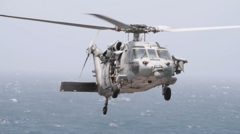
Helicopter Strike Targets Iran Blockade Vessel
The United States military has confirmed that an Iran blockade ship was hit by missiles fired from a helicopter in a significant operation within the Gulf of Oman. According to reports from US Central Command, the helicopter successfully targeted a Panama-flagged cargo vessel that was allegedly attempting to circumvent international restrictions. The strike specifically focused on the engine room of the vessel, effectively disabling its propulsion systems.
Operational Details of the Military Action
US Central Command officials reported that the Iran blockade ship came under direct fire during the engagement in the strategically important Gulf of Oman waterway. The Panama-flagged vessel in question was believed to be transporting cargo in violation of sanctions protocols. The helicopter's precise targeting of the engine compartment demonstrated the tactical precision employed by American military forces in the region. This operation represents another step in ongoing efforts to enforce maritime restrictions.
Strategic Implications in the Gulf of Oman
The Gulf of Oman remains one of the world's most critical maritime chokepoints, with significant commercial and strategic importance. The Iran blockade has been a contentious policy matter in international relations, with the United States maintaining strict enforcement measures. The recent helicopter strike underscores American commitment to preventing circumvention of these sanctions through maritime channels. Similar incidents have occurred periodically as shipping interests attempt to navigate around restrictions.
International Response and Context
The operation comes amid broader tensions in the region and ongoing geopolitical disputes. The US Central Command oversees military operations across the Middle East, including the Gulf of Oman area. Previous incidents involving cargo vessels attempting to breach the Iran blockade have resulted in various enforcement actions. International observers note the strategic importance of maintaining control over shipping lanes in this critical waterway.
Vessel Details and Shipping Implications
Panama-flagged vessels are commonly used in international commerce but have frequently appeared in sanctions-related incidents. The specific cargo vessel involved in this incident represents one of many ships suspected of participating in sanction evasion schemes. The strike on the engine room rendered the ship unable to proceed under its own power, effectively neutralizing its ability to continue the disputed voyage. Such measures have become standard practice for enforcing the Iran blockade in maritime operations.
Military Enforcement of Maritime Restrictions
The helicopter attack exemplifies the military dimension of sanctions enforcement in Middle Eastern waters. US Central Command maintains continuous surveillance and enforcement operations throughout the region. The precision strike capability demonstrated in this incident reflects modern military technology and tactics employed in maritime interdiction operations. These enforcement actions serve as deterrents against future attempts to breach the Iran blockade through sea routes.
Future Outlook and Regional Stability
This incident adds to the growing list of enforcement actions related to Iran sanctions. The Gulf of Oman will likely remain a flashpoint for similar operations as long as sanctions remain in effect. Shipping companies and vessel operators face increasing risk when engaging in activities perceived as sanction evasion. The US military's demonstrated capability and willingness to take direct action suggests that such enforcement operations may continue in the future.


