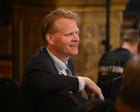
Andy Burnham Set to Lead UK After Starmer Steps Down
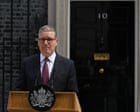
Burnham's Path to Downing Street Clears
Andy Burnham is positioned to become the next British prime minister following Keir Starmer's decision to relinquish his role as leader of the United Kingdom. The former Greater Manchester mayor appears unopposed in the succession race, with senior Labour figures backing his bid to take control of the government. Burnham's emergence as the clear frontrunner marks a significant moment in British politics, signaling a potential shift in direction for the Labour administration.
The transition came after an extraordinary session at Westminster, where Starmer publicly acknowledged that he could no longer effectively serve as the nation's leader. This announcement concluded months of mounting criticism from within Labour's own ranks, with MPs and cabinet ministers expressing serious reservations about his continued tenure amidst rising concerns over Reform UK's electoral threat.
Starmer's Decision to Step Aside
Prime Minister Keir Starmer announced a formal timetable for his departure, recognizing the mounting pressure from his own party members who questioned his ability to lead the country forward. The decision reflected deep divisions within Labour circles, where concerns about electoral vulnerability and internal party dynamics had created an untenable situation for his leadership.
This extraordinary reversal unfolded over recent months as discontent grew among Labour's parliamentary representatives and government ministers. Many lawmakers feared that Starmer's continued presence could hamper the party's electoral prospects, particularly given the rising influence of Reform UK as a political force. The combination of internal dissent and external political threats ultimately forced his hand.
Burnham's Strategic Plans for Government
The incoming leader plans to unveil a comprehensive policy platform beginning next week, with a series of major addresses designed to demonstrate a clear departure from the Starmer administration's approach. These speeches will emphasize economic strategy and devolution—key areas where Burnham intends to chart a new course.
Burnham is carefully deliberating over his cabinet appointments, with particular attention to the Chancellor position. He is actively considering appointing Ed Miliband as chancellor, a move designed to challenge conventional Treasury thinking and potentially reshape economic policy. However, this decision carries calculated risks, as both business interests and trade unions have expressed concerns about such an appointment. Despite these reservations, sources close to Burnham suggest he may be prepared to make the argument for this controversial choice.
Cabinet Appointments and Political Calculations
Shabana Mahmood is widely expected to retain her position as Home Secretary under Burnham's leadership. The incoming prime minister publicly commended Mahmood's performance as home secretary during the recent by-election campaign, particularly praising her willingness to address challenging immigration issues directly and comprehensively.
Wes Streeting represents another significant figure in the unfolding political realignment. He could potentially secure one of the government's top cabinet positions, though campaign sources have indicated that Streeting did not leverage any particular advantage during succession discussions. Some political observers have suggested his appointment as chancellor might reassure financial markets, though this remains speculative at present.
Opposition and Alternative Candidates
Despite Burnham's apparent dominance in the succession race, Starmer's closest allies continue exploring whether any credible alternative candidate might emerge to challenge him. The viability of opposition candidates appears to depend significantly on whether Ed Miliband ultimately accepts the chancellorship.
Darren Jones has been mentioned as a possible contender who could potentially stand against Burnham. However, sources familiar with the situation indicated that Jones has not been actively organizing a campaign challenge. These same sources deliberately avoided making categorical denials about his intentions, leaving open the theoretical possibility of a competing bid, though such a scenario appears increasingly unlikely as consensus builds around Burnham.
The Broader Political Context
Andy Burnham's ascent represents more than a simple leadership transition; it reflects fundamental questions about Labour's electoral strategy and policy direction. The party's concerns about Reform UK's electoral appeal and the desire to project renewed political energy have both contributed to this dramatic shift in leadership.
The succession process underscores broader patterns in contemporary British politics, where governing parties face intense pressure to adapt quickly to changing electoral landscapes and public sentiment. For Labour, Burnham's elevation signals an attempt to refresh the party's image and demonstrate responsiveness to internal and external pressures that had accumulated against the Starmer administration.