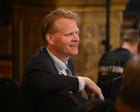
Andy Burnham Takes Parliamentary Oath Following Starmer's Resignation

Andy Burnham Sworn In as MP Amid Starmer's Departure
Andy Burnham has been formally sworn in as a Member of Parliament following Prime Minister Keir Starmer's announcement of his resignation from office. The ceremony marks a significant moment in Westminster politics as the Labour Party prepares for a leadership transition during a period of substantial political change. Andy Burnham's parliamentary oath represents another step in what is widely anticipated to be his ascension to a higher political position within the party.
Timeline for Leadership Transition
According to the Prime Minister's official statement, a new Labour leader will be selected and in place before Parliament reconvenes in September. This timeline indicates that the party will conduct its leadership election process over the summer months, allowing sufficient time for members to vote on the successor before the new parliamentary session begins. The accelerated schedule reflects the government's commitment to minimizing political uncertainty during the transition period.
Significant Political Context
Keir Starmer's decision to step down comes approximately two years after Labour's historic election victory, which secured the party's return to government following a lengthy period in opposition. The Prime Minister's departure represents a notable reversal following what was considered a decisive mandate from both Labour party members and the British electorate. Many observers have noted the paradoxical nature of the current situation, where the outgoing leader possessed clear democratic legitimacy from multiple constituencies.
Support for Burnham's Candidacy
Health Secretary Wes Streeting has publicly endorsed Andy Burnham as the ideal candidate to become the next Labour leader and Prime Minister. Streeting's backing represents significant support from within the cabinet and demonstrates considerable backing for Burnham among senior party figures. This endorsement carries considerable weight within Labour circles and has been viewed as an influential factor in the developing leadership race dynamics.
Analysis and Commentary
According to Tom Baldwin, Keir Starmer's authorized biographer and former communications chief for Ed Miliband during his Labour leadership period, the current political situation presents unusual contradictions. Baldwin's commentary highlights the tension between demands for Starmer's immediate resignation and the practical need for continuity during the transition period. He emphasizes that Starmer holds legitimate democratic mandates from both Labour party membership and the broader British electorate, having successfully campaigned on a detailed policy platform that resonated with voters.
Modern Political Dynamics
The circumstances surrounding this leadership transition reflect broader trends in contemporary British politics, where rapid shifts in party dynamics and member sentiment can occur with considerable speed. The intersection of institutional procedures and contemporary political pressures has created a unique situation where established protocols must accommodate shifting party priorities and member expectations. These dynamics underscore the complex relationship between traditional parliamentary procedures and modern political movements within major political parties.
Parliamentary Procedures and Continuity
The formal swearing-in of Andy Burnham as a Member of Parliament follows established Westminster protocols and represents the procedural foundation for his potential elevation to higher office. Parliamentary oaths constitute a fundamental constitutional element, binding new members to their duties and responsibilities within the House of Commons. Burnham's completion of this ceremonial requirement positions him formally within the legislative body before the anticipated leadership election process commences.
Party Member Expectations
Labour party members and supporters have demonstrated clear interest in the leadership succession process, with anticipation building around potential candidates. The party's established procedures for selecting new leaders emphasize democratic participation from the broader membership, ensuring that any new leader will similarly possess legitimacy derived from internal party processes. This commitment to inclusive selection procedures reflects Labour's foundational principles regarding internal party governance and democratic representation.
Looking Forward to Autumn Parliament
With Parliament set to return in September, the new Labour leader will assume office at a moment when substantial legislative business awaits and the government faces numerous policy challenges requiring immediate attention. The transition period over summer months will enable the incoming leader to prepare for these responsibilities while simultaneously managing the party's internal dynamics and organizational needs during this transitional phase.