
Arday's Death Highlights Crisis of Black Representation in UK Academia
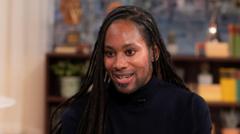
Understanding the Significance of Arday's Passing
The death of a prominent scholar has sent profound waves through an already fractured academic landscape in the United Kingdom. Arday's tragic loss underscores a critical reality facing British higher education: Black professors remain an extremely rare presence within university walls. With fewer than 1% of academic staff at UK institutions identifying as Black, his contributions to the field represented far more than individual scholarly achievement—they embodied the presence of an underrepresented demographic in spaces historically resistant to meaningful diversity.
The Stark Reality of Black Representation in Academia
Contemporary data reveals a sobering picture of racial composition within UK universities. The minuscule percentage of Black academics occupying professorial positions demonstrates the persistence of structural barriers that continue to exclude talented scholars from marginalized communities. This statistical reality transforms what might otherwise be viewed as a personal tragedy into a watershed moment for institutional reflection and change.
The absence of diverse perspectives among senior faculty has profound implications. Students encounter limited role models from backgrounds similar to their own. Research agendas remain shaped predominantly by viewpoints from majority populations. Knowledge production itself becomes skewed, missing crucial insights that scholars from diverse racial backgrounds could contribute to academic discourse.
Visibility and Vulnerability in Academic Spaces
When individuals from underrepresented groups enter predominantly homogeneous professional environments, they face unique pressures and challenges. Being part of such a small minority often means heightened visibility—every action becomes emblematic, every success attributed to tokenism, every struggle intensified by isolation. Arday's position as a relatively visible Black academic figure meant his work, leadership, and presence carried symbolic weight extending far beyond typical scholarly contributions.
This hypervisibility can exact significant psychological and emotional tolls. Scholars from marginalized backgrounds frequently report experiencing impostor syndrome, navigating microaggressions, and shouldering disproportionate expectations to serve as representatives of their entire demographic group. The isolation inherent in being one of very few creates additional stress layers that majority-group colleagues rarely encounter.
Structural Barriers Within Higher Education Institutions
The UK's academic pipeline suffers from systemic inequities that begin long before individuals reach professorial rank. Recruitment processes, promotion pathways, mentorship networks, and institutional cultures all contain embedded biases that disadvantage Black scholars. These structural obstacles accumulate across career stages, resulting in the pipeline leakage that produces the stark demographic imbalances visible today.
Universities have long claimed commitment to diversity while implementing insufficient mechanisms for achieving it. Tokenistic hiring initiatives without accompanying cultural transformation fail to address root causes. Without genuine institutional change—including addressing racist cultures, revising assessment criteria, and dismantling gatekeeping practices—demographic representation will remain stagnant regardless of individual successes.
The Ripple Effects Through Academic Communities
Arday's death reverberates through interconnected academic networks precisely because his presence mattered profoundly within such a constrained representation landscape. Colleagues, students, collaborators, and institutional leaders must confront uncomfortable questions about whether current academic structures adequately support scholars from underrepresented groups. His passing serves as a catalyst for essential conversations about working conditions, mental health support, and institutional responsibilities toward faculty members.
The timing and nature of such losses often prompt broader examination of systemic vulnerabilities. When scholars from marginalized communities experience tragedy, institutions frequently face renewed scrutiny regarding their actual versus stated commitments to inclusion and support.
Moving Toward Meaningful Change
Addressing the critical shortage of Black professors demands comprehensive institutional transformation rather than superficial diversity initiatives. Universities must examine hiring standards that perpetuate advantages for majority-group applicants, mentor emerging scholars from underrepresented backgrounds, combat discriminatory departmental cultures, and allocate genuine resources toward inclusion efforts.
Arday's legacy now encompasses not only his scholarly contributions but also his embodiment of possibility within an institution that has systematically excluded people who look like him. His loss crystallizes the urgent necessity for UK universities to move beyond rhetoric toward substantive action in dismantling the structural racism that continues to define academic spaces.


