
Armed Conflict Shapes Colombia's High-Stakes Presidential Race
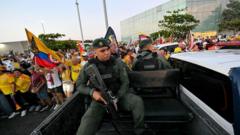
Colombia's Internal Armed Conflict Dominates Electoral Landscape
Colombia's presidential election has been fundamentally shaped by the nation's persistent armed conflict, with voters facing a stark choice between two contrasting visions for addressing the country's security crisis. The escalating violence perpetrated by drug trafficking organizations and illegal armed groups continues to define the political discourse, influencing policy proposals and campaign strategies across the electoral spectrum. Colombia's armed conflict remains central to how candidates position themselves before the electorate.
Left-Wing Senator Advocates Dialogue Approach
One frontrunner in the race is a left-wing senator who has consistently advocated for direct negotiations with criminal organizations operating throughout Colombian territory. This candidate believes that opening diplomatic channels with armed gangs represents a viable pathway toward reducing violence and addressing root causes of criminality. The senator's platform emphasizes understanding socioeconomic factors that drive gang recruitment and argues that traditional military-only approaches have failed to produce sustainable peace.
His controversial stance on gang dialogue has generated significant debate among voters and international observers. Supporters contend that negotiation-based strategies could eventually diminish gang influence and create opportunities for reintegration programs. Critics argue that engaging with criminal organizations legitimizes their presence and undermines law enforcement efforts.
Trump-Endorsed Outsider Presents Alternative Vision
Standing in opposition to this diplomatic approach is an outsider candidate who receives backing from former U.S. President Donald Trump. This candidate represents a departure from traditional Colombian political establishments and proposes more aggressive security measures. The Trump-endorsed contender advocates for hardline approaches toward criminal organizations and emphasizes strengthening military and police operations against drug trafficking networks.
This alternative vision appeals to voters concerned about escalating gang violence and seeks to project strength through expanded law enforcement operations. The candidate's international endorsement from a prominent American political figure has attracted attention both domestically and regionally, resonating with voters who prioritize security and order above other policy considerations.
Violence and Security as Electoral Centerpieces
The role of armed conflict in shaping Colombia's presidential race reflects the profound impact of ongoing violence on everyday citizens' lives. Communities affected by gang activity, drug trafficking operations, and territorial disputes between criminal organizations have made security their primary voting concern. Both candidates recognize that addressing these violence-related issues is essential to winning voter confidence.
The intensity of electoral debate surrounding gang-related violence demonstrates how deeply the armed conflict has penetrated Colombian political consciousness. Campaign messaging, policy proposals, and candidate positioning all revolve around competing strategies for combating organized crime and restoring stability.
International Context and Regional Implications
Colombia's presidential election carries significance beyond national borders, as the country's internal security situation affects regional stability throughout South America. International actors, including the United States government, have demonstrated clear interest in the election's outcome, with some publicly endorsing specific candidates.
The Trump administration's support for the outsider candidate signals Washington's preference for a more confrontational approach toward criminal organizations. This international dimension adds complexity to domestic Colombian political debates and influences how candidates craft their security and foreign policy messaging.
Electoral Stakes and Future Direction
Voters in Colombia face consequential choices regarding how their nation should address persistent armed conflict. The contrast between negotiation-focused and enforcement-focused approaches represents fundamentally different philosophies about combating organized crime. Whichever candidate prevails will likely implement significantly different strategies for managing gang violence and drug trafficking operations.
The election result will determine whether Colombia moves toward dialogue-based security policies or intensifies traditional law enforcement and military approaches. This decision carries profound implications for millions of Colombians whose safety and quality of life depend directly on how effectively the government manages armed conflict and criminal activity throughout the country.


