
Artificial Ice Pyramids Keep Mountain Villages Hydrated
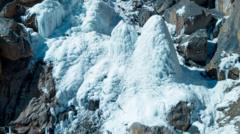
Artificial Ice Pyramids: A Lifeline for Himalayan Communities
Artificial ice pyramids represent an ingenious solution that Himalayan villages have adopted to address critical water scarcity challenges. These innovative structures, resembling frozen cones, function as modern replacements for traditional glaciers that are rapidly disappearing due to climate change. By constructing artificial ice pyramids, mountain communities ensure reliable water supplies for agricultural irrigation during the crucial spring season when crops require consistent moisture.
The concept behind artificial ice pyramids is elegantly simple yet remarkably effective. During the winter months when temperatures plummet, villagers strategically position vertical pipes in shaded mountain areas to allow freezing water to accumulate gradually. This process creates substantial cone-shaped formations of ice that melt slowly throughout spring and early summer, providing steady water flow to irrigation channels that feed agricultural fields below.
How Artificial Ice Pyramids Function in Practice
The construction of artificial ice pyramids requires minimal technical expertise and relies primarily on natural freezing conditions. Engineers and local farmers work together to identify optimal locations—typically north-facing slopes where sunlight exposure remains limited even during warmer months. Water sourced from mountain springs and streams is channeled through specially designed pipes positioned at angles that encourage ice formation while maximizing the surface area exposed to cold air.
The structural integrity of these artificial ice pyramids depends on several factors including ambient temperature, humidity levels, and water flow rate. As temperatures drop below freezing, successive layers of ice accumulate around the central water column, creating pyramidal formations that can reach heights of thirty to forty feet. This ice accumulation occurs gradually throughout winter, building reserves that become invaluable during spring when traditional water sources remain scarce.
Agricultural Impact and Spring Irrigation Solutions
For Himalayan farming communities, artificial ice pyramids have transformed agricultural productivity and crop reliability. Traditionally, mountain farmers depended entirely on natural glacier melt and seasonal precipitation to irrigate their terraced fields. However, accelerating glacier retreat due to global warming has created severe water deficits during critical growing periods. The introduction of artificial ice pyramids provides a predictable alternative water source that farmers can depend upon annually.
Spring irrigation systems fed by melting artificial ice pyramids allow villages to cultivate water-intensive crops including apples, walnuts, and vegetables. The controlled melting of these ice formations ensures consistent water availability without overwhelming irrigation channels, preventing flooding while maintaining optimal soil moisture levels. Agricultural yields in villages utilizing artificial ice pyramids have increased substantially compared to communities without these systems.
Climate Adaptation and Environmental Resilience
The development of artificial ice pyramids exemplifies how mountain communities adapt to climate change through local innovation. Rather than waiting for external governmental intervention or technological solutions, Himalayan villages have engineered practical responses utilizing their indigenous knowledge combined with modern hydraulic engineering principles. This approach demonstrates remarkable resilience and self-sufficiency among populations most vulnerable to climate disruption.
Environmental scientists recognize artificial ice pyramids as an important interim solution addressing water stress in mountainous regions. While these structures cannot permanently replace vanishing glaciers, they provide critical buffer capacity during the transition period as climate patterns continue shifting. Research indicates that properly maintained artificial ice pyramids can supplement annual water supplies by significant percentages, extending irrigation seasons and stabilizing rural economies dependent on agriculture.
Community Implementation and Future Prospects
Implementation of artificial ice pyramid projects has expanded across multiple Himalayan regions including areas in India, Nepal, and Pakistan. Local governments and non-governmental organizations increasingly support these initiatives through funding and technical assistance. Training programs now teach younger generations the specific skills required for constructing and maintaining artificial ice pyramids, ensuring knowledge transmission and long-term sustainability.
Looking forward, artificial ice pyramids represent merely one component of comprehensive climate adaptation strategies for mountain communities. Integration with traditional water harvesting techniques, improved agricultural practices, and watershed management creates synergistic effects that enhance overall resilience. As climate change accelerates, artificial ice pyramids will likely become increasingly prevalent throughout high-altitude agricultural regions worldwide, offering practical solutions where conventional approaches prove inadequate for sustaining rural livelihoods and food security.


