
Banksy Street Art Costs Taxpayers Nearly £150,000 Annually
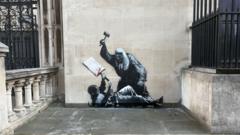
Banksy Artworks Taxpayer Costs Rise Significantly
A comprehensive investigation into Banksy artworks taxpayer costs has revealed that the protection, maintenance, and removal of street art attributed to the renowned British artist has consumed approximately £150,000 of public funds. Freedom of Information requests submitted to local authorities across the United Kingdom have exposed the financial burden that Banksy pieces place on taxpayers, with expenditures continuing to accumulate as new interventions become necessary.
Understanding the Financial Impact
The substantial amount allocated to managing Banksy artworks taxpayer costs encompasses various services including professional cleaning, protective coating applications, structural assessments, and removal procedures. Local councils have invested considerable resources in preserving certain works while simultaneously addressing community concerns about vandalism and public property maintenance. The data demonstrates that what initially appears as free street art carries hidden financial implications for residents and municipalities.
Breakdown of Expenditure Categories
The costs associated with Banksy pieces vary depending on location, artwork size, and surface condition. Many local authorities have employed specialist contractors to protect valuable murals from further deterioration or unauthorized modifications. These protective measures, while intended to preserve cultural assets, represent significant line items in municipal budgets. Additionally, some areas have invested in removing controversial or deteriorating pieces, adding further expense to the overall financial picture.
Freedom of Information Reveals Hidden Spending
The FOI requests have opened public discourse regarding the allocation of limited resources to street art management. Authorities previously unclear about their spending patterns on Banksy-related projects now face increased scrutiny from taxpayers and government watchdogs. The transparency provided by these requests has allowed citizens to understand exactly where public money flows and whether such expenditure represents sound fiscal management.
Rising Costs and Future Projections
Local authorities report that Banksy artworks taxpayer costs continue escalating as more pieces require intervention. Weather exposure, environmental factors, and deliberate vandalism necessitate ongoing maintenance contracts. Some councils project that expenses may double within the coming years unless preventive strategies are implemented more effectively. The escalating nature of these costs has prompted discussions about sustainable approaches to managing public street art assets.
Community Perspectives on Public Spending
Public opinion regarding these expenditures remains divided. Some community members view Banksy's works as valuable cultural contributions deserving of protection and maintenance, while others question whether limited municipal budgets should prioritize street art preservation over essential services. This dichotomy reflects broader societal debates about art funding, public property rights, and the definition of vandalism versus legitimate artistic expression.
Local Authority Responses
Various councils have adopted different strategies in managing their Banksy artworks taxpayer costs. Some authorities have embraced their role as custodians of culturally significant works, implementing professional conservation approaches. Others have taken more protective measures, rapidly removing pieces to prevent ongoing maintenance obligations. These varied responses highlight the complexity of balancing artistic appreciation with fiscal responsibility and property management.
The revelation of substantial public expenditure on Banksy artworks taxpayer costs represents a critical juncture in how municipalities approach street art. As Freedom of Information requests continue unveiling financial details previously hidden from public view, communities face important decisions about future resource allocation. Whether investing in preservation, accelerating removal, or developing innovative protective technologies, local authorities must carefully weigh artistic merit against taxpayer interests and budgetary constraints.


