
Bolivia's Leader Declares Emergency Amid Growing Civil Unrest
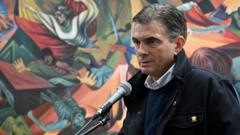
Bolivia's President Declares State of Emergency
Bolivia's president has announced a state of emergency in response to escalating tensions that have gripped the nation. The declaration of a state of emergency Bolivia represents a significant governmental intervention following prolonged periods of civil unrest and widespread public dissatisfaction with current administration policies.
Weeks of Anti-Government Protests Trigger Crisis
The decision to invoke emergency powers comes after sustained anti-government protests that have disrupted daily life across the country. These demonstrations have intensified over recent weeks, reflecting deep-seated grievances among various sectors of Bolivian society. The anti-government protests have mobilized diverse groups, from labor unions to indigenous communities, creating a unified movement against government actions.
Severe Shortages of Essential Commodities
One of the most visible consequences of the ongoing turmoil has been the acute shortage of basic goods throughout Bolivia's markets and supply chains. Citizens report difficulty obtaining essential items, from food staples to fuel and medications. This scarcity of basic goods has compounded public frustration, as families struggle with increased prices and limited availability of necessities. The disruption to commercial activities and transportation networks has paralyzed normal economic operations in many regions.
Government Response and Emergency Measures
The declaration of emergency measures signals the government's intention to restore order and address the humanitarian concerns facing Bolivian citizens. State authorities have indicated plans to mobilize resources to alleviate the shortages and stabilize the security situation. These emergency protocols typically grant expanded governmental authority to implement rapid interventions without the usual legislative constraints, though such measures often remain controversial among rights advocates.
Impact on Daily Life and Economic Activities
The prolonged civil unrest has severely impacted Bolivia's economy and citizens' quality of life. Businesses remain closed, transportation routes face blockades, and essential services experience interruptions. Healthcare facilities struggle with supply limitations, while education institutions have suspended operations in affected areas. The ripple effects of these disruptions extend beyond immediate shortages, threatening long-term economic stability and investor confidence in the nation.
Public Sentiment and Future Outlook
Public opinion remains deeply divided regarding the government's response to the crisis. While some citizens support strong measures to restore normalcy, others view the emergency declaration with skepticism, fearing potential abuses of expanded governmental power. Political analysts suggest the situation reflects broader structural issues within Bolivia's governance system that may require sustained dialogue and comprehensive reform efforts beyond emergency interventions. The international community closely monitors developments, with several nations expressing concern about the humanitarian dimensions of the ongoing crisis.


