
Brazil Seeks Elite Form as World Cup Competition Intensifies
Brazil's Ongoing Search for Championship Excellence
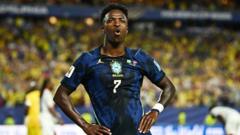
Brazil World Cup performance has become a central topic of discussion among analysts and football enthusiasts following the team's mixed results during the tournament in the United States. Despite securing a commanding 3-0 victory against Haiti, the Seleção continues to face scrutiny regarding their overall consistency and ability to execute their traditional attractive style of play at the highest levels of international competition.
The contrast between Brazil's performances and those of their continental rivals has become increasingly apparent throughout the tournament. While neighboring teams have demonstrated exceptional form and tactical discipline, Brazil World Cup campaign shows signs of incomplete preparation and occasional lapses in execution that have prevented them from reaching the dominant standard expected from one of football's most prestigious football programs.
Contrasting Performances Among Top Contenders
Argentina has emerged as one of the tournament's most impressive sides, displaying remarkable tactical coherence and clinical finishing. Their progression through matches has been characterized by methodical play and decisive moments that have garnered widespread praise from international football commentators. The Argentine team appears to have found the perfect balance between defensive solidity and creative attacking prowess.
France, meanwhile, has demonstrated why they remain among the world's elite football nations. Their performances showcase a blend of experienced leadership and youthful exuberance, creating a dynamic that has proven difficult for opposing teams to contain. The French squad exhibits the kind of championship mentality that comes from recent success and sustained excellence at the international level.
Brazil's Haiti Victory and Broader Tournament Context
The 3-0 triumph over Haiti, while undoubtedly impressive in terms of the final scoreline, has not substantially silenced questions about Brazil's overall tournament form. Victory against lesser-ranked opposition, though essential for accumulating points, does not necessarily indicate the team has discovered the cohesion and attacking brilliance characteristic of previous Brazilian World Cup campaigns.
Haiti represented minimal resistance in the competition's structure, and the comfortable margin of victory provided temporary relief rather than lasting confidence regarding the Seleção's capacity to compete with football's elite performers. This distinction between winning and convincing performance has become particularly relevant as the tournament enters its most demanding phases.
What Brazil Needs for Sustained Success
For Brazil to establish themselves as genuine World Cup contenders comparable to Argentina and France, the coaching staff must address several critical tactical and mental components. The team requires renewed emphasis on maintaining possession with purposeful intent rather than aimless circulation, combined with improved execution in the final third of the pitch.
Physical conditioning and match fitness appear to be additional areas requiring attention. Brazil's players must sustain their intensity throughout complete ninety-minute contests while avoiding the fatigue-related errors that have occasionally surfaced during their tournament matches. Mental concentration during critical moments has also emerged as a developmental focus area for continued improvement.
Tournament Momentum and Future Fixtures
The psychology of tournament football dictates that sustained success builds confidence and creates momentum heading into knockout stages. Brazil World Cup aspirations depend heavily on establishing a consistent winning pattern that demonstrates the team has solved the technical and tactical challenges that have previously limited their performances during this competition.
Upcoming fixtures will prove crucial in determining whether the Seleção can generate the form necessary to challenge for ultimate supremacy. Each match provides an opportunity to refine understanding between teammates, establish defensive reliability, and develop attacking variations that can trouble superior defensive units. The tournament's structure means that continued inconsistency could prove costly when matches against top-ranked opponents arrive.
Expectations Versus Current Reality
Brazil enters World Cup tournaments carrying significant historical weight and elevated expectations. Previous generations of Seleção teams captured global imagination through their technical brilliance, tactical innovation, and capacity to perform under pressure. Current expectations reflect this legacy, making comparative assessment against peer nations inevitable.
The gap between expectations and current performances has created understandable frustration among supporters who anticipate dominance from their national squad. Coaching decisions, player selection, tactical formations, and training methodologies continue to be subjects of intense public debate and analysis among Brazilian football communities and international observers.
Ultimately, Brazil World Cup success requires coordinated improvement across multiple performance dimensions rather than reliance on individual matches against weaker opponents. As the tournament progresses toward its climactic stages, the Seleção's ability to synthesize their technical capabilities into sustained, convincing performances will determine their championship prospects and whether their campaign fulfills the considerable expectations held by the nation.


