
Brook Shows Promise Like Gower and Pietersen Yet Lacks Captain Credentials
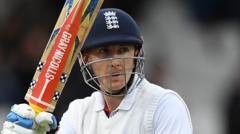
Brook's Exceptional Talent Mirrors Cricket Legends
England's rising batting prospect Harry Brook has captured widespread attention with performances that echo the brilliance of former cricket icons. According to cricket commentator Jonathan Agnew, Brook possesses the technical and mental attributes comparable to legendary batsmen such as David Gower and Kevin Pietersen. However, this exceptional ability as a Test batsman does not necessarily translate into readiness for the demanding role of captaincy, as Agnew carefully notes in his recent analysis of the young player's trajectory.
The question of whether Harry Brook England captain material has become increasingly relevant as the team navigates leadership transitions. While his technical prowess and match awareness suggest potential for future consideration, current circumstances suggest the timing remains premature for such a significant responsibility.
Headingley Performance Sets Batting Standards
Brook's recent innings at Headingley provided a compelling demonstration of the batting excellence that defines his approach to Test cricket. The performance on this traditionally challenging Yorkshire venue showcased the qualities that Agnew identifies as essential blueprints for sustained success. His technique, application, and ability to construct meaningful innings under pressure demonstrated why comparisons to Gower and Pietersen, two of England's greatest batsmen, carry considerable weight.
This particular knock at Headingley served multiple purposes beyond the immediate match context. It illustrated how Brook can adapt to varying pitch conditions while maintaining aggressive intent. The innings reflected an maturity beyond his years, yet also highlighted areas where continued development remains necessary before assuming leadership duties.
Readiness Gap Between Excellence and Leadership
Jonathan Agnew's assessment presents an important distinction that often goes overlooked in cricket discussions. Exceptional batting ability, even when compared to Hall of Fame caliber players, does not automatically qualify a cricketer for the complexities inherent in captaincy. The role demands far more than personal technical excellence; it requires strategic acumen, temperament management, and the ability to make decisions affecting eleven teammates.
The notion that England should consider Harry Brook England captain must account for his relative inexperience in leadership roles. While his individual performances continue to impress selectors and fans alike, the broader picture reveals a player still developing his comprehensive understanding of the game's strategic dimensions.
Future Prospects and Timeline Considerations
Agnew's commentary suggests that Brook should concentrate on refining his batting template established at Headingley rather than immediately pursuing captaincy opportunities. This measured approach recognizes his current value as a specialist batsman while acknowledging that future captain considerations remain possible should circumstances evolve.
The comparison to Gower and Pietersen carries implications beyond immediate performance metrics. Both legendary batsmen faced different paths toward leadership, with varying degrees of success when assuming captaincy responsibilities. Brook's journey may benefit from similar patience, allowing his tactical understanding and leadership qualities to develop naturally through competitive experience rather than accelerated appointment.
Strategic Development Path Forward
Moving forward, England's cricket hierarchy faces decisions about Brook's role in the broader Test team structure. His performances demonstrate why he commands attention as a batting prospect, yet the leadership question requires separate evaluation. Agnew's perspective provides valuable context for selectors navigating these complex decisions about which players deserve which responsibilities.
The convergence of Brook's exceptional talent with questions about captaincy readiness reflects broader themes in modern cricket about balancing specialist excellence with leadership demands. England's cricket authorities must weigh his obvious batting credentials against the very real demands that captaincy positions impose on individual players.
In conclusion, while Harry Brook England captain considerations may emerge eventually, the present moment emphasizes consolidating his batting excellence and broader cricket education. His Headingley performance provides an excellent foundation upon which future development can build, potentially leading toward expanded responsibilities as experience accumulates and leadership qualities mature.


