Burnham Demands Fresh Direction as Starmer Refuses Leadership Challenge

Burnham Calls for New Path as Leadership Tensions Mount
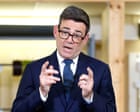
Andy Burnham has reiterated calls for a new direction within the Labour party, while Prime Minister Keir Starmer has reaffirmed his commitment to fighting off any potential leadership challenge. The leadership challenge tensions have intensified following ongoing political developments, with senior figures within the party expressing contrasting visions for the party's future trajectory and strategic approach.
The developments surrounding the leadership challenge represent a significant moment for Labour's internal dynamics. Starmer's firm stance against stepping aside contrasts sharply with suggestions from prominent party figures that a change in leadership might benefit the organization's electoral prospects and internal cohesion.
Party Divisions Over Leadership Direction
Senior Labour figures remain divided over the party's current path and leadership stability. Former cabinet minister David Blunkett has publicly suggested that Starmer should consider stepping down, particularly in light of recent party developments. Blunkett indicated during a television interview that such a move might represent the optimal outcome for Labour's future, regardless of specific electoral outcomes.
The former minister's comments underscore deeper concerns within party ranks about current strategic direction and leadership effectiveness. Multiple senior figures have begun privately discussing contingency scenarios, though public statements from the Prime Minister's office emphasize his determination to remain in post and guide the party forward through current challenges.
Starmer Reaffirms Leadership Commitment
Prime Minister Keir Starmer has made explicit commitments to resist any attempts to dislodge his leadership position. His statements directly contradict suggestions from various party figures that leadership transition might serve broader party interests. Starmer's allies have characterized his resolve as essential for maintaining government stability and preventing destabilization during a critical policy implementation period.
The Prime Minister's position reflects confidence in his leadership approach and policy agenda. Senior government figures have rallied behind Starmer, emphasizing the importance of continuity and suggesting that internal party focus should remain on delivering policy objectives rather than engaging in leadership speculation.
Burnham's Vision for Party Transformation
Andy Burnham's calls for a new path forward signal his belief that Labour requires fundamental strategic recalibration. Burnham has positioned himself as an advocate for substantial change, suggesting that the current trajectory does not adequately address party members' concerns or electoral imperatives. His messaging emphasizes renewal and fresh approaches to governance and policy delivery.
Burnham's team has characterized this moment as one of significant opportunity for the party to reset priorities and reconnect with core supporters. The Greater Manchester mayor's statements have resonated with party members seeking alternative visions and more transformative approaches to Labour's political agenda.
Internal Party Dynamics and Speculation
The leadership challenge atmosphere has generated considerable speculation within Westminster and party structures about potential succession scenarios. Various senior figures have been mentioned in discussions regarding hypothetical leadership transitions, though most have avoided explicit statements about leadership ambitions or intentions.
Political observers note that such leadership tensions typically emerge during periods of perceived underperformance or when senior figures become dissatisfied with strategic direction. The current situation reflects both personality conflicts and substantive disagreements about policy priorities, electoral strategy, and party positioning within the broader political landscape.
The Makerfield Byelection Context
Recent developments have gained particular significance following electoral contests and party performance evaluations. The Makerfield byelection has served as a focal point for internal party discussions about leadership effectiveness and strategic viability. Electoral outcomes and party performance metrics have influenced perceptions of leadership credibility within senior circles.
The byelection context has amplified internal party discussions about whether current leadership approaches adequately address voter concerns and electoral challenges. Senior figures have privately assessed whether leadership changes might improve party electoral prospects in subsequent contests.
Looking Forward: Leadership Stability Questions
Going forward, whether Starmer can consolidate support and silence leadership speculation remains uncertain. His allies have suggested that demonstrating policy success and electoral improvements could definitively resolve current internal questions about leadership viability. The Prime Minister has emphasized his intention to focus government efforts on substantive policy delivery.
The unfolding situation within Labour reflects broader patterns of internal party tension during periods of electoral or policy challenges. Observers will continue monitoring whether current tensions stabilize or intensify in subsequent weeks. The party's ability to resolve these internal divisions while maintaining coherent messaging and policy focus will likely determine political impact and public perception of Labour's organizational health.