
Canada Must Confront US Trade Pressure, Manitoba Leader Warns
Canada Faces Critical Trade Negotiations with United States
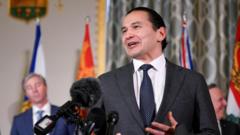
As a significant Canada US trade deadline looms on the horizon, provincial leadership is expressing increasingly firm positions on how the nation should approach negotiations with its southern neighbor. Manitoba Premier Wab Kinew has made clear statements suggesting the country should adopt a more assertive stance in defending its economic interests during these crucial discussions.
Premier Kinew's Strong Position on Trade Defense
The premier's recent commentary underscores the complexity that Prime Minister Mark Carney faces when attempting to build consensus among Canadians regarding a potential comprehensive trade arrangement. Kinew's remarks indicate that provincial governments are prepared to take a harder line on protecting provincial and national interests, rather than accepting terms that might disadvantage Canadian workers and businesses.
These statements reflect broader concerns across Canada about the terms being negotiated and whether any eventual agreement would serve the country's long-term economic wellbeing. The Canada US trade deadline has become a focal point for domestic political pressure, with various stakeholders voicing their positions on how aggressively negotiators should pursue their objectives.
Political Challenges for Prime Minister Carney
Mark Carney's position as Prime Minister has been complicated by the need to balance competing interests from multiple provinces, business sectors, and labor groups. Securing buy-in from Canadian citizens on any potential trade deal represents a formidable political challenge, particularly when influential provincial leaders are publicly calling for a more confrontational approach to negotiations.
The Canada US trade deadline creates a sense of urgency, but Carney must also manage the domestic political landscape carefully. Public opinion on trade deals remains divided, with concerns about job displacement, agricultural impacts, and intellectual property protections all factoring into how Canadians view potential agreements with the United States.
Provincial Perspectives Shape National Strategy
Manitoba's premier is not acting in isolation; other provinces have also begun signaling their own red lines and priorities. This fragmented approach to trade negotiations reflects the federal nature of Canadian governance, where provincial concerns must be accommodated even as the federal government negotiates with foreign powers.
Kinew's call for Canada to "fight" in these negotiations suggests that accepting preliminary proposals or making early concessions may not be in the cards. Instead, provincial leadership appears committed to ensuring that any agreement with the United States reflects Canadian values and protects Canadian economic sectors from potential harm.
Timeline Pressures and Strategic Considerations
The approaching Canada US trade deadline adds considerable pressure to negotiations. Both countries face incentives to reach a deal before the deadline, but this timeline can also be leveraged strategically by negotiators who are willing to hold firm on key issues. Kinew's public statements appear designed to reinforce Canada's negotiating position by demonstrating that there is significant domestic political support for maintaining a tough stance.
Understanding the interconnections between provincial interests, federal authority, and international negotiations is essential for comprehending the current situation. Mark Carney must demonstrate that any eventual agreement benefits not just the nation as a whole, but also respects the specific economic concerns of individual provinces like Manitoba.
Looking Forward: Building Consensus
As discussions continue toward the Canada US trade deadline, the real challenge lies in constructing a consensus that can withstand public scrutiny. Carney's ability to persuade Canadians that a trade deal serves their interests will ultimately determine whether such an agreement can be successfully implemented and maintained through subsequent elections and political changes.


