
China Evacuates Two Million as Second Typhoon Strikes Eastern Region
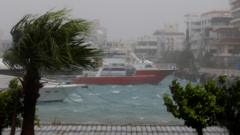
China Typhoon Landfall Triggers Massive Evacuation
China's second powerful typhoon in the span of just one week has made landfall, triggering an unprecedented China typhoon landfall emergency that has forced authorities to evacuate nearly two million residents from the eastern Zhejiang province. The storm system poses a significant threat to one of China's most densely populated coastal regions, with the historic city of Wenzhou positioned dangerously close to the projected path of the destructive weather system.
Evacuation Scale and Response Efforts
The magnitude of the evacuation operation represents one of the largest displacement efforts in recent months. Nearly two million people have been relocated from vulnerable areas across eastern Zhejiang province as governmental agencies work around the clock to ensure public safety. Local authorities have implemented comprehensive evacuation protocols, establishing temporary shelters and emergency response centers throughout the region to accommodate displaced residents.
Wenzhou's Critical Situation
The port city of Wenzhou, a major economic hub in Zhejiang province, remains particularly vulnerable due to its proximity to the typhoon's projected path. City officials have implemented heightened alert status, with residents in flood-prone areas advised to move to designated safe zones. The threat to Wenzhou underscores the severity of this China typhoon landfall event, as the city plays a crucial role in the region's economy and infrastructure networks.
Sequential Typhoon Events Impact
This marks the second significant typhoon to impact eastern China within a seven-day period, creating compounded challenges for disaster management officials. The rapid succession of these extreme weather events has strained resources and infrastructure, leaving communities with limited time to recover between storm systems. Meteorological experts have attributed the increased frequency of such events to broader climate pattern changes affecting the western Pacific region.
Emergency Preparedness Measures
Provincial authorities have mobilized emergency response teams, disaster management agencies, and military personnel to support evacuation operations and provide humanitarian assistance. Hospitals and medical facilities have been placed on heightened alert to handle potential casualties and weather-related injuries. Transportation networks have been secured, with flights suspended and ferry services halted to prevent accidents during hazardous weather conditions.
Infrastructure and Environmental Concerns
Beyond human displacement, the successive typhoons threaten critical infrastructure including power grids, water supply systems, and communication networks. Damage to agricultural areas remains a significant concern, with crops and farming operations vulnerable to severe weather impacts. Environmental protection agencies are monitoring potential flooding in rivers and coastal areas that could cause secondary disasters.
Long-term Implications
The occurrence of two major typhoons within one week raises concerns about climate resilience and urban planning in coastal Chinese provinces. Regional authorities are likely to review and strengthen disaster preparedness frameworks to better handle such climate-related emergencies in the future. The experiences gained from this China typhoon landfall situation will inform policy decisions regarding early warning systems and evacuation procedures.


