Clacton Byelection Polls Close With Farage Facing Rival Candidates
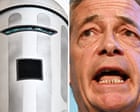
Clacton Byelection Concludes With Record-Breaking Ballot
The Clacton byelection has officially concluded after polling stations across the Essex constituency closed their doors, marking a significant moment in the Clacton byelection process. This extraordinary election featured one of the longest ballots in United Kingdom voting history, with residents casting votes across an unprecedented array of candidates representing mainstream political parties, independent figures, and notable fringe personalities.
The Clacton byelection drew considerable attention due to the exceptional number of candidates who registered to stand, transforming what would typically be a routine electoral procedure into an unusual spectacle of British democracy. Among the most recognizable names appearing on the ballot were Count Binface, known for his theatrical appearances in previous elections, and Howling Laud Hope, a seasoned fringe candidate with a long history of electoral participation.
Farage's Campaign and Political Context
Reform UK leader Nigel Farage positioned himself as the frontrunner in this contest, campaigning vigorously throughout the Clacton constituency. Farage had vacated his parliamentary seat at the beginning of July, personally orchestrating the circumstances that triggered this byelection. His decision to resign and force this electoral contest emerged from escalating controversy surrounding allegations that he had received inappropriate gifts, accusations that intensified public scrutiny and media attention.
The Clacton byelection represented Farage's attempt to reset his political standing and address mounting criticism regarding his conduct. By resigning his seat and immediately fighting to reclaim it, the Reform UK leader sought to demonstrate electoral validation and defuse the growing scandal that threatened to undermine his political authority and credibility within his party.
The Unprecedented Ballot Composition
What distinguished the Clacton byelection from virtually all previous British electoral contests was the sheer volume of candidates who filed nomination papers and met the legal requirements for candidacy. The resulting ballot paper became historically lengthy, requiring voters to navigate through an exceptional range of choices spanning the full spectrum of British political representation.
Traditional candidates representing Labour, Conservative, Liberal Democrat, and Green parties competed alongside numerous independent contenders and individuals representing smaller political movements. This diverse field transformed the Clacton byelection into a peculiar microcosm of modern British electoral culture, attracting national media interest and unprecedented levels of public curiosity about who would ultimately prevail in such an unconventional electoral environment.
Electoral Significance and Regional Importance
The Clacton constituency holds considerable political significance within Essex and across the broader United Kingdom political landscape. As a traditional seat, Clacton has demonstrated particular receptiveness to populist and anti-establishment political messaging in recent election cycles. The dynamics surrounding this byelection reflected deeper tensions within contemporary British politics regarding representation, populism, and voter dissatisfaction with conventional political establishments.
For Reform UK and Farage specifically, the Clacton byelection outcome carried substantial implications for the party's trajectory and Farage's political future. A successful retention of the seat would vindicate his decision to resign and contest the byelection, potentially strengthening his position within Reform UK and reinforcing the party's claim to represent a significant segment of the British electorate dissatisfied with traditional mainstream parties.
Broader Electoral Context
The Clacton byelection emerged during a period of significant political volatility in the United Kingdom. Public confidence in traditional political institutions has faced sustained challenges, with voters increasingly willing to experiment with alternative political movements and unconventional candidates. The proliferation of fringe candidates willing to contest the Clacton byelection, including established personalities like Count Binface and Howling Laud Hope, reflected this broader cultural shift toward treating electoral contests as platforms for protest, satire, and alternative political expression.
As voting concluded and results awaited tabulation, the Clacton byelection stood as a remarkable testament to the unpredictability and evolving character of contemporary British electoral politics. Whether the outcome would vindicate Farage's controversial decision to resign his seat or produce an entirely unexpected result remained to be determined as counting procedures commenced.