
Colombia Earthquake Kills 180 People as Rescue Teams Race Against Time
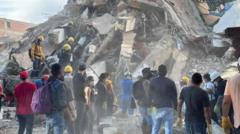
Devastating Colombia Earthquake Claims 180 Lives
A powerful Colombia earthquake has left rescue teams in a critical race against time as the death toll climbs to 180 people. The catastrophic seismic event has triggered widespread devastation across affected regions, with emergency responders working around the clock to locate and extract survivors from the wreckage of collapsed structures and damaged infrastructure.
Ongoing Rescue Operations Continue
Rescue teams have been mobilized across the disaster zone to conduct search and rescue missions throughout the affected areas. The Colombia earthquake's impact has been profound, with numerous buildings reduced to rubble and countless individuals still unaccounted for. Emergency personnel from multiple agencies are coordinating efforts to access trapped survivors before the critical first 72-hour window closes.
Multiple Aftershocks Complicate Recovery Efforts
Tuesday saw a series of significant aftershocks following the initial Colombia earthquake, creating additional hazards for rescue teams and raising safety concerns about the structural integrity of partially damaged buildings. These secondary seismic tremors have forced rescuers to exercise extreme caution while extracting survivors, as unstable debris poses ongoing threats to both victims and emergency responders. The unpredictable nature of these aftershocks has required constant reassessment of rescue strategies and tactical approaches.
Safety Challenges for Rescue Personnel
The unstable conditions created by the Colombia earthquake have made rescue operations exceptionally dangerous. Structural engineers are being deployed to evaluate building integrity before teams can safely enter affected structures. The combination of collapsed debris, unstable walls, and continuing aftershocks means that each rescue operation must be carefully planned and executed with precision to prevent additional casualties among the response teams.
Community Impact and Displacement
The Colombia earthquake has displaced thousands of residents who have lost their homes and possessions in the disaster. Temporary shelters and relief centers have been established to provide emergency housing, food, and medical assistance to those affected. The psychological toll on survivors and families searching for missing loved ones remains substantial as the disaster unfolds.
International Support and Resources
Response to the Colombia earthquake has attracted international attention, with neighboring countries and global organizations offering humanitarian assistance. Additional rescue teams, medical supplies, and specialized equipment have been dispatched to supplement local response efforts. International expertise in disaster recovery is being mobilized to support Colombia's emergency services in their critical mission.
Healthcare System Response
Medical facilities throughout the affected regions have been overwhelmed with casualties resulting from the Colombia earthquake. Hospitals are operating at maximum capacity, with emergency departments treating crush injuries, fractures, and trauma-related conditions. Medical personnel have been recalled to duty, and field hospitals are being established to handle the surge in patient volume.
Ongoing Assessment of Damage
Preliminary assessments indicate that the Colombia earthquake has caused extensive structural damage to residential, commercial, and government buildings. Infrastructure networks including roads, bridges, and utilities have sustained significant damage, further complicating rescue and relief operations. Engineers are working to restore critical services while simultaneously supporting emergency response activities.
Search and Rescue Timeline
The critical first hours following the Colombia earthquake represent the best opportunity to locate and rescue survivors from collapsed structures. Rescue teams are prioritizing areas with the highest concentration of victims, working methodically through rubble piles and building remnants. The race against time remains paramount as the survival rate for trapped individuals decreases substantially after the initial 72-hour period.
Future Recovery Planning
As immediate rescue operations continue, authorities are beginning to consider longer-term recovery and reconstruction efforts necessitated by the Colombia earthquake. Government officials are assessing damage to infrastructure and developing plans for rebuilding devastated communities. The long-term recovery process will require sustained commitment and resources from both local and international sources to restore affected regions to normalcy.


