
Could AI Transform or Threaten Stanford University Graduates' Futures?
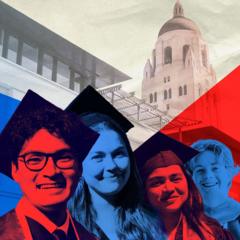
Stanford Alumni Voice Concerns and Hopes About Artificial Intelligence
A recent investigation into the views of artificial intelligence among Stanford University graduates reveals a complex landscape of opinions about technology's trajectory. Artificial intelligence Stanford graduates have become increasingly vocal about how emerging technologies may reshape their professional landscapes and career prospects in unexpected ways.
The conversations between media representatives and alumni from one of America's most prestigious institutions highlight the tension between opportunity and uncertainty that defines the current technological era. These graduates, who earned their degrees from an institution renowned for innovation and technological advancement, find themselves grappling with questions that extend far beyond traditional academic discourse.
Divergent Perspectives on AI's Professional Impact
Stanford graduates express notably different viewpoints when discussing artificial intelligence and its potential consequences. Some view AI development as an inevitable progression that will create entirely new career categories and industries. Others express measured skepticism about whether educational credentials alone will remain valuable as automation becomes increasingly sophisticated.
The testimonies collected paint a picture of young professionals navigating considerable uncertainty. Many acknowledge that their Stanford degree opened doors in competitive industries, but they question whether the same doors will remain open for future generations entering a landscape fundamentally altered by AI advancement.
Career Trajectory Concerns Among Recent Graduates
A significant concern emerges repeatedly in discussions with alumni: the question of workforce displacement. Graduates who specialized in fields traditionally associated with analytical work express particular apprehension. They recognize that artificial intelligence systems increasingly handle tasks that previously required human expertise and years of specialized training.
However, this concern coexists with optimism among graduates pursuing AI-related fields themselves. Those working in machine learning, data science, and related disciplines express confidence that specialized knowledge and human judgment will remain essential for guiding technological development and implementation.
The Value of Elite Education in an AI-Driven Economy
Stanford's reputation rests partly on its ability to prepare graduates for leadership in emerging fields. Yet conversations with alumni raise important questions about whether traditional educational advantages will continue conferring the same professional benefits. Some graduates suggest that adaptability and continuous learning may become more valuable than initial credentials.
Others argue that Stanford's strongest asset remains its network and the caliber of individuals it attracts. These human connections, they contend, will maintain their value even as specific technical skills become obsolete or automated. The university's proximity to Silicon Valley and its deep connections within the technology industry provide continued advantages that transcend any single technology or skill set.
Specific Concerns About Job Market Competition
Graduate perspectives reveal anxiety about competition intensifying as AI tools become democratized. When advanced artificial intelligence systems become accessible to broader populations, some worry that the competitive advantages provided by an elite education diminish proportionally. The exclusivity that once characterized Stanford's value proposition may erode as technology levels playing fields.
Conversely, other alumni note that access to powerful tools has historically benefited those with the training to use them most effectively. They contend that Stanford graduates possess not just technical knowledge but also strategic thinking capabilities that distinguish them in an AI-augmented workplace.
Looking Forward: Adaptation and Opportunity
Despite the uncertainties, most graduates express cautious optimism about their personal trajectories. They recognize that artificial intelligence will undoubtedly reshape industries, but they also understand that human creativity, judgment, and interpersonal skills will remain in demand across most sectors.
Many Stanford alumni have begun proactively engaging with AI technologies rather than resisting them. They view education as an ongoing process rather than something concluded at graduation. This adaptive mindset, perhaps more than any specific skill, may represent the most valuable asset their Stanford education instilled.
Industry-Specific Implications
Different sectors face distinct challenges and opportunities regarding artificial intelligence implementation. Financial services professionals worry about algorithmic trading and automated analysis. Healthcare graduates anticipate significant changes in diagnostic work but see expanded opportunities for physicians who can effectively partner with AI systems. Creative professionals express both concern and intrigue about generative AI's capabilities and limitations.
The consensus among graduates across industries remains that transformation is inevitable, but the nature of that transformation depends significantly on choices made by technologists, policymakers, and business leaders in coming years.
Conclusion: Navigating Uncertainty with Education as Foundation
Stanford University graduates demonstrate a sophisticated understanding of artificial intelligence's potential and pitfalls. While they acknowledge real concerns about workforce disruption and competitive advantage erosion, they also recognize opportunities embedded within technological transformation. Whether artificial intelligence ultimately helps or hinders their careers may depend less on the technology itself than on their willingness to adapt, learn continuously, and leverage the distinctive advantages their education provides.


