Court Overturns Drumcree March Ban Amid Sectarian Tensions
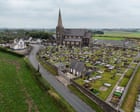
Court Decision Reignites Drumcree March Controversy
A significant Drumcree march ruling has once again thrust Northern Ireland's most contentious annual dispute into the spotlight. The High Court has quashed the latest restriction imposed on the Orange Order's march through the predominantly nationalist Garvaghy Road area near Portadown in County Armagh, reigniting fierce political tensions and raising alarm bells about potential sectarian confrontation during the upcoming marching season.
This judicial decision marks a dramatic reversal of more than a decade of relative calm surrounding what was once Northern Ireland's most volatile flashpoint. The Drumcree march ruling has immediately triggered calls for renewed dialogue and warnings from community leaders about the possibility of renewed violence, marking a significant shift in the region's delicate political balance.
A History of Conflict and Uneasy Peace
The Drumcree dispute centers on the Orange Order's traditional route through the Garvaghy Road, a march that became synonymous with sectarian violence and political turmoil throughout the 1990s and early 2000s. What began as a cultural tradition transformed into a symbol of wider communal division, with each summer's marching season becoming a flashpoint for confrontations between Orangemen and police, followed by murderous sectarian violence that rippled across Northern Ireland.
For nearly two decades, an informal understanding had brought a degree of stability to the situation. The region had gradually moved away from the pitched battles that once characterized the summer months, replacing conflict with a fragile de facto truce that allowed both communities to coexist without major incidents. This uneasy peace, while imperfect, represented significant progress in a region scarred by decades of violence.
The Current Legal Challenge
The latest Drumcree march ruling represents a fundamental challenge to this established arrangement. By quashing the court-imposed restriction that had effectively prevented the march from proceeding along its traditional route, the High Court has opened the door to renewed confrontation. The decision has immediately sparked concern among political leaders, community representatives, and security forces who have worked tirelessly to maintain the equilibrium that has kept the peace.
Legal experts note that the judgment appears to prioritize the Orange Order's right to march over restrictions designed to protect public order and prevent sectarian violence. This interpretation has alarmed nationalist communities who view the march as a provocative assertion of Protestant dominance in their neighborhood and a breach of the understanding that had been carefully maintained.
Political Ramifications and Community Concerns
The implications of this Drumcree march ruling extend far beyond a single march on a single road. The decision threatens to destabilize the fragile political consensus that has governed the marching season for the past two decades. Nationalist politicians have expressed deep concerns about what they perceive as a failure to protect minority interests, while unionists have celebrated the court's recognition of cultural freedom and traditional rights.
Community organizations on both sides of the divide have warned of potential violence. Historical precedent suggests that any march along the Garvaghy Road could trigger reactive violence elsewhere in Northern Ireland, as sectarian groups have historically used such confrontations as catalysts for broader campaigns of intimidation and assault.
Looking Toward the Marching Season
As the annual marching season approaches, security forces are reviewing their operational strategies in light of the Drumcree march ruling. The PSNI and other law enforcement agencies face the unenviable task of facilitating a march that one community views as a fundamental right while protecting the safety and dignity of another community that considers it a violation of their space and peace.
The decision has prompted urgent calls for political intervention at both local and national levels. Political leaders from across the spectrum recognize that allowing the situation to develop without dialogue could result in a return to the dark days that characterized the height of the Drumcree dispute, when communities were divided by barricades and violence became routine.
A Test for Northern Ireland's Peace Process
Ultimately, this Drumcree march ruling represents a critical test of Northern Ireland's broader peace process and the institutions designed to protect communal coexistence. The challenge now lies in finding a solution that acknowledges the legitimate concerns of all parties while preventing a return to sectarian violence. Whether political dialogue can achieve what courts have been unable to do remains a pressing question for a region that has invested so much in moving beyond its troubled past.