
Critical Technology Faces Heat Vulnerability Risk in 2024
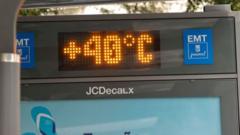
Understanding Heat Vulnerability in Critical Technology
Heat vulnerability technology represents one of the most pressing challenges facing modern infrastructure worldwide. As global temperatures continue to rise, essential systems including energy grids and train services face unprecedented risks from thermal stress and operational failures.
Energy Grids at Risk from Extreme Temperatures
Power distribution networks demonstrate significant heat vulnerability across multiple continents. During peak summer months, electricity demand surges while transmission line capacity diminishes due to thermal expansion and reduced cooling efficiency. This paradox creates dangerous supply gaps during critical periods when citizens depend most heavily on air conditioning and cooling systems.
Transformers and high-voltage equipment operate less efficiently at elevated temperatures, reducing their capacity to deliver adequate power. Cable insulation degrades faster in extreme heat conditions, shortening equipment lifespan and increasing maintenance costs. Some power plants must reduce output during heat waves because cooling water temperatures exceed optimal operational parameters.
Regional Impact on Power Infrastructure
European energy operators have reported substantial losses during recent heat events. Hydroelectric facilities face challenges when water levels drop and temperatures become unsuitable for normal operations. Coal and nuclear plants similarly struggle with cooling system limitations during thermal extremes.
Railway Systems and Heat Vulnerability Challenges
Train services worldwide experience growing disruptions linked to heat vulnerability of rail infrastructure. Steel rails expand under intense solar radiation, potentially causing buckling and track misalignment that threatens passenger safety and service reliability.
Overhead electrical lines that power trains sag and lose contact with pantographs during extreme heat events. Signal systems malfunction when electronic components overheat beyond designed specifications. Switching mechanisms jam or respond sluggishly, creating bottlenecks throughout rail networks.
Operational Consequences for Transit Systems
Major rail operators implement mandatory speed restrictions when temperatures exceed critical thresholds. These safety measures prevent accidents but reduce service frequency and passenger capacity. Journey times lengthen considerably, affecting commuters and freight transport schedules.
Technology Infrastructure Vulnerabilities
Data centers and telecommunications equipment face heat vulnerability issues that impact digital services. Server cooling systems operate at maximum capacity during heat waves, consuming enormous quantities of electrical power while struggling to maintain optimal temperatures. Backup cooling systems sometimes fail, causing unexpected service outages.
Network equipment generates substantial heat during peak usage periods. Fiber optic cables degrade when exposed to prolonged temperature exposure. Semiconductor components operate with reduced performance margins when thermal conditions exceed design specifications.
Economic and Social Implications
The heat vulnerability of critical technology creates cascading economic consequences. Business interruptions result from power outages and transportation delays. Healthcare facilities struggle when cooling systems fail during heat emergencies. Hospital operations become compromised precisely when demand for emergency services peaks due to heat-related illnesses.
Supply chain disruptions occur when rail freight services experience frequent interruptions. Manufacturing productivity declines when factories must reduce operations to prevent equipment damage. Industrial equipment failures require expensive repairs and replacement cycles.
Adaptation and Future Solutions
Infrastructure operators invest increasingly in heat-resistant technologies and improved cooling systems. Enhanced materials science produces cables and equipment rated for higher temperature ranges. Upgraded power systems distribute loads more effectively during peak demand periods.
Smart grid technology enables real-time monitoring and dynamic response to thermal stress. Vegetation management around power lines reduces solar radiation absorption. Improved forecasting systems predict heat events earlier, allowing preemptive operational adjustments.
Railway infrastructure upgrades address heat vulnerability through expanded switch mechanisms, improved track materials, and enhanced cooling for electronic systems. Comprehensive infrastructure resilience planning considers climate adaptation as essential investment.
Conclusion
Heat vulnerability of critical technology demands immediate attention from policymakers, infrastructure operators, and technology developers. Energy grids, train services, and digital infrastructure require substantial investments in heat-resistant design and operational improvements. Addressing these challenges protects essential services that millions depend upon daily.


