
CrossCountry Named Britain's Worst Train Operator by Transport Focus
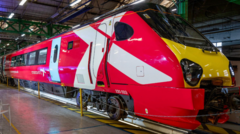
CrossCountry Ranked as Britain's Worst Train Operator
CrossCountry has been designated as Britain's worst train operator according to a comprehensive assessment by Transport Focus, the independent statutory watchdog for transport users in Great Britain. This significant ranking underscores ongoing concerns about service reliability and passenger experience on the rail network operated by this major transportation provider.
The designation of CrossCountry as the worst train operator comes following a detailed evaluation of performance metrics across multiple UK rail operators. Transport Focus, which represents the interests of millions of rail passengers, has issued formal recommendations urging CrossCountry to address critical operational deficiencies that have consistently frustrated travelers throughout their service areas.
Key Operational Failures Identified
The poor performance rating for CrossCountry primarily reflects persistent challenges related to service delays and inadequate communication mechanisms during periods of network disruption. These twin issues have created a compounding effect on passenger satisfaction, with travelers experiencing both longer journey times and insufficient information about the reasons behind service interruptions.
Transport Focus has specifically called on CrossCountry to implement measurable improvements in delay reduction across its entire operational network. The organization's findings suggest that current delay rates exceed acceptable thresholds and have become a defining characteristic of the CrossCountry passenger experience. Passengers regularly face cumulative delays that significantly impact their daily commutes, business travel, and leisure journeys.
Disruption Communication Standards
Beyond delay reduction, Transport Focus has emphasized the critical importance of enhancing communication protocols during service disruptions. The watchdog's assessment reveals that passengers frequently lack timely, accurate, and comprehensive information when operational problems occur. This communication vacuum leaves travelers uncertain about journey continuity, alternative routing options, and realistic timeframe expectations.
The organization has demanded that CrossCountry establish robust information dissemination systems that proactively inform passengers about disruptions through multiple channels. Real-time updates via digital platforms, station announcements, and direct passenger notifications represent essential components of an improved disruption response framework.
Industry Context and Comparative Performance
The ranking of CrossCountry as Britain's worst train operator reflects broader challenges within the UK railway sector. While other operators have demonstrated capacity for maintaining higher service standards, CrossCountry's performance gap has widened considerably. This comparative underperformance raises questions about management practices, infrastructure investment, and operational efficiency within the organization.
Transport Focus conducts ongoing monitoring of train operator performance to ensure accountability and drive continuous improvement across the rail network. The organization's role as an independent watchdog provides authoritative assessment of service quality from the passenger perspective, rather than relying solely on operational metrics defined by the companies themselves.
Passenger Impact and Service Reliability
Millions of passengers depend on CrossCountry services for essential daily travel across numerous routes throughout Britain. The designation as the worst train operator has direct implications for quality of life, workplace productivity, and overall confidence in public transportation systems. Commuters relying on these services face compounded frustration from both unreliable scheduling and inadequate real-time information.
The cumulative effect of poor service quality extends beyond individual inconvenience. Reduced passenger confidence in CrossCountry services impacts broader public transportation adoption, potentially encouraging alternative travel modes that increase traffic congestion and environmental strain. This negative cycle reinforces the importance of meaningful performance improvements.
Regulatory Expectations and Future Improvements
Transport Focus has established clear expectations for CrossCountry's path forward. The watchdog's recommendations carry significant weight within the regulatory framework governing UK rail operations. While the organization lacks direct enforcement powers, its assessments influence regulatory decisions, franchise reviews, and public perception of operator accountability.
The formal designation as Britain's worst train operator creates institutional pressure for CrossCountry to demonstrate tangible improvements in operational performance and passenger service metrics. Failure to address these deficiencies could result in regulatory interventions, franchise penalties, or other formal corrective measures within the railway regulatory system.
Broader Railway Sector Implications
This assessment by Transport Focus contributes to ongoing public discourse about rail service quality across Britain. The identification of a clear worst performer establishes benchmarks against which other operators are evaluated and encourages competitive improvement efforts throughout the industry. Operators rated more favorably than CrossCountry benefit from positive passenger perception and potential competitive advantages in service reputation.
The Transport Focus report serves as a catalyst for industry-wide reflection on service standards, investment priorities, and passenger-centered operational planning. Other operators can learn from CrossCountry's deficiencies while recognizing opportunities to strengthen their own competitive positioning through superior service delivery and communication practices.


