
Devastating Typhoon Bavi Approaches Taiwan as Philippines Death Toll Rises
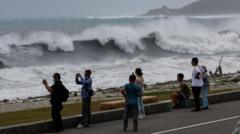
Typhoon Bavi Threatens East Asian Region
Typhoon Bavi continues its powerful trajectory across the Asia-Pacific, with weather authorities issuing urgent alerts for Taiwan and southeastern China. The massive storm system, spanning approximately 1,000 kilometers in width, represents one of the most formidable meteorological events anticipated in recent decades, prompting regional governments to activate emergency response protocols.
Catastrophic Impact in the Philippines
The Philippine archipelago has already experienced severe consequences from weather-related disasters, with landslide incidents claiming at least 15 lives across multiple provinces. Emergency response teams have been mobilized to affected communities, where infrastructure damage and accessibility challenges complicate rescue and recovery operations.
Forecast Severity and Geographic Scope
Meteorological agencies across the region characterize Typhoon Bavi as exceptionally dangerous, with projected wind speeds and precipitation levels consistent with the most destructive tropical cyclones documented in historical records. The storm's expansive structure and organized convective systems indicate sustained intensity as it progresses westward toward highly populated coastal areas.
Preparations Across Taiwan and China
Taiwan's Central Weather Administration has elevated alert levels, recommending evacuation from vulnerable zones and securing maritime activities. Southeastern China has similarly implemented precautionary measures, including temporary business closures and enhanced emergency service readiness. Local authorities are conducting final preparations for potential flooding, landslides, and infrastructure disruption in exposed regions.
Regional Response Mechanisms
Disaster management agencies throughout East Asia are coordinating resource allocation, establishing emergency shelters, and pre-positioning rescue equipment in anticipated high-impact zones. Communication systems have been fortified to maintain coordination between national and local authorities during critical storm phases.
Meteorological Analysis
Typhoon Bavi exhibits characteristics typical of Category 4-5 equivalent systems, with sustained wind velocities potentially exceeding 150 kilometers per hour and localized gusts surpassing 200 kilometers per hour. Precipitation forecasts indicate cumulative rainfall measurements that could trigger secondary hazards including flash flooding and terrain destabilization in mountainous regions.
Historical Context
Comparative analysis places Typhoon Bavi among the most severe tropical cyclones experienced across this geographic region within the past several decades. Such events historically necessitate prolonged recovery periods and substantial economic impacts affecting multiple sectors including agriculture, transportation, and residential infrastructure.


