
Electric Aviation Powers Future Transportation Solutions
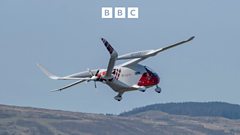
Electric Aviation: The Next Frontier in Sustainable Transportation
Electric aviation represents one of the most promising cleaner alternatives to traditional aviation fuel, transforming how the aerospace industry approaches environmental responsibility and operational efficiency. As global demand for sustainable transportation solutions intensifies, electric power systems are emerging as a transformative technology that could reshape commercial and private flight operations worldwide.
The Rise of Clean Aviation Solutions
The transition from conventional fuel-based propulsion to electric aviation addresses critical environmental concerns while simultaneously offering operational advantages. Airlines and manufacturers increasingly recognize that electric power systems provide viable pathways toward reducing carbon emissions and minimizing environmental impact across the entire aviation sector.
Advantages of Electric Power in Aircraft
Environmental Benefits
Electric aviation produces zero direct emissions during flight operations, significantly reducing the carbon footprint compared to traditional aviation fuel. This cleaner alternative contributes substantially to global climate goals and supports regulatory compliance in jurisdictions implementing strict emissions standards.
Operational Efficiency
Aircraft powered by electric systems demonstrate improved energy conversion rates and reduced mechanical complexity. Electric motors require less maintenance than traditional combustion engines, potentially lowering operational costs for airlines implementing these technologies in their fleets.
Performance Characteristics
Electric power systems deliver instant torque and consistent performance across various flight conditions. This responsiveness enhances aircraft handling characteristics and enables more precise control during critical flight phases, particularly during takeoff and landing procedures.
Current Developments in Electric Aviation Technology
Leading aerospace manufacturers and startups are actively developing next-generation electric aircraft designed for regional routes and short-haul operations. Battery technology advancements continue to increase energy density and flight range, gradually expanding the practical applications of electric aviation beyond experimental prototypes toward commercially viable aircraft.
Regional electric aircraft capable of carrying 19 to 30 passengers are currently in advanced development stages, targeting deployment within the next five to ten years. These aircraft will serve communities with smaller airports, improving connectivity while reducing noise pollution and atmospheric emissions in populated areas.
Battery Technology: The Critical Component
Lightweight, high-capacity battery systems form the foundation of viable electric aviation solutions. Ongoing research focuses on developing battery chemistry that achieves higher energy density while maintaining safety standards required for commercial aviation certification. Progress in solid-state and lithium-polymer battery technology directly influences the practical viability of electric power systems in aircraft.
Challenges Facing Electric Aviation Adoption
Despite significant progress, several obstacles remain before electric aviation becomes mainstream. Battery weight limitations restrict flight duration and payload capacity on current-generation systems. Infrastructure development, including specialized charging facilities at airports globally, requires substantial investment and coordination among aviation authorities and stakeholders.
Regulatory frameworks must evolve to accommodate new aircraft designs and propulsion technologies. Aviation safety standards, developed over decades for conventional aircraft, require comprehensive revision to address unique characteristics of electric power systems.
Future Prospects for Electric-Powered Flight
Industry experts anticipate that electric aviation will initially focus on regional and short-haul routes before gradually expanding to longer distances as battery technology matures. Hybrid-electric systems, combining traditional engines with electric motors, may serve as a transitional solution during this evolution.
Government support through funding initiatives and favorable regulations accelerates development timelines for electric aviation projects. Environmental mandates in Europe, North America, and Asia create market drivers encouraging investment in clean aviation technologies and sustainable transportation alternatives.
Conclusion
Electric aviation stands as a cleaner alternative to traditional aviation fuel, offering tangible environmental benefits alongside operational improvements. As battery technology advances and regulatory frameworks evolve, electric power systems will increasingly define the future of sustainable aviation, transforming commercial flight operations and supporting global climate objectives.


