EU Criticized Over Taliban Delegation Meeting in Brussels
International Outcry Over Planned Taliban Meeting
A Taliban delegation meeting in Brussels has sparked significant backlash from human rights advocates and European Parliament members. The gathering between European Union officials and the Taliban delegation represents a controversial diplomatic initiative that has drawn sharp criticism from those concerned about legitimizing a regime with a troubling record on fundamental freedoms and accountability.
Concerns Over Women's Rights and Education
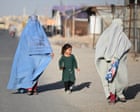
Rights organizations have raised alarm that hosting the Taliban delegation could inadvertently normalize policies that fundamentally restrict women's participation in society. The regime has implemented stringent limitations on girls' education, prohibiting female students from attending school beyond the sixth grade. This systematic exclusion has effectively removed an entire generation of Afghan girls from access to secondary and higher education opportunities.
Beyond educational restrictions, women have been systematically marginalized from public life under Taliban governance. Employment opportunities have been severely curtailed, with many women barred from working in various sectors. Public roles that women previously held have been eliminated or reassigned, reflecting the regime's ideological approach to gender segregation in society.
Serious Allegations Against Taliban Leadership
Among the most troubling aspects of this diplomatic engagement is the presence within the Taliban delegation of individuals with grave allegations against them. Two senior leaders of the delegation have been accused of crimes against humanity. These serious accusations raise profound ethical questions about the appropriateness of hosting such officials without addressing accountability for past violations.
The decision to grant the Taliban delegation access to Brussels through official channels represents a diplomatic step that many view as premature and potentially harmful to international efforts to promote human rights standards globally.
Official Confirmation and Visa Arrangements
The Afghan foreign ministry confirmed that the Taliban delegation had traveled to Brussels following the issuance of five single-day visas by the Belgian foreign ministry. This administrative decision facilitated the visit and allowed the discussions to proceed, though it remains controversial among civil society organizations and elected officials.
The provision of official visas signals a level of diplomatic recognition that has proven contentious, particularly among those who view such engagement as rewarding a regime that has demonstrated little commitment to internationally recognized human rights standards.
MEP and Campaigner Opposition
Members of the European Parliament have joined human rights campaigners in voicing strong opposition to the Taliban delegation meeting. Their concerns center on the broader implications of such diplomatic engagement for EU values and commitments to human rights advocacy. Critics argue that holding such meetings without preconditions or clear frameworks for addressing human rights concerns sends a problematic message about international standards.
The debate surrounding this engagement reflects broader tensions within international diplomacy regarding how to balance pragmatic diplomatic relations with principled stands on human rights protection. Human rights advocates contend that meeting the Taliban delegation risks conferring legitimacy on a government whose policies systematically violate the rights of its citizens, particularly women and girls.
Implications for International Diplomacy
The controversy surrounding the Taliban delegation's Brussels visit highlights the complex challenges facing the European Union in its foreign policy approach. While some may argue that diplomatic engagement is necessary for addressing regional issues, others maintain that such meetings should only occur within frameworks that explicitly address human rights concerns and demand accountability from regimes with documented violations.
The situation underscores ongoing debates about how international institutions should navigate relationships with governments that hold power through authoritarian means while simultaneously working toward stability and security in strategically important regions.