EU Deal Possible, Burnham Says Reset Aligns with Brexit Vision
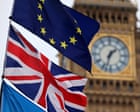
Burnham Envisions Mutually Beneficial EU Agreement
During discussions at the European Political Community summit in Dublin, Prime Minister Andy Burnham expressed optimism regarding the possibility of achieving a win-win EU deal that could reshape Britain's relationship with the European Union. Burnham's remarks suggest that such an agreement could represent a more authentic interpretation of the outcome that referendum voters anticipated when they cast their ballots in the 2016 Brexit vote.
The prime minister's comments regarding this potential EU deal come at a significant moment in UK-EU relations, as diplomatic efforts intensify to recalibrate the nation's position within the broader European framework. Burnham's perspective offers a measured approach to negotiations, emphasizing the mutual benefits that could emerge from successful agreement between the two parties.
Summit Sets Stage for Anticipated EU-UK Negotiations
The European Political Community gathering in the Irish capital provided the backdrop for Burnham's cautiously optimistic statements about EU cooperation. This summit precedes a highly anticipated EU-UK summit scheduled for the following week, during which British leadership intends to pursue closer alignment between Britain and European institutions.
Burnham's participation in these multilateral discussions demonstrates the government's commitment to engaging constructively with European counterparts at this crucial juncture. The prime minister's presence among fellow European leaders underscores Britain's continued interest in meaningful dialogue with the continental bloc, despite the complexities arising from previous Brexit negotiations.
Redefining the Brexit Narrative
One of the most striking elements of Burnham's position involves his assertion that a new EU deal could more closely resemble the outcome that many Brexit supporters believed they were voting for in 2016. This framing suggests a potential reconciliation between the original referendum mandate and current governance approaches, addressing long-standing concerns about whether the initial Brexit implementation matched public expectations.
The prime minister's characterization of this potential arrangement as "more like the Brexit that people thought they were voting for" indicates a strategic effort to bridge divisions that have persisted since the referendum. By positioning negotiations in these terms, Burnham seeks to present the forthcoming EU-UK summit as an opportunity to deliver outcomes more closely aligned with the democratic will expressed six years earlier.
Strategic Objectives for the Upcoming Summit
As the EU-UK summit approaches, Burnham's statements reveal several key priorities. The British government aims to establish a framework that allows greater integration with European structures while maintaining the independence that Brexit was intended to secure. This balancing act requires careful diplomacy and willingness to find common ground on both sides of the negotiation table.
The prime minister's optimistic tone suggests confidence in the possibility of reaching agreements that address concerns from both the British government and European Union leadership. Whether such optimism proves justified will depend on the substantive discussions that unfold during the week ahead, when senior officials from both sides convene to pursue concrete arrangements.
Broader Context of UK-European Relations
Burnham's remarks arrive during a period of reassessment regarding Britain's place within the European sphere of influence. While the UK formally departed the European Union structures, numerous outstanding matters require resolution, including trade arrangements, regulatory alignment, and the scope of future cooperation on security and other matters of mutual interest.
The European Political Community summit itself reflects broader trends toward maintaining dialogue and cooperation among European nations, regardless of formal EU membership status. Burnham's participation and his articulated vision for UK-EU relations place Britain within this larger conversation about Europe's future direction and the mechanisms through which neighboring nations can work together effectively.
Path Forward and Diplomatic Expectations
The coming EU-UK summit represents a critical opportunity for both sides to articulate their visions for future relations and identify areas where compromise and mutual benefit are achievable. Burnham's preliminary comments suggest that the British delegation intends to approach these negotiations from a position emphasizing shared interests and practical problem-solving rather than confrontational posturing.
If successful, negotiations could yield arrangements that satisfy core objectives from the 2016 referendum while enabling practical cooperation on issues where joint action serves both parties. The apparent willingness expressed by Britain's leadership to pursue such a comprehensive reset offers a potential pathway toward stabilizing UK-European relations following years of uncertainty and negotiation turbulence.