
Firefighting Operations Continue Through Night as Vehicles Left Behind
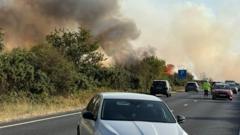
Overnight Firefighting Efforts Against Spreading Forest Blaze
Forest firefighting operations are set to continue through the night as emergency crews intensify their battle against an advancing wildfire. The situation has become increasingly critical as forest firefighting overnight efforts require round-the-clock dedication from trained personnel. Residents have been forced to abandon their vehicles in panic as flames spread rapidly through residential areas and surrounding woodland zones.
Residents Recount Harrowing Evacuation Experiences
One female resident has described the terrifying moments when she feared her family's automobile would be engulfed by the rapidly advancing flames on Sunday. The incident left many residents with limited time to secure their belongings and evacuate safely. Her account highlights the dangerous conditions that have forced countless families to flee their homes with only minutes to spare.
The evacuation process has been chaotic, with vehicles abandoned along roadways as residents prioritized their personal safety. Emergency services have been overwhelmed with calls for assistance as the fire continues its destructive path through the region.
Scale of Evacuation and Property Concerns
The sheer number of abandoned automobiles across evacuation zones reflects the urgent nature of the situation. Many vehicle owners remain uncertain about the fate of their cars, with some properties already damaged by the encroaching flames. The forest firefighting overnight campaign represents a crucial turning point in containing the disaster.
Emergency Response and Resource Deployment
Firefighting teams have been deployed strategically throughout affected areas to combat the blaze from multiple fronts. The forest firefighting overnight strategy involves rotating crews to maintain continuous suppression efforts as wind conditions and terrain present significant challenges. Aerial resources, including helicopters and water-dropping aircraft, have been mobilized to assist ground crews.
Coordination between local, state, and federal agencies has been critical in managing the crisis. Emergency management officials have activated mutual aid agreements with neighboring jurisdictions to secure additional personnel and equipment.
Safety Measures and Evacuation Protocols
Authorities have implemented strict evacuation orders affecting multiple neighborhoods and surrounding areas. Residents in high-risk zones have been directed to leave immediately, with designated evacuation routes established to minimize traffic congestion. Emergency shelters have opened to accommodate displaced families and provide essential services.
The forest firefighting overnight operations include perimeter patrols to prevent re-ignition and monitor for spot fires that may develop ahead of the main fire front. Firefighters maintain constant vigilance as changing weather patterns could either aid suppression efforts or accelerate fire spread.
Community Impact and Recovery Concerns
The community faces significant challenges as the forest firefighting overnight battle continues. Businesses have closed, schools remain shuttered, and air quality has deteriorated substantially due to heavy smoke. Residents anxiously await updates on containment progress and when evacuation orders might be lifted.
Insurance adjusters and disaster recovery specialists are preparing to assess damage once the immediate threat diminishes. The long-term economic impact on the region could be substantial, affecting property values, tourism, and local commerce for months to come.
Looking Ahead: Ongoing Firefighting Operations
The forest firefighting overnight schedule reflects the intensity and complexity of modern wildfire suppression. Incident commanders have established unified command structures to streamline decision-making and resource allocation. Regular briefings keep the public informed of progress and anticipated challenges.
Meteorologists continue monitoring weather forecasts, as atmospheric conditions will significantly influence firefighting effectiveness. Humidity levels, wind speed, and temperature fluctuations all factor into strategic planning for the coming days.


