
Food Tracking Apps: Do They Really Improve Your Health?
Understanding the Role of Food Tracking Apps in Modern Nutrition
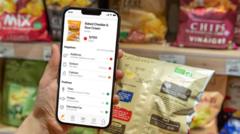
The rise of food tracking apps has transformed how millions of people approach their daily dietary choices. These digital tools have become increasingly prevalent, with consumers relying on them to monitor everything from calorie intake to nutritional content. But the fundamental question remains: do food tracking apps actually deliver on their promise to help users achieve better health outcomes? This comprehensive examination explores the effectiveness of these applications and their genuine impact on long-term dietary success.
The Growing Popularity of Dietary Monitoring Technology
Food tracking apps have experienced exponential growth over the past decade, attracting both fitness enthusiasts and individuals seeking general health improvements. These applications allow users to log meals, calculate macronutrient distributions, and receive personalized dietary recommendations. The convenience factor—accessible from smartphones and synced with wearable devices—has made nutritional oversight more straightforward than ever before. Yet popularity doesn't necessarily equate to effectiveness.
Why People Choose Food Tracking Solutions
Users adopt food tracking apps for various motivations. Some aim for weight management, others pursue specific performance goals in athletics, and many simply want greater awareness of their eating patterns. The immediate feedback these applications provide creates a sense of accountability that traditional dietary approaches cannot match. However, this initial enthusiasm doesn't always translate into sustained behavioral change or measurable health improvements.
Evidence on Health Benefits and Effectiveness
Scientific research presents a nuanced picture regarding food tracking apps and their health benefits. While some studies demonstrate short-term weight loss and improved awareness of portion sizes, the long-term sustainability remains questionable. Users frequently report discontinuing app usage after several months, suggesting that the novelty factor fades without deeper lifestyle transformation.
Short-Term Outcomes vs. Long-Term Success
The initial weeks of food tracking often produce promising results. Users become more conscious of their choices, eliminate mindless eating, and make deliberate decisions about portion sizes. However, maintaining this vigilance indefinitely proves challenging. Many individuals experience tracking fatigue, where the constant monitoring becomes burdensome rather than beneficial. This phenomenon highlights an important limitation: technology alone cannot sustain behavioral change without accompanying psychological and motivational factors.
Potential Drawbacks and Mental Health Considerations
Beyond the sustainability question, food tracking apps present concerns that warrant serious consideration. Some users develop obsessive relationships with nutritional data, leading to anxiety around eating decisions. This condition, sometimes termed orthorexia, represents an unhealthy fixation on dietary perfection. For individuals with histories of eating disorders, food tracking apps can actually trigger or exacerbate harmful behaviors rather than promoting wellness.
The Accuracy Question
Food tracking apps depend heavily on user input accuracy. Estimating portion sizes, identifying ingredients in homemade meals, and logging snacks consistently requires precision that many users struggle to maintain. Database inaccuracies also plague these applications, with inconsistent nutritional information for similar foods. This unreliability undermines the scientific foundation upon which these tools claim to operate.
Finding Balance: Optimal Approaches to Dietary Improvement
Rather than dismissing food tracking apps entirely, health professionals recommend a balanced approach. These tools work best as temporary educational instruments rather than permanent lifestyle fixtures. Using food tracking apps for defined periods—perhaps two to four weeks—can illuminate eating patterns and establish healthier habits. Following this educational phase, users may transition to intuitive eating practices informed by their newfound awareness.
Complementary Strategies for Sustainable Change
Food tracking apps achieve maximum effectiveness when combined with other health interventions. Working with registered dietitians, establishing realistic nutritional goals, managing stress levels, and prioritizing adequate sleep create a comprehensive wellness foundation. These factors collectively support successful dietary transformation more effectively than any single app or technology.
The Expert Consensus
Nutrition specialists generally agree that food tracking apps serve a specific purpose within broader health programs. They're particularly valuable for individuals with medical conditions requiring strict dietary control, such as diabetes or hypertension. However, for general population health improvement, these apps function most effectively as temporary awareness tools rather than permanent solutions.
The question isn't whether food tracking apps possess value—they demonstrably do in specific contexts. Instead, the critical issue involves understanding their limitations and integrating them strategically within personalized health plans. Success ultimately depends on individual commitment to lifestyle change, professional guidance, and realistic expectations about what technology can accomplish.


