
Ford Brings Back Engineers as AI Quality Checks Fall Short
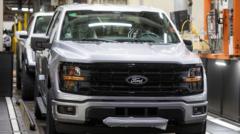
Ford Rehires Engineers After AI Quality Control Setback
Major automotive manufacturer Ford has made the strategic decision to bring back human engineers to its quality control operations, marking a significant shift in the company's approach to AI quality checks. The decision comes after the company discovered that its artificial intelligence systems could not adequately replicate the precision and expertise that experienced technicians bring to vehicle inspection processes.
The automotive industry has increasingly turned toward automation and artificial intelligence to streamline manufacturing operations and reduce costs. However, Ford's recent experience demonstrates that certain critical functions still require the human touch and judgment that comes with years of professional experience.
Why AI Quality Checks Fell Short
Ford's AI quality checks were implemented with the expectation that machine learning algorithms could identify defects and quality issues with greater speed and consistency than human workers. The technology promised to revolutionize how the company conducts vehicle inspections, potentially reducing labor costs while maintaining or improving quality standards.
However, the implementation revealed several critical limitations. The AI systems struggled with edge cases and nuanced quality problems that veteran technicians could identify instinctively. Issues that required subjective judgment or contextual understanding of vehicle design specifications often escaped the AI detection systems. These gaps in performance meant that vehicles potentially leaving the factory with undetected quality problems, creating significant liability and reputation risks for the company.
The Complexity of Automotive Quality Control
Vehicle manufacturing involves thousands of components, complex assembly processes, and stringent safety requirements. Quality control in this environment demands not just pattern recognition, but also understanding of automotive engineering principles, safety regulations, and acceptable tolerances. Experienced quality control engineers have developed an intuitive sense for what constitutes acceptable quality based on decades of industry knowledge.
Ford recognized that replacing this expertise entirely with AI systems was premature. The seasoned technicians brought problem-solving abilities and critical thinking that current artificial intelligence technology cannot fully replicate.
The Value of Human Expertise in Manufacturing
The decision to rehire engineers highlights the enduring value of human expertise in complex manufacturing environments. While technology continues to advance rapidly, certain roles require the combination of technical knowledge, experience-based intuition, and adaptive problem-solving that human professionals provide.
These veteran engineers can quickly adapt to new vehicle models, understand the implications of design changes, and make judgment calls about whether minor variations in components fall within acceptable parameters. They can also communicate effectively with engineers and designers about potential quality improvements.
Human-AI Collaboration Going Forward
Rather than viewing this as a complete rejection of automation, industry experts suggest that the optimal approach involves combining AI capabilities with human oversight. AI systems excel at processing vast amounts of data quickly and identifying statistical patterns, while humans excel at contextual analysis and complex judgment.
Ford's experience suggests that the most effective quality control strategy may involve AI systems handling routine inspections and preliminary assessments, while human engineers focus on complex cases, final verification, and continuous improvement initiatives.
Broader Implications for Manufacturing Automation
Ford's decision carries implications for the broader manufacturing sector, particularly as companies evaluate their automation strategies. The experience demonstrates that implementing cutting-edge technology must be balanced against practical operational realities and the actual capabilities of current systems.
Other automotive manufacturers and companies in capital-intensive industries may reconsider their approach to replacing human workers with AI systems. The lesson is that technological advancement and cost reduction should not come at the expense of product quality and customer satisfaction.
As Ford moves forward, the company is presumably exploring how to better integrate its AI quality checks with human expertise, creating a hybrid approach that leverages the strengths of both technological systems and experienced professionals. This balanced strategy may prove more sustainable and effective than attempting full automation of quality control functions.


