
France Prohibits Alcohol Sales at Music Festivals During Red Heat Wave Alert
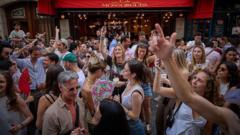
France Implements Strict Alcohol Ban at Music Festivals Amid Extreme Heat Crisis
France bans alcohol at music festivals as part of comprehensive emergency measures implemented during a red heatwave alert affecting the nation. This unprecedented restriction applies to annual street celebrations and musical events that typically draw millions of attendees throughout the country. The decision reflects authorities' commitment to protecting public health infrastructure during temperatures exceeding 40 degrees Celsius, equivalent to 104 degrees Fahrenheit.
Understanding the Public Health Crisis
Healthcare services across France face unprecedented strain as extreme heat conditions persist throughout the summer season. The national government determined that France bans alcohol music festivals to reduce pressure on emergency medical facilities and hospitals already operating at maximum capacity. Medical professionals warned that alcohol consumption during extreme heat significantly increases risks of dehydration, heat exhaustion, and heat stroke among festival attendees.
The ban represents a dramatic intervention in French cultural traditions, where street parties and music festivals constitute essential social and entertainment components of summer celebrations. By restricting alcohol availability at these venues, authorities aim to preserve healthcare resources for individuals experiencing genuine medical emergencies related to extreme temperature conditions.
Scale of the Restriction Across the Nation
Annual celebrations that ordinarily welcome millions of participants now operate under substantially modified conditions. Festival organizers received explicit instructions from regional authorities regarding alcohol prohibition policies that apply uniformly across red alert zones. The restrictions encompass outdoor music events, street parties, and cultural celebrations scheduled during the heatwave emergency period.
This comprehensive approach demonstrates how France bans alcohol music festivals to create controlled environments that minimize health risks. Organizers implemented alternative beverage options, including water distribution stations, electrolyte drinks, and non-alcoholic refreshments designed to maintain attendee hydration and well-being throughout extended events.
Impact on Festival Operations and Attendees
Music festival administrators adapted rapidly to accommodate the emergency regulations, restructuring concession agreements and vendor contracts to eliminate alcohol sales. Security personnel received additional training regarding the enforcement of beverage restrictions and identification of attendees attempting to bring unauthorized alcoholic drinks into festival grounds.
Venue operators implemented enhanced monitoring systems at entry points to ensure compliance with provincial directives. The alcohol prohibition created operational challenges for establishments relying on beverage sales as primary revenue sources, necessitating rapid adjustments to business models and staffing arrangements.
Healthcare System Protection Strategy
French health authorities emphasized that preserving healthcare services forms the central objective of heat emergency protocols. Hospital emergency departments anticipated increased patient volumes related to heat-related illnesses, including heat stroke, severe dehydration, and cardiovascular complications. The decision to restrict alcohol at public gatherings directly supports medical facility capacity management during peak demand periods.
Medical studies demonstrate that alcohol impairs the body's thermoregulation mechanisms, reducing natural cooling processes and accelerating dehydration. By restricting availability at mass gatherings, authorities significantly decrease the probability of heat-related medical emergencies requiring emergency room intervention during periods when healthcare systems already operate at critical capacity levels.
Red Alert Status and Temperature Extremes
The red heatwave alert classification indicates the most severe weather conditions recognized by French meteorological authorities. Temperatures reaching 40 degrees Celsius create dangerous conditions for outdoor activity, particularly during extended events requiring prolonged physical presence in direct sunlight. Attendees faced heightened risks of heat-related illness without proper hydration and preventive health measures.
Emergency protocols activate automatically when temperature forecasts exceed established thresholds, triggering coordinated responses across governmental, healthcare, and public safety agencies. The comprehensive nature of these measures illustrates governmental commitment to population protection during climatic emergencies.
Compliance and Enforcement Mechanisms
Local authorities deployed additional personnel to monitor compliance with alcohol restrictions at festival venues throughout affected regions. Violations resulted in substantial fines for vendors and event organizers failing to implement prohibition directives. Educational campaigns informed the public about the health rationale underlying these temporary restrictions.
Cooperation between festival organizers and municipal governments ensured consistent application of regulations across diverse venue types and geographical locations. This collaborative approach balanced emergency health protection objectives with operational feasibility for event management organizations.
Duration and Future Implications
The alcohol prohibition remains in effect throughout the duration of the red alert status, potentially extending into subsequent weeks if extreme temperatures persist. Meteorological forecasts will determine when restrictions lift and normal festival operations resume. Public health officials indicated that similar measures may become necessary in future summer seasons if climate patterns continue producing extreme heat events.
This emergency response establishes potential precedent for future heatwave management strategies, suggesting that temporary restrictions on alcohol availability at mass gatherings may become standard emergency protocol in France. The decision prioritizes population health and healthcare system functionality over traditional recreational practices during critical weather situations.


