
Fraudulent Marketing of Antiparasitic Drugs as Cancer Cures Exposed
Dangerous Deception: Antiparasitic Drugs Marketed as Cancer Solutions
A comprehensive BBC investigation has uncovered a troubling scheme where dewormer and scabies medications are being fraudulently promoted as legitimate cancer treatment options to unsuspecting and vulnerable patients. This cancer treatment scam exploits individuals facing terminal diagnoses, offering false hope through medications never approved for oncological use.
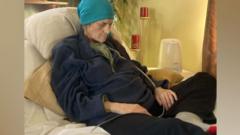
The investigation documents how unscrupulous vendors are approaching seriously ill individuals with misleading claims about these antiparasitic compounds. One documented case involved a terminally-ill patient who was approached by a stair lift salesman making extraordinary assertions that the products could effectively shrink tumours and provide miraculous healing.
How the Antiparasitic Drugs Fraud Operates
The scheme targets desperate cancer patients and their families during their most vulnerable moments. Perpetrators capitalize on the fear and desperation that accompanies terminal diagnoses, presenting dewormer and scabies treatments as revolutionary cancer solutions. These medications, approved only for parasitic and skin conditions, are being repackaged and remarketed with fabricated scientific claims.
The fraudulent marketing tactics employ manipulative language suggesting these drugs possess undiscovered anti-cancer properties. Sellers claim the medications can shrink tumours, halt cancer progression, and provide cures that conventional oncology has supposedly failed to deliver. This dangerous misinformation contradicts established medical science and puts lives at serious risk.
Impact on Vulnerable Cancer Patients
The investigation reveals how this medical fraud investigation uncovers predatory practices targeting the most defenseless segment of the population. Terminally ill patients, often exhausted from conventional treatments and desperate for alternatives, become prime targets for these deceptive schemes. Families struggling with the emotional and financial burden of cancer care are manipulated into purchasing expensive, useless medications.
By diverting resources toward fake cancer cures, patients delay or abandon proven medical interventions. This postponement of legitimate treatment can accelerate health deterioration. The psychological impact of being deceived during such critical life circumstances compounds the suffering these individuals already endure.
The Role of Unqualified Sellers
The BBC investigation identifies that these fraudulent schemes involve individuals with no medical credentials or pharmaceutical expertise. A stair lift salesman making cancer treatment recommendations exemplifies the complete absence of professional qualification in this operation. These vendors prioritize profit over patient welfare, employing high-pressure sales tactics against emotionally vulnerable audiences.
This pattern demonstrates organized exploitation of medical ignorance and human desperation. Perpetrators lack any legitimate authorization to distribute medications or provide medical advice. Their involvement in such schemes represents a flagrant violation of healthcare regulations and consumer protection laws.
Medical Authorities' Concerns
Healthcare professionals express serious concern about this antiparasitic drugs fraud and its implications for patient safety. Dewormer medications contain ingredients never tested or proven effective against cancer. Scabies treatments similarly lack any anti-cancer properties or mechanisms. Promoting these substances as cancer solutions directly contradicts medical evidence and established oncological practice.
Medical bodies emphasize that authorized cancer treatments undergo rigorous testing, peer review, and regulatory approval. These antiparasitic compounds bypass all such safeguards. Patients who rely on these fake cancer cures instead of conventional therapy experience worse health outcomes and reduced survival rates.
Legal and Regulatory Response
This medical fraud investigation initiated by the BBC has prompted regulatory authorities to examine enforcement mechanisms and consumer protection frameworks. The distribution of unapproved medications with false therapeutic claims violates pharmaceutical regulations in most jurisdictions. Sellers engaged in this cancer treatment scam face potential criminal prosecution and civil liability.
Regulatory bodies are intensifying scrutiny of direct-to-patient marketing for medications and health products. The investigation provides evidence supporting stricter enforcement against fraudulent health claims. Authorities emphasize that only approved treatments administered by qualified healthcare providers should be considered legitimate cancer therapies.
Protecting Patients from Health Fraud
The BBC investigation serves as critical public awareness messaging about online and direct sales health scams. Patients and families should verify all cancer treatment recommendations through qualified oncologists and established medical institutions. Extraordinary claims about miracle cures should trigger skepticism and verification through legitimate medical channels.
Healthcare providers recommend consulting multiple qualified professionals before considering any unconventional treatments. Legitimate cancer research and approved therapies represent the most reliable path forward for terminally ill patients. Avoiding fraudulent schemes protects both health outcomes and financial resources during critical life periods.


