Free Speech Protection Could Impact Labour's Election Prospects
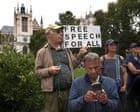
Voter Priorities on Free Speech Protection
Free speech protection has emerged as a significant electoral concern, with new polling data indicating that voters will carefully evaluate how political parties address this fundamental issue when deciding their votes at the next general election. The human rights organisation Liberty, working with polling firm More in Common, has revealed that the government's current stance on free speech protection is perceived negatively by substantial portions of the electorate.
According to the research, approximately three in five voters stated that a political party's position on free speech protection would directly influence their voting decisions. This substantial proportion underscores how deeply voters care about this democratic principle and how it factors into their electoral calculations. The data demonstrates that free speech protection is no longer a peripheral issue but rather a central concern shaping voter behaviour.
Labour's Free Speech Protection Challenges
Liberty's analysis of the polling results suggests that the Labour Party's handling of free speech protection matters could potentially alienate voters. The rights group contends that the government's current approach to free speech protection has created a perception among many citizens that existing policies work against Britain's interests and democratic traditions. This perception could translate into lost electoral support if the party fails to address voter anxieties about free speech protection.
The polling findings indicate a clear disconnect between public expectations and government action regarding free speech protection. Many voters feel that recent policy decisions have had adverse consequences for free speech protection in the country. This sentiment represents a significant political vulnerability for the current administration, particularly as the next general election approaches.
Understanding Voter Sentiment
The research demonstrates that voters across the political spectrum recognise free speech protection as a cornerstone of democratic governance. Beyond mere abstract principle, citizens are expressing concrete concerns that recent government initiatives and policy frameworks have undermined free speech protection. These concerns span various demographics and social groups, indicating broad-based anxiety about the direction of free speech protection policy.
Electoral strategists note that when voters identify a significant gap between their values and a government's policies, particularly on fundamental democratic principles like free speech protection, it creates opportunities for political opponents to capture support. The polling suggests that whichever party can credibly position itself as the strongest defender of free speech protection may gain considerable electoral advantage.
Implications for the Election Campaign
As election campaigns intensify, free speech protection will likely become a prominent topic in political debates and campaign messaging. Parties will need to articulate clear, compelling positions on how they intend to strengthen free speech protection and address voter concerns. The data suggests that generic or defensive postures on free speech protection will not satisfy voters who view this issue as paramount.
Liberty's warning to Labour reflects the organisation's assessment that current polling data represents a genuine electoral risk. If the party cannot convince voters that it will prioritise and effectively protect free speech protection, it risks losing support to parties perceived as stronger advocates for democratic freedoms. The timing of this research, conducted well before the election, provides an opportunity for political actors to recalibrate their approach to free speech protection.
Broader Democratic Implications
Beyond immediate electoral calculations, the polling results highlight fundamental questions about the state of democratic discourse and institutional trust in Britain. That three in five voters consider free speech protection important enough to influence their voting demonstrates public awareness of democracy's prerequisites. This civic consciousness, while potentially disruptive for incumbents, ultimately reflects a healthy democratic culture where citizens hold their representatives accountable on core principles like free speech protection.