
Fuel Theft Surges £200,000 Daily Across UK Forecourts Since Crisis
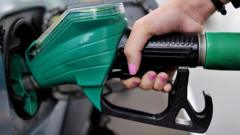
Significant Rise in Fuel Theft Across British Petrol Stations
Fuel theft UK forecourts has become an increasingly serious concern for retailers and industry stakeholders. Recent industry analysis reveals that approximately £200,000 worth of fuel is being stolen from service stations throughout the United Kingdom on a daily basis, with these losses mounting since regional tensions escalated in the Middle East. The alarming trend reflects a substantial 20% increase in fuel-related crime incidents over a five-month period, prompting widespread concerns about security measures and operational challenges across the sector.
Understanding the Scale of the Problem
The magnitude of fuel crime incidents cannot be understated when examining the financial implications for businesses operating forecourt facilities. Daily losses approaching £200,000 translate to significant revenue erosion across an already competitive retail landscape. Industry representatives have attributed this dramatic escalation partly to broader economic pressures and geopolitical uncertainties that may be influencing criminal activity patterns. Retailers are grappling with balancing accessibility for legitimate customers while implementing robust security protocols to prevent unauthorized fuel removal.
Timeline and Statistical Analysis
The five-month observation period during which these incidents escalated provides crucial context for understanding the trajectory of fuel crime. The 20% increase in reported cases demonstrates that the problem extends beyond isolated incidents at individual locations. This consistent uptick suggests systemic vulnerabilities within current security frameworks and monitoring systems at many UK petrol stations. Industry analysts emphasize that these figures likely represent only documented cases, with many instances potentially going unreported due to administrative burdens or damage assessment complexities.
Impact on Forecourt Operations
Fuel theft UK forecourts operations creates cascading operational challenges beyond immediate financial losses. Security personnel face heightened pressure to monitor transactions and prevent drive-offs, potentially affecting customer service quality and employee safety. The increased frequency of theft incidents necessitates enhanced CCTV infrastructure, better communication systems between staff members, and more sophisticated payment verification technologies. Many independent operators struggle to absorb these additional security costs while maintaining competitive pricing structures.
Regional Variations and Hotspot Areas
Fuel crime incidents are not distributed uniformly across the United Kingdom. Certain regions experience disproportionately higher theft rates, often corresponding to areas with lower socioeconomic indicators or greater traffic volumes. High-volume locations, particularly those near major highways or urban centers, report more frequent security breaches. The concentration of incidents in specific geographic areas suggests that targeted regional interventions could prove more effective than blanket national policies.
Security Measures and Technological Solutions
In response to escalating fuel theft, forecourt operators are implementing various security enhancements. Modern CCTV systems with facial recognition capabilities are being installed at numerous locations, enabling better documentation and potential prosecution of repeat offenders. Payment enforcement technologies, including immediate debit card verification and pump locking mechanisms, provide additional layers of protection. However, the transition to advanced security infrastructure requires substantial capital investment that smaller independent operators may struggle to afford.
Industry Response and Collaboration
Trade associations representing UK petrol stations have responded to the fuel crime crisis by advocating for policy changes and enhanced law enforcement support. Industry stakeholders are calling for improved coordination between retailers, police forces, and local authorities to address the problem systematically. Some forecourts have implemented community reporting programs that encourage customers to report suspicious activities, leveraging public awareness to strengthen security networks.
Economic and Consumer Implications
The substantial daily losses from fuel theft ultimately impact consumers through potential price adjustments and reduced service quality at affected locations. Retailers may gradually increase fuel prices to offset security costs and theft-related losses, creating an indirect cost burden on legitimate customers. The economic ripple effects extend to insurance companies, supply chain operators, and local economies dependent on healthy retail fuel operations.
Looking Forward: Prevention Strategies
Addressing the persistent fuel crime challenge requires multifaceted approaches combining technology, policy, and community engagement. Investment in predictive analytics could help identify high-risk locations and times requiring enhanced monitoring. Training programs for staff members on conflict de-escalation and proper incident documentation can improve response effectiveness. Legislative measures strengthening penalties for fuel theft might serve as deterrents, particularly when combined with consistent enforcement efforts by law enforcement agencies across regions.


